
Your brush is fuller than it used to be. Your shower drain tells the same story. Maybe it started after a baby, maybe after a terrible year at work. Or maybe it creeps up so slowly you can’t even pin precisely when.
You’re now in a supplement aisle. Or swiping past the fiftieth almost identical ad on your phone and trying to find out which bottle is the one that genuinely helps and which is a well-photographed vitamin gummy with a good marketing budget behind it.
Here’s the uncomfortable part. Most of what’s sold to you as a “hair growth supplements for women” product is built on a real kernel of science, wrapped in a lot of exaggeration. That doesn’t mean the whole category is useless. It means the gap between a supplement that helps and one that’s sixty wasted dollars a month comes down to one thing: does it actually address what’s causing your hair loss? Let’s get into it.
What’s Actually Causing Your Hair Loss?
You can’t pick the Hair Growth Supplements for Women without answering this first. Skipping it is how people end up with a cabinet full of half-used bottles.
Iron deficiency is one of the most common causes, and it’s honestly the most overlooked. Iron carries oxygen to your follicles. When it drops, follicles get pushed into a resting phase early. Women with heavy periods, restrictive diets, or anyone postpartum feel this one the hardest.
Hormones are the other big driver. Pregnancy. The months right after birth. Perimenopause. Menopause. All of it involves major swings in estrogen and androgens, and follicles are more sensitive to that than most people realize. Estrogen tends to protect hair growth — so when it drops relative to androgens, shedding tends to follow close behind.
Genetics matter too, more than many want to acknowledge. Female pattern hair loss affects nearly 50% of women by their late 40s. Doesn’t seem to be the nutrient insufficiency type. It’s not thinning out all over, but broadening out some at the part line.
And then there’s stress. Illness. Crash diets. Any of these can trigger something called telogen effluvium — a temporary shedding phase that typically kicks in two or three months after whatever triggered it, which is exactly why so many people can’t connect the dots at first. The stressful event is long over by the time the hair starts falling.
Quick practical filter: diffuse, even shedding over the entire scalp? Nutrient gap is a reasonable suspect. Thinning at the part or hairline only? Genetics or hormones are probably in charge. And that difference makes all the difference in what really works.
Which Nutrients Are Actually Backed by Evidence?
Not everything printed on Hair Growth Supplements for Women deserves to be there. Some of it is genuinely well-studied. Some of it is just there because it looks good on a label and tests well in focus groups.
Iron. Strong evidence, specifically for women. Correcting a real deficiency — under medical guidance, not guesswork — is one of the more reliable ways to see improvement. Takes a few months, though. Don’t expect overnight results.
Biotin. Gets more marketing attention than nearly anything else in this space, and not entirely without reason. One study found biotin deficiency in about 38 percent of women reporting hair loss. That’s meaningful. But flip that number around: it also means most women taking biotin supplements aren’t correcting an actual deficiency, because true biotin deficiency simply isn’t universal. If your levels are already fine, more biotin buys you expensive urine and not much else.
Vitamin D. Plays a role in activating the stem cells that kick off the growth phase. Low vitamin D shows up repeatedly in research tied to alopecia and slow regrowth. Spend most of your day indoors? Worth getting checked.
Zinc. Supports follicle repair. Zinc-related hair loss tends to reverse fairly reliably once levels come back up — one of the more satisfying deficiencies to fix, if that turns out to be your actual issue.
Collagen. Less rigorously studied specifically for hair. Still, it provides amino acids that support keratin structure, and it’s become nearly universal in newer women’s formulas.
Saw palmetto. Shows up in products targeting hormonal thinning, since it may block the conversion of testosterone into DHT — the hormone most tied to pattern hair loss. Evidence here is thinner than everything above. Most of what exists is smaller-scale, or funded by the companies selling the stuff. Treat bold claims about it with a raised eyebrow.
How Do the Big-Name Brands Actually Stack Up?
If you’ve spent even twenty minutes researching this, you’ve run into Nutrafol, Viviscal, and a wave of gummy brands like Sugarbear for Hair Growth Supplements for Women. Here’s the honest version, based on publicly disclosed formulas and pricing — not the copy on their own landing pages.
As two of the best-known hair growth supplements for women, Nutrafol leans hard into botanicals and adaptogens instead of a straightforward vitamin stack. Ashwagandha for stress-related cortisol. Saw palmetto. Curcumin. Marine collagen. Plus the standard biotin and zinc thrown in. Runs about $79 to $89 a month, and you’re taking four capsules a day, not two. The broader ingredient list makes sense if your thinning seems tied to stress or hormones specifically. It’s also, by a wide margin, the priciest option here.
Viviscal goes simpler. A proprietary marine protein complex called AminoMar, combined with more familiar names — biotin, vitamin C, iron, zinc. Been around longer. Costs less too, typically $40 to $50 a month. Reasonable if you want the classic vitamin-and-mineral route without the botanical add-ons. Most users report needing three to six months before anything noticeable happens.
Gummy brands like Sugarbear win on convenience for Hair Growth Supplements for Women – they’re easy to remember, they taste okay, and no one is frightened to swallow them. That ease sometimes comes at the price of dose strength, though, because formulas have to work around limitations of taste and texture. If you’re relying on a gummy to fix a documented shortfall, compare real milligram amounts to capsule competitors before assuming it’s doing equivalent work. It might not be.
To be clear, none of these brands for Hair Growth Supplements for Women have actually done a proper clinical trial against one another. So any comparison is truly about transparency of ingredients and dose, not proof one simply beats the rest.
Should You Take a Regular Multivitamin Instead or hair growth supplements for women?
For a lot of women? Yes — at least as a starting point.
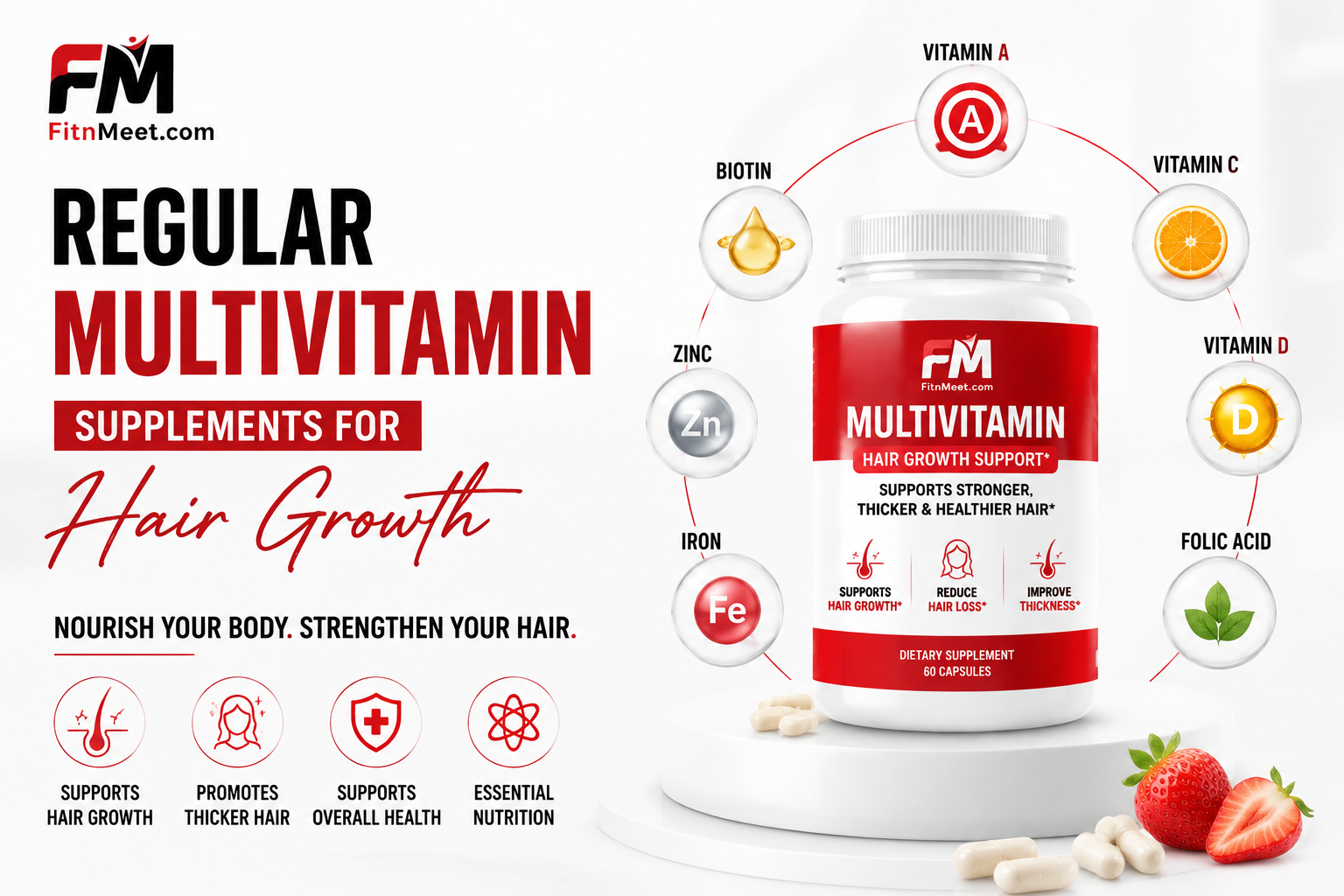
Dedicated hair growth supplements for women often repackage the same handful of nutrients — iron, biotin, zinc, vitamin D — at higher doses than a standard multivitamin. Sometimes well past what you’d actually need if you’re deficient in the first place. A solid women’s multivitamin covering those same bases can close the gap for a fraction of the price.
The premium for dedicated hair supplements is in the ingredients a typical multivitamin won’t have. Complexes of marine collagens. Saw palmetto. The question is, ultimately, is that extra cost worth it? Or do your hair loss symptoms appear to be connected to stress and hormones particularly, or do they seem to be a plain nutrient gap that a cheaper multivitamin might just as well do away with?
How Long Before You’d See Any Difference?
This is where people quit right before they’d actually seen results. It’s frustrating, I get it.
Hair grows in cycles. Each strand spends years in its active growth phase before it sheds and starts over. A supplement can’t speed up biology. It can only remove a deficiency that’s holding follicles back — and that process still takes time to become visible on your head.
Really? “Don’t expect to see anything for at least three months. Most brands take a full six months before you can even determine if it’s working at all. If it claims visible thickness in two to three weeks, watch out. A few patented medications for hair growth supplements for women have indicated earlier movement in limited tests. That’s an exception. Not the usual, not what you’d usually get from a typical formula.
What Should You Actually Look for in a Product?
Third-party testing matters more than most people realize. Supplements aren’t regulated the way medications are — a USP, NSF, or ConsumerLab seal is basically your only real check that what’s printed on the label matches what’s actually in the bottle.
Doses matched to research. Not just an ingredient list that mentions the appropriate ingredients. taking hair growth supplements for women can technically contain keratin or collagen and still pack in a fraction of what studies actually used to see results. Suppose you’re purchasing for a certain ingredient; check the milligram amount against clinically studied amounts. Don’t take the front of the bottle for granted.
The claims are reasonable. If they’re guaranteeing you amazing regrowth in a few weeks, be suspicious — that’s a flag, not a selling point. The FDA doesn’t assess structure-function claims for Hair Growth Supplements for Women in the same way it assesses claims for drugs, so “clinically shown” doesn’t always indicate there’s independent, rigorous research behind it. Before you trust that study, worth checking who funded it.
And whether it’s actually built for your situation — the best hair growth supplements for women are matched to the actual cause, not a generic label. A formula centered on iron and biotin won’t do much if your thinning is genetic or hormonal. If you’re not sure what’s driving it, figure that out first before you spend money on trial and error.
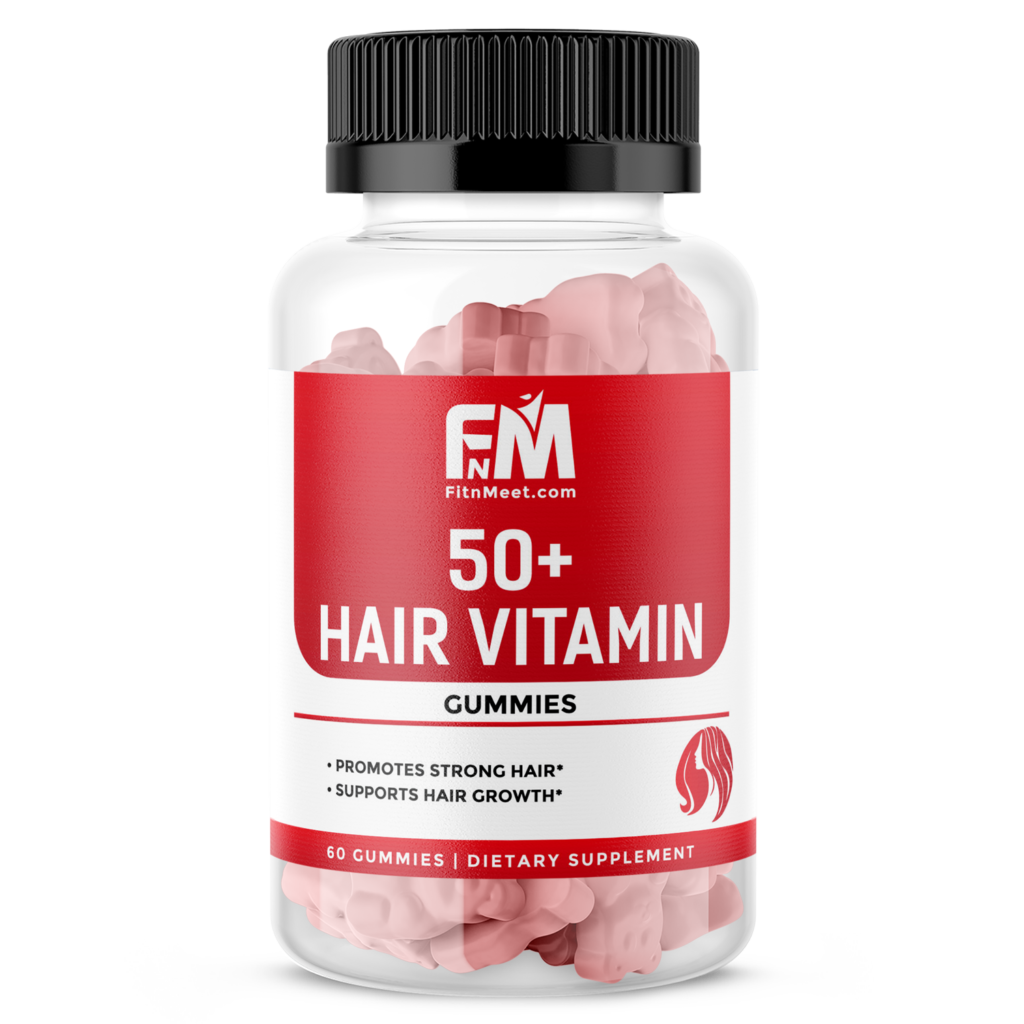
When Hair Growth Supplements for Women Just Aren’t the Answer
Taken something consistently for four to six months with zero change? That’s your cue to stop guessing.
A dermatologist can run actual bloodwork — confirm or rule out a real deficiency instead of you supplementing unthinkingly and hoping. If deficiency turns out not to be the issue, they can walk you through options like minoxidil or low-level laser therapy. Different mechanism entirely, and honestly, stronger clinical evidence behind them specifically for pattern hair loss.
One more thing worth knowing: taking taking hair growth supplements for women without a confirmed deficiency isn’t risk-free. Excess vitamin A and excess iron can genuinely contribute to hair loss (yes, the opposite of what you’re going for) and other health issues at high doses. More isn’t automatically better here. Megadosing something you don’t actually need can backfire, quietly, over time.
Do hair growth supplements for women actually work?
They can — mainly if a real nutrient deficiency is part of what’s driving the loss. If the root cause is genetic or hormonal instead, supplements alone probably won’t move the needle much.
How long does it take to see results of Hair Growth Supplements for Women?
Realistically, three months, minimum. Most brands suggest a full six months of continuous use, as hair grows slowly and no supplement can speed up the growth rate.
What vitamin deficiency is most linked to hair loss in women?
Iron, most commonly, especially in women with heavy periods or plant-based diets. Vitamin D, zinc, and B12 gaps show up a lot too.
Is biotin actually effective for hair growth?
If you’re genuinely deficient, yes, it can help. That happens in a meaningful share of women with hair loss. If your levels are already normal, though, don’t expect much from adding more.
Can I take a regular multivitamin instead of a dedicated Hair Growth Supplements for Women?
For many women, yes. A solid multivitamin covering iron, zinc, vitamin D, and B vitamins hits the same core deficiencies most hair supplements target — usually for a lot less money.
What’s the difference between vitamin-related thinning and pattern hair loss?
Vitamin-related shedding tends to be even, diffuse, all over the scalp. Female pattern hair loss shows up more specifically at the part line and widens gradually. If it looks like the second one, supplements alone likely won’t fix it.
Are there risks to taking hair growth supplements for women?
Yes taking hair growth supplements for women— particularly with megadosing. Too much vitamin A or too much iron can actually make hair loss worse, along with other health issues. Worth confirming an actual deficiency, ideally with a blood test, before going all in.
Is a more expensive supplement always better?
Not necessarily. The price frequently indicates how many ingredients have been jammed into the hair growth supplements for women not that it will give better benefits. A less expensive product with well-dosed, evidence-backed compounds can actually outperform a more expensive product that’s padded with unproven extras.
The Bottom Line
Hair growth supplements for women can genuinely help — when a real nutrient deficiency is actually part of the picture. Iron, vitamin D, zinc, biotin: all of these have legitimate evidence behind their role in hair health. What they can’t do is reverse hair loss caused by genetics or hormones the way targeted medical treatments can.
If you’ve been dealing with noticeable thinning, an actual evaluation — bloodwork included — will tell you more than guessing your way through whichever supplement has the flashiest marketing. Your hair is trying to tell you something. Might be worth actually listening, before you spend another sixty dollars finding out the hard way.