
Vegan probiotics are probiotic supplements made without any animal-derived ingredients — no dairy-based cultures, gelatin capsules, or lactose fillers. They deliver live beneficial bacteria (typically Lactobacillus and Bifidobacterium strains) in plant-based capsules, supporting digestive health, immune function, and nutrient absorption for people on plant-based diets.
Vegan Probiotics: Quick Answer
Most probiotics on store shelves are technically vegetarian but not vegan: they are grown on dairy-based media or packed in gelatin capsules. Vegan probiotics solve this with dairy-free fermentation and plant-based (pullulan or HPMC) capsules. Do they work as well? Yes — the bacteria don’t know or care what they were grown on. What matters is the strain (e.g., L. acidophilus NCFM), the dose (typically 10–50 billion CFU), and whether the product survives stomach acid to reach your gut alive. Everything else is marketing.
Common Myths vs Facts About Vegan Probiotics
Myth: “More CFUs always means a better probiotic”
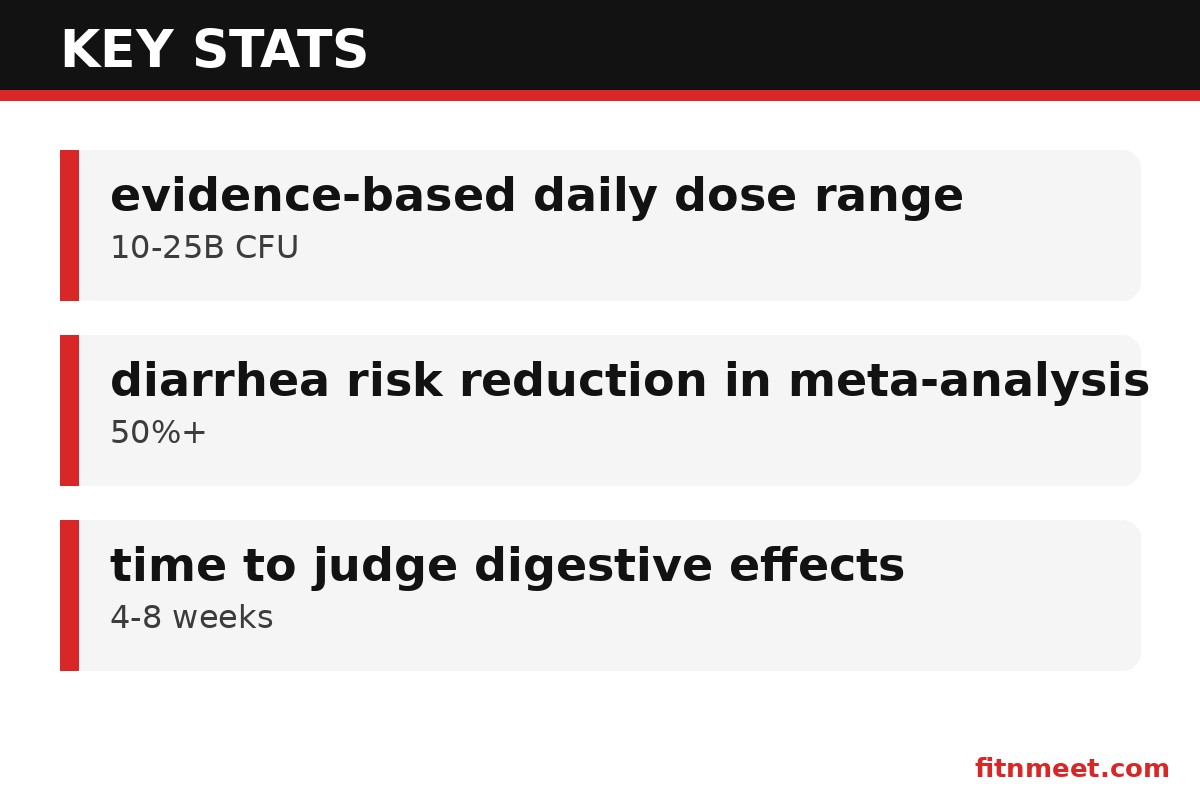
Fact: The myth-debunk stat line: products range from 1 billion to 100+ billion CFU, but clinical trials show benefits at specific doses for specific strains — often 10–20 billion CFU. A 100-billion-CFU product with unidentified strains is less evidence-based than a 10-billion-CFU product using strains tested in human trials. Strain specificity beats CFU count every time.
Myth: “Vegan probiotics don’t need refrigeration, so they must be dead”
Fact: Shelf-stable vegan probiotics use freeze-dried bacteria plus moisture-barrier packaging (desiccant, blister packs). Third-party testing of reputable shelf-stable products confirms viable counts through the expiration date. Refrigeration was historically needed; modern lyophilization changed that. Check for a “CFU at expiry” (not “at manufacture”) guarantee.
Myth: “You can get all the probiotics you need from vegan yogurt and kimchi”
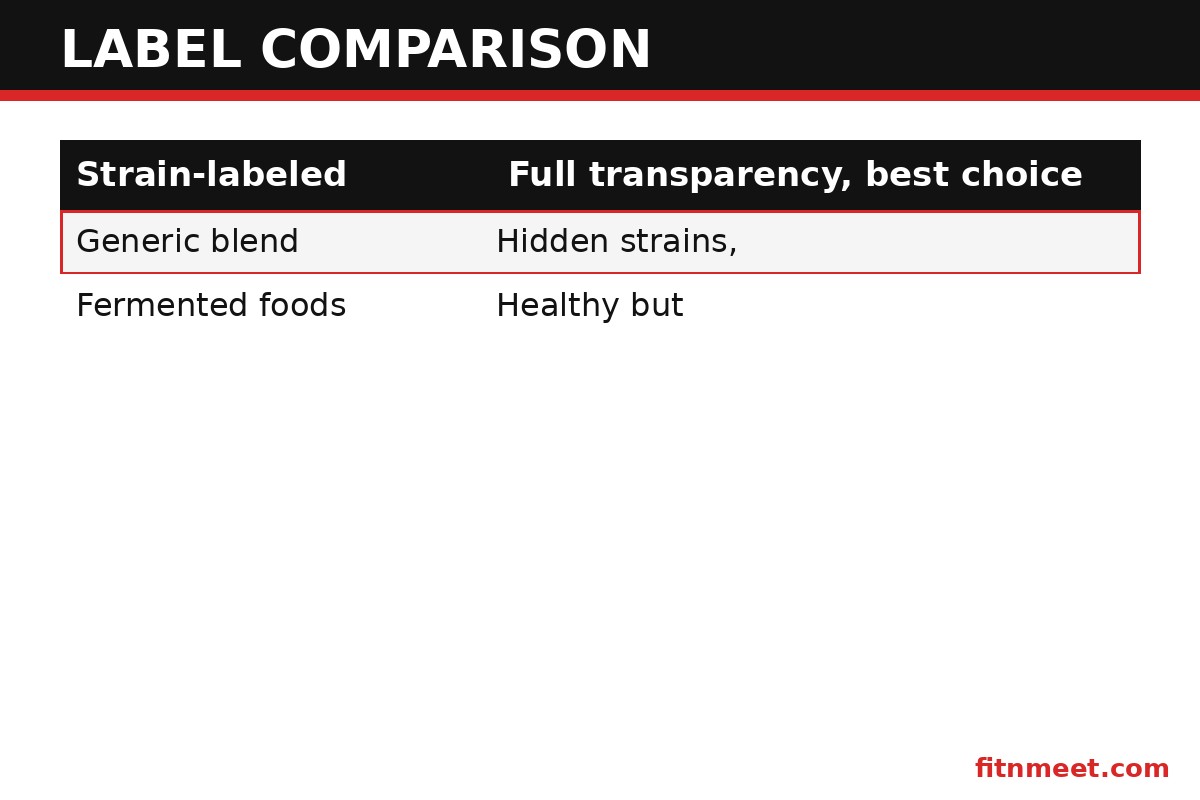
Fact: Fermented foods are healthy, but their bacterial content is wildly variable — a serving of kimchi might contain anywhere from negligible to billions of CFU, with unidentified strains. A 2019 review in Nutrients noted that fermented foods cannot reliably deliver the defined strains and doses used in clinical trials. Food first, but supplements have a precision role.
Myth: “Probiotics permanently colonize your gut”
Fact: The myth-debunk stat line: a landmark 2018 Cell study showed that most probiotic strains are transient — they pass through and exert effects while present, then clear within days to weeks of stopping. This is why consistent daily use matters, and why “repopulating your gut permanently” marketing is fiction. The benefits are real but require ongoing intake.
Myth: “All vegan probiotics are the same, so buy the cheapest”
Fact: Strain identity, CFU-at-expiry guarantees, third-party testing, and acid-survival technology differ enormously. A product listing only “probiotic blend” with no strain designations (like NCFM, HN001, Bl-04) is a black box. Pay for transparency, not CFU bragging.
What Are Vegan Probiotics?
Vegan probiotics are live-microorganism supplements formulated without animal products at every stage: dairy-free culture media, no lactose or whey fillers, and capsules made from pullulan (fermented tapioca) or HPMC (plant cellulose) instead of gelatin. The active ingredients are the same bacterial genera used in conventional probiotics — predominantly Lactobacillus (now reclassified in part as Lacticaseibacillus) and Bifidobacterium species.
Why does the vegan distinction matter beyond ethics? Two practical reasons. First, dairy-grown probiotics can contain trace milk proteins, which matters for people with milk allergies (not just lactose intolerance). Second, many athletes and lifters following plant-based diets — a growing segment — want their entire supplement stack aligned with their diet, from protein to vitamins. It close that gap.
The science of probiotics is strain-specific, which is the single most misunderstood fact in the category. Lactobacillus rhamnosus GG reducing antibiotic-associated diarrhea says nothing about what Bifidobacterium longum does for IBS — they are as different as a sedan and a tractor. When evaluating it, look past the genus to the full strain designation (genus + species + strain code, e.g., L. acidophilus NCFM). The NIH Office of Dietary Supplements probiotics fact sheet emphasizes this strain-specificity throughout. Background on the category: Wikipedia’s probiotic article.
Vegan Probiotics Benefits
Evidence for probiotic benefits comes from trials of specific strains — vegan or not, the data is the same. Here’s what the research supports, as a list:
- Antibiotic-associated diarrhea: the strongest evidence base. A 2012 Cochrane-style meta-analysis (82 trials, ~12,000 participants) found probiotics reduced the risk of antibiotic-associated diarrhea from 19% to 8% — a relative risk reduction of over 50%. S. boulardii and L. rhamnosus GG have the best data.
- IBS symptom relief: moderate evidence. Multi-strain products reduced abdominal pain and bloating scores in several RCTs, though effect sizes are modest and strain-dependent.
- Immune support: a 2014 Cochrane review found probiotics reduced the duration of common-cold episodes by roughly half a day to a day and slightly reduced incidence — small but real effects, relevant for hard-training athletes.
- Vaginal and urinary health: L. rhamnosus GR-1 and L. reuteri RC-14 have RCT support for bacterial vaginosis recurrence reduction.
- Nutrient absorption: emerging data suggests certain strains improve B-vitamin and mineral bioavailability — particularly relevant for vegans, who face higher risk of B12 and iron shortfalls.
- Mood and the gut-brain axis: preliminary. Small trials of “psychobiotics” show modest anxiety/depression score improvements, but this is early-stage science, not a treatment claim.
What vegan probiotics do not do: cure disease, detox anything, cause weight loss directly, or replace a fiber-rich diet. The gut microbiome’s biggest lever remains dietary fiber (25–38 g/day) — probiotics are a supplement to, not a substitute for, plants. Pair your probiotic with prebiotic fiber for the synbiotic effect: the fiber feeds the bacteria you are supplementing. For guidance on the fiber-rich eating that powers gut health, explore the FitnMeet nutrition articles.
How to Use Vegan Probiotics: Do This, Not That
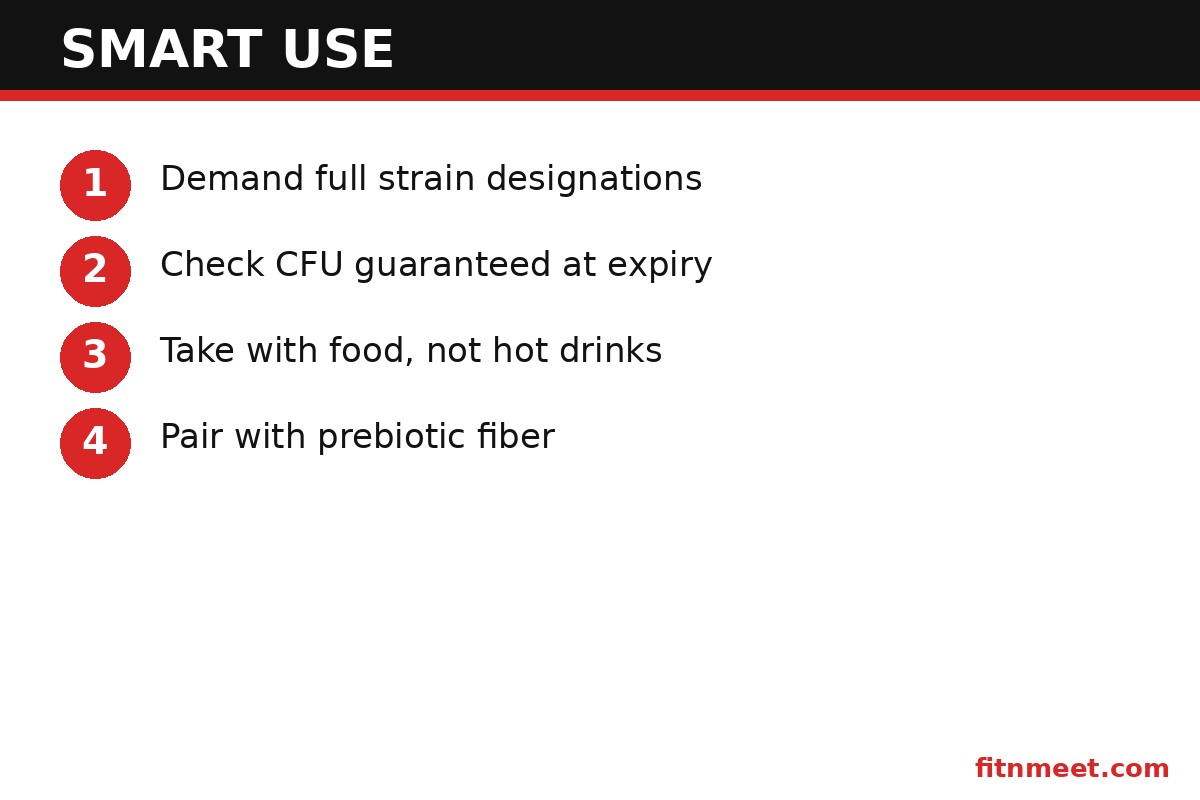
- Do choose products listing full strain designations (e.g., B. lactis Bl-04), not just genus names. Not that: buying “50 billion CFU probiotic blend” with no strain IDs.
- Do look for “CFU guaranteed at expiry” on the label. Not that: trusting “CFU at time of manufacture” — counts decline over shelf life.
- Do take them with or just before a meal containing some fat — food buffers stomach acid and improves bacterial survival. Not that: taking them with very hot drinks, which kill live cultures.
- Do give it 4–8 weeks of consistent daily use before judging effects on digestion. Not that: expecting results in 2 days, or quitting after a week.
- Do store per label directions — shelf-stable is fine if the packaging is intact. Not that: leaving the bottle open in a steamy bathroom; moisture is the enemy of freeze-dried bacteria.
- Do check for third-party testing seals (NSF, USP, Informed-Sport). Not that: assuming online marketplace reviews verify potency — they don’t.
- Do pair with prebiotic fiber (oats, beans, bananas, onions). Not that: taking probiotics while eating 10 g of fiber a day and wondering why nothing changes.
For lifters building a complete plant-based stack, vegan probiotics sit alongside protein and micronutrients — explore FitnMeet’s health support range and the full shop to compare transparently labeled options.
Vegan Probiotics Dosage
Probiotic “dosage” has two dimensions: CFU count and duration. Evidence-based ranges:
- General gut health maintenance: 10–25 billion CFU/day of a multi-strain product with identified strains.
- During/after antibiotics: 20–50 billion CFU/day, taken at least 2 hours apart from the antibiotic dose, continued 1–2 weeks after the course ends.
- IBS-type symptoms: trial doses cluster around 10–20 billion CFU/day for 4–8 weeks before reassessing.
- Duration: remember the Cell finding — strains are transient. Benefits persist with continued use; there is no “loading phase” after which you can stop permanently.
More is not better beyond the studied range. Extremely high CFU products (100B+) have no superior efficacy data and cost more per effective dose. Match the dose to the evidence for your goal, not to the biggest number on the shelf.
Side Effects and Safety
- Initial digestive adjustment: mild gas or bloating in the first 3–7 days is common as the gut microbiome adjusts; it usually resolves. Starting at half dose for a week smooths the transition.
- Generally recognized as safe: Lactobacillus and Bifidobacterium strains have long safety histories in healthy people, and the FDA regulates probiotics as dietary supplements — meaning quality varies by manufacturer, so third-party testing matters.
- Who should be cautious: severely immunocompromised individuals, premature infants, and people with central venous catheters have rare but documented risks of probiotic-related bloodstream infections. Anyone in these groups should use probiotics only under medical supervision.
- Histamine sensitivity: some Lactobacillus strains produce histamine; histamine-sensitive individuals may do better with Bifidobacterium-dominant or low-histamine formulas.
- SIBO: people with small intestinal bacterial overgrowth sometimes worsen with probiotics — get evaluated first if you have chronic bloating.
One final myth-buster point for athletes: heavy training temporarily suppresses immune function — the well-documented “open window” after intense exercise lasting several hours. This is one reason hard-training lifters report fewer sick days when their gut-health fundamentals (fiber, fermented foods, and a quality vegan probiotic) are consistently in place.
Frequently Asked Questions
Are vegan probiotics as effective as regular probiotics?
Yes. Effectiveness depends on the bacterial strains and CFU dose, not on whether the capsule is gelatin or plant-based or whether cultures were grown on dairy media. A vegan probiotic with documented strains at 10–25 billion CFU is equivalent to a non-vegan product with the same strains and dose.
How many CFUs should vegan probiotics have?
For general gut health, 10–25 billion CFU per day of identified strains is the evidence-based range. During or after antibiotics, 20–50 billion CFU is commonly used. More CFUs beyond the studied range have no proven additional benefit — strain identity matters more than the CFU number.
Do vegan probiotics need to be refrigerated?
Not necessarily. Modern freeze-dried (lyophilized) vegan probiotics in moisture-barrier packaging remain viable at room temperature through their expiration date. Look for a CFU guarantee at expiry rather than at manufacture. Follow the specific product’s storage directions.
How long do vegan probiotics take to work?
For digestive comfort, allow 4–8 weeks of consistent daily use. Research shows most probiotic strains are transient — they exert effects while you take them and clear within days to weeks of stopping — so ongoing use, not a short course, maintains benefits.
Can vegan probiotics cause side effects?
Mild gas or bloating in the first week is common and usually resolves. Serious risks are rare in healthy people. Severely immunocompromised individuals should only use probiotics under medical supervision due to rare infection risks.
Should I take vegan probiotics with food?
Yes — taking them with or just before a meal (ideally containing some fat) buffers stomach acid and improves the number of live bacteria reaching the intestines. Avoid taking them with very hot beverages, which can kill the cultures.
What is the difference between vegan probiotics and prebiotics?
Probiotics are the live beneficial bacteria themselves; prebiotics are the fibers (from oats, beans, bananas, onions) that feed them. They work best together — a synbiotic approach. No probiotic can compensate for a diet with almost no fiber.
Conclusion
Vegan probiotics work exactly as well as conventional probiotics — because the bacteria are the same and the vegan part is only the delivery system. The myths (weaker potency, dead shelf-stable cultures, permanent colonization) collapse under the evidence; the facts (strain specificity, CFU-at-expiry, transient colonization, 4–8 week timelines) give you a clear buying checklist. Choose identified strains at 10–25 billion CFU, demand third-party testing, take them with food, and feed them fiber. For transparently labeled gut-health options that fit a plant-based stack, browse FitnMeet’s supplement range.
This article is for informational purposes only and is not medical advice. Consult a healthcare professional before starting any supplement.