
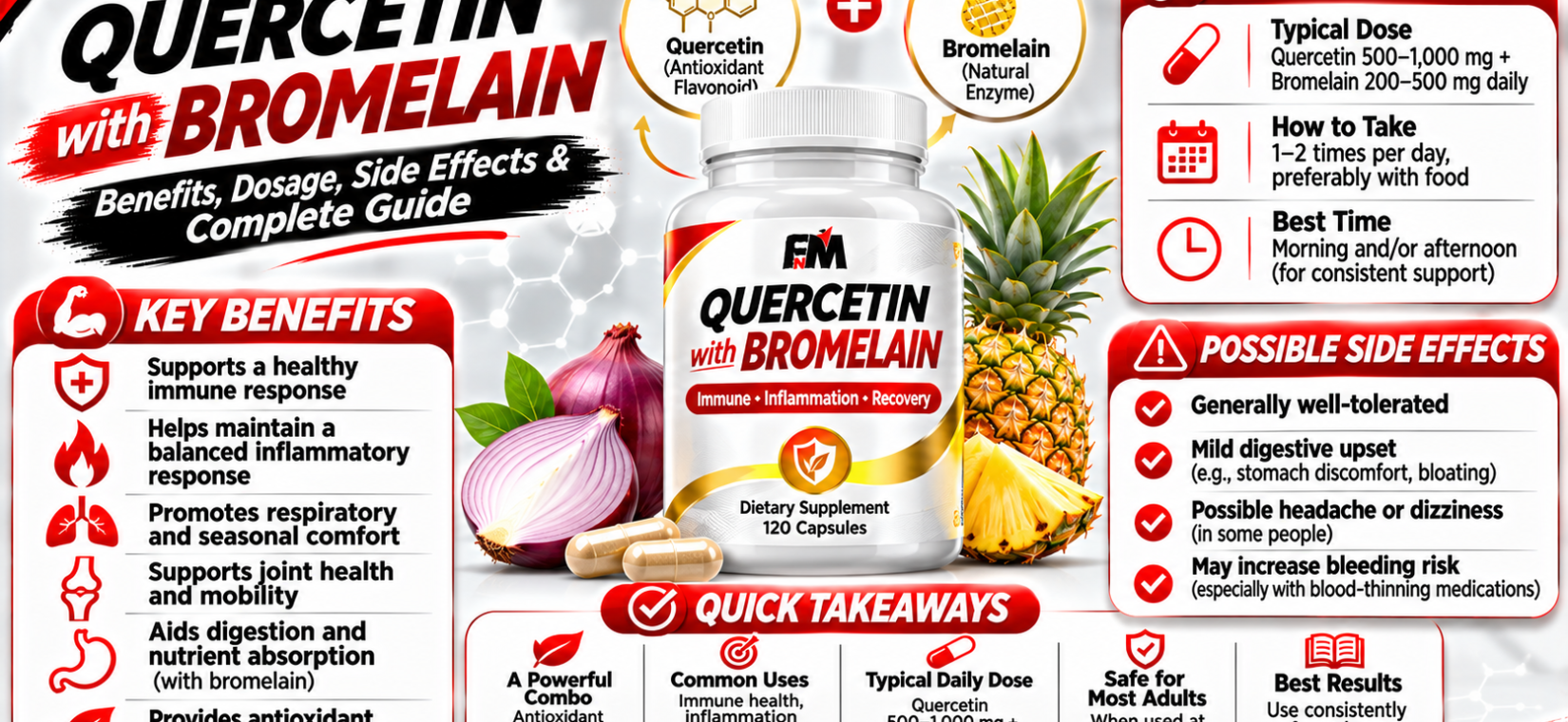
The combo is a dietary supplement pairing that combines quercetin, a plant flavonoid with antioxidant properties, with bromelain, a protein-digesting enzyme extracted from pineapple. People take quercetin with bromelain mainly for sinus, allergy, and inflammation support, because bromelain may improve how well quercetin is absorbed.
What Is Quercetin with Bromelain?
Quercetin with bromelain is not a single compound. It is a supplement formula that pairs two natural ingredients in one capsule: quercetin, a yellow plant pigment belonging to the flavonoid family, and bromelain, a group of protein-digesting enzymes extracted from the fruit and stem of the pineapple plant.
Quercetin is one of the most abundant dietary flavonoids in the human diet. Average daily intake from food is estimated at roughly 10-30 mg per day in Western diets, though people who eat large amounts of onions, apples, berries, and tea can consume more. The richest food sources include capers, which can contain up to 230 mg of quercetin per 100 grams, and red onions, which provide roughly 20-40 mg per 100 grams. Supplement doses of this pairing formulas are typically 20-50 times higher than what food alone provides, which is exactly why the supplement form exists: reaching the studied doses through diet alone would require eating unrealistic quantities of produce.
Bromelain, the second half of quercetin with bromelain, is measured in activity units rather than milligrams alone. Labels list bromelain in GDU (gelatin digesting units) or MCU (milk clotting units) per gram, and a typical capsule supplies 500 mg of bromelain at around 2,400 GDU per gram. The enzyme breaks down proteins, which is why fresh pineapple can tenderize meat and irritate the inside of your mouth. In supplement form, that same proteolytic activity is the reason bromelain is studied for swelling, sinus mucus, and exercise-related soreness.
The reason these two ingredients are sold together as quercetin with bromelain is absorption. Quercetin on its own has low oral bioavailability, estimated at well under 10% in some pharmacokinetic reviews, partly because the body metabolizes it quickly. Bromelain appears to help the body take up quercetin more efficiently, which is why nearly every commercial quercetin product on the market pairs the flavonoid with bromelain rather than selling quercetin alone. Some formulas also add vitamin C, which may further support the antioxidant action of quercetin with bromelain.
Why the Combination Matters
The pairing in the combo is a practical answer to a genuine chemistry problem. Quercetin is a powerful antioxidant in a test tube: it scavenges free radicals, chelates metal ions, and in cell studies it suppresses inflammatory signaling pathways. But test-tube potency does not automatically translate into real-world benefit, because only a fraction of an oral quercetin dose reaches the bloodstream intact. Researchers have spent years testing ways to improve quercetin uptake, from pairing it with fats to encapsulating it in liposomes. The bromelain partnership is the simplest and most widely used of these strategies, and it is the reason the combination exists as a standard product rather than a custom stack.
Bromelain brings its own independent benefits to the formula, so quercetin with bromelain is not simply quercetin with a better delivery vehicle. Bromelain has been studied on its own for sinus congestion, post-exercise swelling, and digestive support, with typical study doses in the 500-2,000 mg per day range. When you take quercetin with bromelain, you are therefore getting two active ingredients with overlapping but distinct jobs: quercetin targets oxidative stress and histamine-related responses, while bromelain targets swelling, mucus thickness, and protein digestion. Their effects on sinus and allergy symptoms overlap enough that the combination became the default way both ingredients are sold.
Timing matters for understanding why people reach for this pairing. Seasonal allergy sufferers often start the combination 2-4 weeks before their difficult season begins, because the goal is to build a steady level of the flavonoid in the body rather than to get instant relief the way an antihistamine tablet works. Athletes and lifters sometimes use quercetin with bromelain after intense training blocks, pairing it with their workout recovery routine when soreness and joint stiffness are highest. Knowing the “why” behind the pairing helps you set realistic expectations: quercetin with bromelain is a gradual, supportive supplement, not a fast-acting drug.
Benefits of Quercetin with Bromelain
The benefits of the combo fall into four main areas, each supported by a different level of evidence. The strongest data comes from the individual ingredients, because few large trials have tested the exact commercial combination head-to-head against each ingredient alone. That distinction matters, and an honest guide should say it up front.
1. Seasonal allergy and sinus support. Quercetin has been studied in cell and animal models for its ability to stabilize mast cells, the immune cells that release histamine. One often-cited human pilot study gave adults with seasonal allergies 500 mg of quercetin twice daily for 4 weeks and reported improvements in symptom scores compared with baseline. Bromelain, meanwhile, has been researched for sinus inflammation: a widely referenced trial in adults with acute sinusitis used 500 mg of bromelain three times daily and found faster symptom resolution than the control group. The combo combination is therefore a logical fit for people who want a food-derived option for stuffy, congested seasons, though large-scale confirmatory trials are still limited.
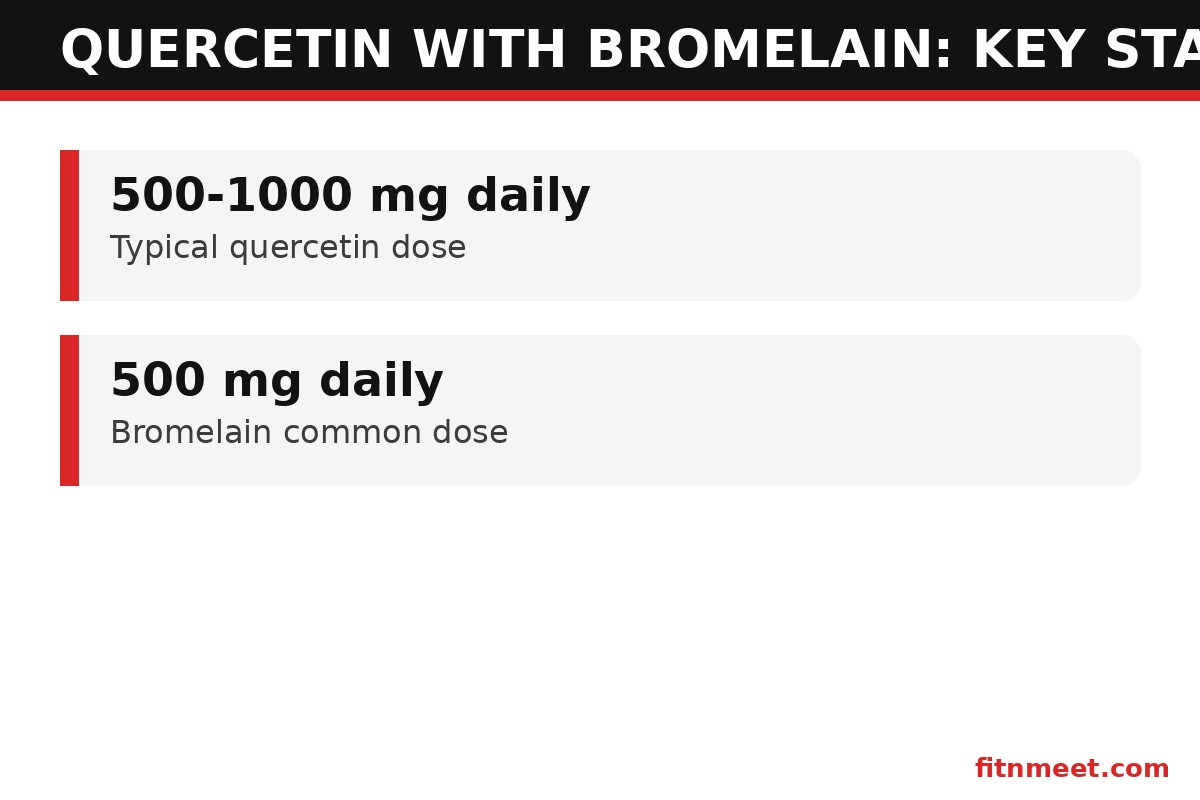
2. Antioxidant and inflammation balance. Oxidative stress is the background process behind much of aging and overtraining: free radicals generated during hard exercise and normal metabolism damage cell membranes and proteins. Quercetin is one of the most potent dietary antioxidants measured in standard assays, and human supplementation studies using 500-1,000 mg per day have reported reductions in markers such as C-reactive protein in some populations. Bromelain contributes through a different route: as a protease, it influences swelling and the body’s normal inflammatory response rather than acting as a classic antioxidant. Together, quercetin with bromelain covers both sides of the recovery equation, which is why the pair shows up in sports nutrition alongside categories like health support formulas.
3. Exercise recovery and joint comfort. Intense training produces micro-damage in muscle tissue and a temporary rise in inflammatory markers. Small human trials of quercetin have explored its effect on exercise performance and recovery, with doses around 1,000 mg per day for 1-2 weeks; results on performance are mixed, but some data suggest modest support for recovery perception. Bromelain’s evidence for bruising and swelling comes from older European clinical literature, where it has been used for decades as a standard post-exercise and post-injury enzyme. For lifters, quercetin with bromelain is a sensible addition to a recovery stack that already includes protein and sleep, not a replacement for either.
4. Cardiovascular and metabolic markers. Quercetin has been investigated for blood pressure and blood lipid effects in meta-analyses of randomized trials. Pooled analyses covering over 580 participants have reported small but statistically significant reductions in systolic and diastolic blood pressure at doses of 500 mg per day or more, with larger effects seen in participants with existing hypertension. The clinical relevance of a few points of blood pressure change is modest, but it illustrates that quercetin is a bioactive compound with measurable effects, not an inert plant pigment.
A reasonable summary: this pairing offers plausible, food-derived support for allergies, sinus comfort, and inflammation balance, with the best evidence pointing to the individual ingredients at doses of 500-1,000 mg per day. Expectations should stay grounded in what the research actually shows.
How to Use Quercetin with Bromelain (Step-by-Step)
Taking quercetin with bromelain correctly is straightforward, but a few details around timing and label reading make a real difference. Follow these steps:
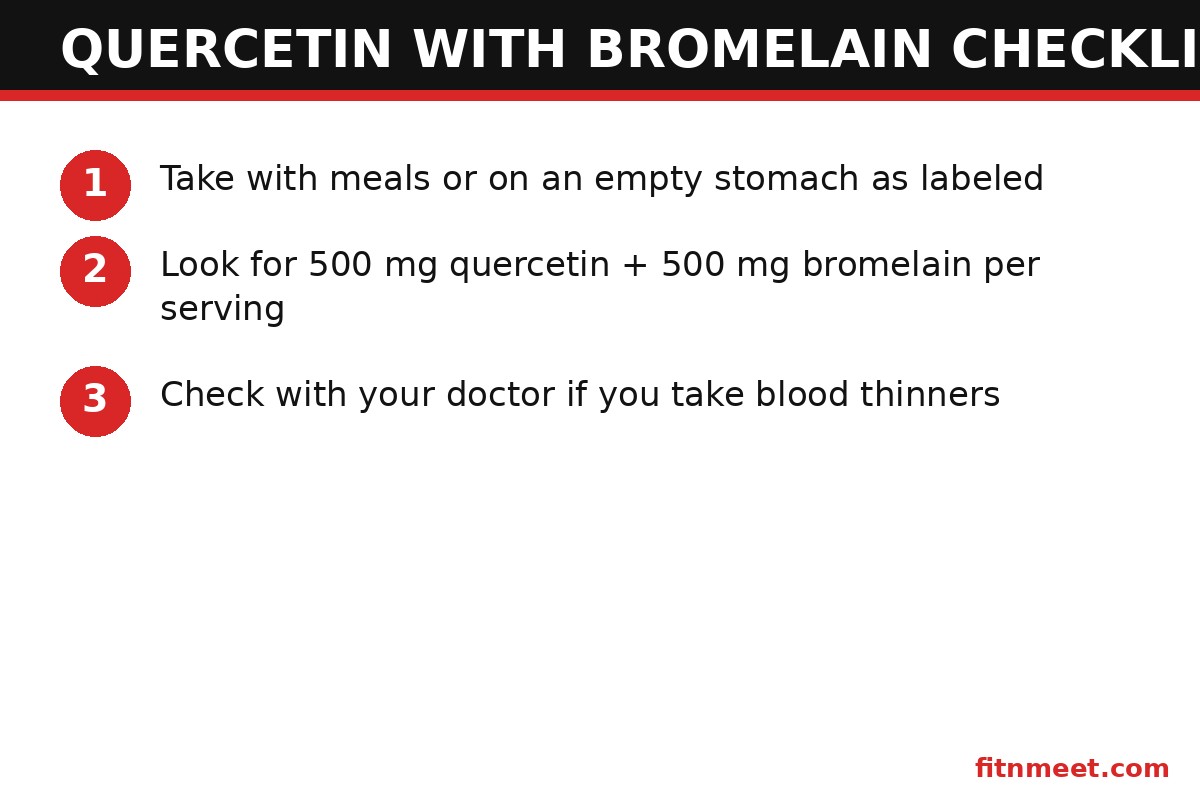
- Read the label for both ingredients. A quality quercetin with bromelain product lists quercetin per serving (commonly 500 mg) and bromelain per serving (commonly 500 mg) separately, plus the bromelain activity in GDU. If the label only says “quercetin blend” without amounts, choose a different product.
- Start with one serving per day. Most labels suggest 1-2 capsules daily. Begin with the lower end for the first week so you can judge tolerance, especially if you are new to enzyme supplements.
- Decide on timing. Many people take the combo between meals, because bromelain’s absorption as an enzyme is best studied on an empty stomach. Others take it with food to avoid stomach upset. Both approaches are common; pick the one your stomach tolerates and stay consistent.
- For seasonal allergies, start early. Begin quercetin with bromelain 2-4 weeks before your peak allergy season. The flavonoid needs time to build steady levels, so starting the week symptoms arrive is starting late.
- Pair it with your routine, not against it. If you take other vitamins or recovery supplements, keep quercetin with bromelain in the same daily slot so you do not forget it. Consistency over weeks is what the studies tested, not single doses.
- Reassess after 6-8 weeks. If you notice no change in your target symptoms after two months of steady use, the combination may simply not be the right tool for your situation. Stop and reconsider rather than increasing the dose on your own.
This pairing Dosage
There is no official recommended dietary allowance for quercetin with bromelain, because it is a supplement combination rather than an essential nutrient. Dosage guidance comes from the doses used in published studies and from long-standing label conventions:
- Quercetin: study doses range from 500 to 1,000 mg per day, usually split into two doses. Most commercial quercetin with bromelain capsules provide 500 mg of quercetin per serving.
- Bromelain: study doses range from 500 to 2,000 mg per day. Most quercetin with bromelain products supply 500 mg per capsule, often standardized to at least 2,400 GDU per gram.
- Combined label serving: the most common commercial formula is 500 mg quercetin + 500 mg bromelain per 1-2 capsules, taken once or twice daily.
- With or without food: both approaches appear in the literature. Empty-stomach dosing is favored for bromelain’s systemic enzyme effects; with-food dosing is favored for quercetin tolerance.
- Duration: allergy and inflammation studies typically run 4-12 weeks. There is no established need to cycle the combo, but long-term safety data beyond a few months is limited.
Because quercetin with bromelain is unregulated in the sense that the FDA does not pre-approve supplement doses, label quality varies. Choose products that disclose exact amounts of both ingredients and the bromelain activity units. Shoppers browsing the FitnMeet shop or any supplement retailer should apply the same label-reading discipline to every product they buy.
Side Effects and Safety
Quercetin with bromelain is generally well tolerated at standard doses, and both ingredients have long histories of use in food and traditional practice. Most reported side effects are mild and digestive:
- Common and mild: stomach discomfort, nausea, or loose stools, especially when bromelain is taken on an empty stomach. Headaches are reported occasionally with quercetin.
- Allergic reactions: people allergic to pineapple, latex, or related plant pollens should avoid bromelain. Skin rash, itching, or swelling are warning signs to stop immediately.
- Bleeding risk: bromelain may slow blood clotting. Stop this pairing at least 2 weeks before scheduled surgery, and use caution if you take blood thinners or antiplatelet drugs.
- Drug interactions: quercetin can affect how the liver processes certain medications, and bromelain may increase the absorption of some antibiotics. If you take prescription drugs, check with your doctor or pharmacist before adding quercetin with bromelain.
- Pregnancy and breastfeeding: safety has not been established. Avoid quercetin with bromelain during pregnancy and breastfeeding unless a healthcare professional advises otherwise.
High-dose quercetin (above 1,000 mg per day) has been linked in isolated reports to kidney stress, so there is no reason to exceed the studied dose range. More is not better with flavonoids.
Quercetin vs Bromelain: Comparison
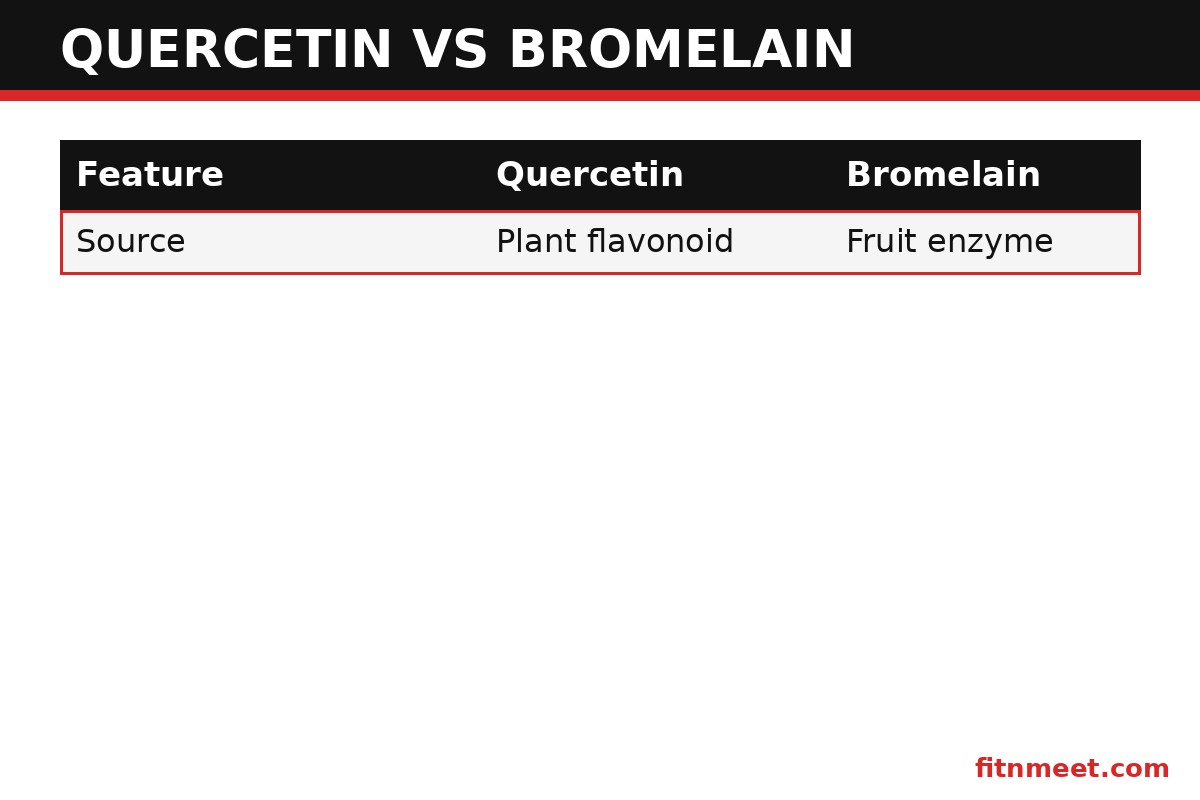
Understanding each half of quercetin with bromelain helps you judge whether you need the combination or just one ingredient. The table below compares them directly:
| Feature | Quercetin | Bromelain |
|---|---|---|
| Type | Flavonoid (plant pigment) | Proteolytic enzyme mixture |
| Source | Onions, apples, berries, capers | Pineapple fruit and stem |
| Typical supplement dose | 500-1,000 mg/day | 500-2,000 mg/day |
| Measured in | Milligrams | Milligrams + GDU activity units |
| Main studied uses | Allergies, antioxidant balance, blood pressure | Sinus swelling, bruising, digestion |
| Absorption | Low on its own; improved by bromelain | Partially absorbed intact as enzyme |
| Key caution | Drug metabolism interactions at high doses | Bleeding risk; pineapple allergy |
| Food equivalent | ~10-30 mg/day from typical diet | Small amounts in fresh pineapple only |
The takeaway from the comparison is simple: the combo works as a system. Quercetin supplies the flavonoid activity, bromelain supplies enzyme activity and helps the body use the quercetin, and neither half alone covers both jobs.
Alternatives to Quercetin with Bromelain
If quercetin with bromelain does not suit you, several alternatives target the same goals through different mechanisms:
- Vitamin C: the classic antioxidant for immune and allergy support, often paired with quercetin in formulas. Daily doses of 500-1,000 mg are common in studies of respiratory health.
- Stinging nettle leaf: a traditional herbal option for seasonal allergy symptoms, available in capsules and teas.
- Turmeric/curcumin with black pepper: another plant-derived anti-inflammatory pairing, studied for joint comfort at 500-1,000 mg of curcumin per day.
- Saline nasal rinse: a non-supplement mechanical option for sinus congestion that works immediately and pairs well with anything else.
- Quercetin alone: if pineapple allergy rules out bromelain, quercetin-only capsules still deliver the flavonoid, albeit with lower absorption.
- Bromelain alone: if your main goal is sinus swelling or post-exercise bruising, standalone bromelain at 500 mg two to three times daily is the more targeted choice.
Frequently Asked Questions
What is quercetin with bromelain good for?
Quercetin with bromelain is most commonly used for seasonal allergy symptoms, sinus congestion, and general inflammation support. Quercetin acts as an antioxidant flavonoid that may help stabilize histamine-releasing cells, while bromelain is an enzyme studied for sinus swelling and mucus. The combination is also used by athletes for post-training recovery and joint comfort.
When should I take quercetin with bromelain, morning or night?
Either works, but consistency matters more than clock time. Many people take quercetin with bromelain in the morning between meals, since bromelain absorption as an enzyme is best studied on an empty stomach. If it upsets your stomach, take it with food instead. For seasonal allergies, the more important timing decision is starting 2 to 4 weeks before your allergy season begins.
How long does it take for quercetin with bromelain to work?
Quercetin with bromelain is not fast-acting like an antihistamine tablet. Most studies ran 4 to 12 weeks before measuring results, and users typically report noticing changes after 2 to 4 weeks of daily use. If you feel nothing after 6 to 8 weeks of consistent use at the labeled dose, it is reasonable to stop and try a different approach.
Is quercetin with bromelain safe to take daily?
At standard label doses of around 500 mg quercetin plus 500 mg bromelain per day, the combination is generally well tolerated by healthy adults. Mild stomach upset is the most common issue. Avoid it before surgery, if you take blood thinners, or if you are allergic to pineapple. Long-term safety data beyond a few months of continuous use is limited, so periodic reassessment is sensible.
Can I take quercetin with bromelain with vitamin C?
Yes. Vitamin C is frequently combined with quercetin with bromelain, and many commercial formulas include all three. Vitamin C is an antioxidant in its own right and may support quercetin’s activity. Standard practice is 500 to 1,000 mg of vitamin C per day alongside the combination. As always, check with your doctor if you take prescription medications.
Does quercetin with bromelain help with COVID or flu?
Quercetin has been researched in laboratory settings for antiviral properties, but there is no strong clinical evidence that quercetin with bromelain prevents or treats COVID-19, flu, or other viral infections in humans. It should not replace vaccines, medical treatment, or proven preventive measures. Anyone who is ill should follow their doctor’s guidance.
Conclusion
This pairing earns its place as a supplement staple for a simple reason: it solves quercetin’s absorption problem while adding bromelain’s own enzyme benefits on top. For seasonal allergies, sinus pressure, and everyday inflammation balance, the combination offers food-derived support backed by plausible mechanisms and encouraging (if still developing) human evidence. Use the studied dose range of 500-1,000 mg quercetin with 500 mg bromelain daily, start early for allergy season, give it 6-8 weeks, and judge it honestly.
healthy routines, and FitnMeet can help you stock them: browse quality supplements in the vitamins and health support ranges, so you always know what you are putting in your body.
This article is for informational purposes only and is not medical advice. Consult a healthcare professional before starting any supplement.
Sources: Quercetin — Wikipedia · Bromelain — Wikipedia · Vitamin C fact sheet — NIH Office of Dietary Supplements