
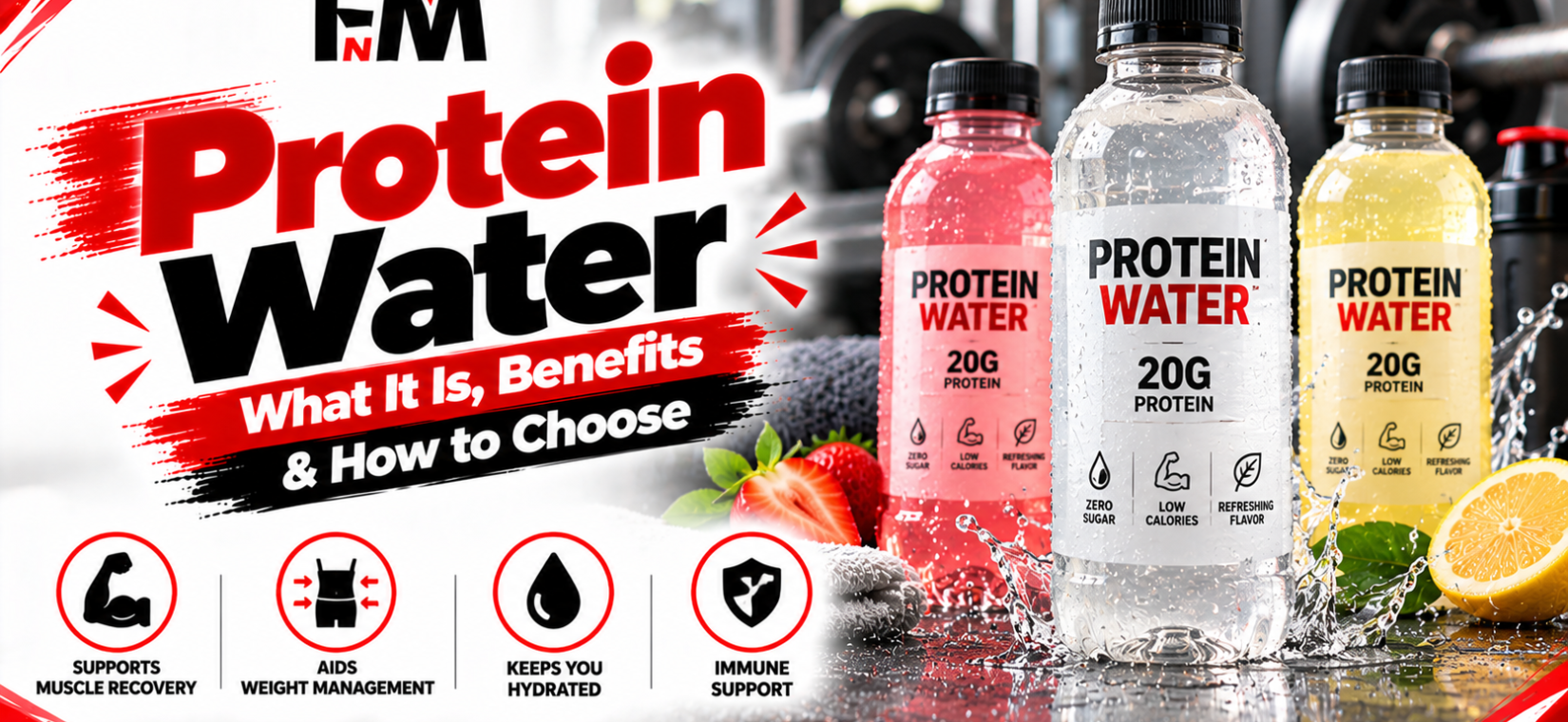
If you have ever stared at a thick, milky protein shake and thought “I just can’t today,” protein water was made for you. It looks like flavored water, drinks like juice, and quietly delivers 10 to 20 grams of protein per bottle, with no blender, no chalkiness, and no heavy stomach afterward.
This guide covers everything worth knowing: what this drink actually is, how it is made, how it compares to shakes and clear whey, the genuine benefits and the real downsides, how to pick a good one, how to make your own at home, the mistakes that waste your money, and answers to the questions people ask most. By the end, you will know exactly whether it deserves a place in your routine.
What Is Protein Water?
Protein water is exactly what the name promises: water fortified with protein, most often whey protein isolate, plus flavoring and sweetener. A typical bottle contains 10 to 20 grams of protein and 60 to 90 calories, with a thin, transparent texture closer to a sports drink than a milkshake.
It exists for one simple reason: plenty of people need more protein but dislike creamy shakes. Heat, low appetite, lactose sensitivity, or simple taste fatigue can make a thick shake unappealing. A light, fruity drink that delivers a meaningful dose of protein solves that problem. Compliance is the whole game in nutrition, and the best protein source is the one you will actually consume every day.
Most products on the market use whey protein isolate as the base because it dissolves clearly, tastes neutral, and digests quickly. You will also find versions built on collagen peptides or plant proteins, though these are less common and behave differently nutritionally, as explained below.
How Protein Water Is Made
Manufacturing this drink is trickier than it looks. Whey protein naturally wants to turn milky and can develop off flavors when heated, so producers use specialized filtration and gentle heat treatment to keep the drink clear and shelf-stable.
The basic recipe is water, whey protein isolate (usually 10 to 20 grams per serving), natural or artificial flavors, a sweetener such as sucralose, stevia, or acesulfame potassium, plus acids like citric acid for tartness and shelf life. Some brands add electrolytes, B vitamins, or a small amount of caffeine for a pre-workout angle.
Quality varies enormously. Premium products use more isolate, fewer additives, and third-party testing, while budget options may lean on extra sweeteners while keeping protein at the bare minimum. Reading the label, which we cover in the buying section, matters more here than with almost any other protein product.
Protein Water Nutrition Facts
A standard 500 ml (about 16.9 oz) bottle typically provides:
- Protein: 10 to 20 grams (usually whey protein isolate)
- Calories: 60 to 90
- Carbohydrates: 0 to 5 grams
- Sugar: 0 to 2 grams
- Fat: 0 grams
- Sodium: varies; some include added electrolytes
Compare that with a standard whey shake: 20 to 30 grams of protein for 120 to 160 calories. The shake wins on protein per serving, while the water-based drink wins on lightness and drinkability. Neither is a meal. Both lack meaningful fiber, fats, and micronutrients, so think of them as protein top-ups rather than food replacements.
One label trap to watch: “protein water” is not a regulated term. Some drinks use the name with as little as 5 to 8 grams of protein per bottle. If the protein number is not clearly printed on the front, assume it is marketing first and nutrition second.
Protein Water vs Protein Shakes
This is the comparison almost everyone is really asking about. Here is how the two formats stack up.
Taste and texture
Protein water is thin, clear, and juice-like, often in citrus, berry, or tropical flavors. Shakes are thick, creamy, and dessert-like. In hot weather, after hard training, or when your appetite is low, most people find the lighter drink far easier to finish.
Protein per serving
Shakes deliver 20 to 30 grams; bottled waters deliver 10 to 20. If you are chasing a high daily target, say 150 grams or more, shakes or solid food do the heavy lifting and these drinks fill the gaps. For a lighter top-up between meals, 15 grams in water form is genuinely useful.
Digestion and comfort
The isolate base and water-thin texture tend to digest quickly, and many people who feel bloated after milky shakes tolerate the lighter format without issues. It is also typically very low in lactose, since whey isolate is filtered to remove most of it.
Calories
At 60 to 90 calories per bottle, protein water has one of the best protein-to-calorie ratios in the beverage world, which is handy during a fat-loss phase when every calorie is budgeted. Our protein powder guide breaks down how different formats compare on this metric.
Cost and convenience
Ready-to-drink bottles cost more per gram of protein than any powder because you are paying for convenience. But they need no shaker, no water fountain, and no cleanup. Toss one in your gym bag and you are covered. For travel, work, or sipping during training, that convenience is the entire point.
Verdict: shakes are the workhorse for hitting big protein numbers cheaply, while protein water is the specialist for situations where a shake simply will not get drunk. Most people benefit from having both options, for example a whey protein powder at home and ready-to-drink bottles for the gym bag.
Protein Water vs Clear Whey: What Is the Difference?
Clear whey and protein water are cousins, not twins. Clear whey is a powder, whey isolate engineered to mix into water with a juice-like result. Protein water is the ready-to-drink version: pre-mixed, pre-flavored, grab-and-go.
Nutritionally they are near-identical when the protein source matches: 20 grams of whey isolate is 20 grams of whey isolate whether you mixed it yourself or bought it bottled. The differences are practical. Clear whey powder costs far less per serving and lets you control sweetness and strength, while bottled protein water costs more but requires zero effort.
If you like the concept but dislike the per-bottle price, try a clear whey protein powder first for the same light-drinking experience at much better value. If you travel constantly or want grab-and-go simplicity, the bottled version earns its premium.
7 Benefits of Protein Water
Beyond “it is easy to drink,” there are concrete reasons this format works.
1. Hydration and protein in one habit
You were going to drink water anyway. Swapping one daily bottle for a protein-fortified version adds 10 to 20 grams of protein with zero extra effort, dishes, or planning. Small, frictionless upgrades compound over time.
2. Supports daily protein targets
Most active adults need more protein than they think: roughly 1.2 to 2.0 grams per kilogram of body weight for those training regularly, versus the 0.8 g/kg baseline RDA. A single bottle can cover 10 to 15 percent of that target in the time it takes to drink a glass of water.
3. The protein itself is high quality
Whey isolate is a complete protein with all essential amino acids and a high leucine content, the amino acid most directly tied to muscle protein synthesis. A 2023 systematic review and meta-analysis on PubMed found that whey protein supplementation combined with resistance training increased muscle mass and strength in older adults. The delivery format does not change the ingredient’s quality.
4. Gentle on the stomach
Water-thin texture, minimal fat, and very low lactose make this one of the easiest protein formats to digest. People who bloat on concentrate-based shakes or milk often tolerate it perfectly, though individual responses vary.
5. Genuinely useful during fat loss
Protein is the most satiating macronutrient, and holding onto muscle while dieting depends on keeping protein high. Getting 15 grams of protein for about 70 calories is as efficient as it gets, a useful tool when calories are tight.
6. Workout-friendly
Unlike heavy shakes, it is light enough to sip during training: hydration plus a steady trickle of amino acids in one bottle. It also works well immediately after training when a full meal is still an hour away.
7. Variety prevents protein fatigue
Anyone who has choked down the same chocolate shake for six months knows flavor fatigue is real, and it kills consistency. Rotating in fruity, refreshing options keeps your routine sustainable, and sustainability beats perfection every time.
Potential Downsides of Protein Water
An honest guide covers the trade-offs:
- Less protein per serving than shakes or powders. If your target is high, this is a supplement to your intake, not the foundation.
- Higher cost per gram of protein. Ready-to-drink anything carries a convenience premium, often two to three times the cost per gram versus powder.
- Sweeteners. Most brands use sucralose, acesulfame-K, or stevia. These are approved as safe by major food authorities, but some people find they cause digestive discomfort or simply dislike the taste, so try a single bottle before committing to a case.
- Not a meal replacement. It lacks fiber, fats, and most micronutrients. Replacing meals with it is a poor strategy.
- Acidity and teeth. Like any flavored, acidic drink, frequent sipping throughout the day is not ideal for tooth enamel. Drink it in one sitting rather than nursing it for hours, and keep plain water as your all-day drink.
- Label games. As noted, the term is not regulated. Some products contain more marketing than protein.
None of these are deal-breakers. They are simply the reasons to choose carefully and to use the product for what it is good at.
How to Choose the Best Protein Water
Follow these five steps in the store or on the product page and you will avoid 90 percent of bad purchases.
Step 1: Check the protein number first
Look for 15 grams or more per bottle. Below that, you are buying flavored water with a story. The best products print the grams clearly on the front. If you have to hunt for it, that is a red flag.
Step 2: Confirm the protein source
Whey protein isolate is the gold standard here: clear-mixing, fast-absorbing, complete amino acid profile. “Whey protein” without “isolate” may be concentrate, which is cloudier and higher in lactose. Collagen-based waters do not count as complete protein for muscle purposes. They are fine for skin and hair goals, not for hitting protein targets.
Step 3: Keep calories under 100
The whole appeal is protein without caloric cost. Anything over 100 calories per bottle is competing with shakes on their turf, and losing.
Step 4: Read the sweetener and ingredient list
Shorter is better. Decide which sweeteners agree with you, whether sucralose, stevia, ace-K, or monk fruit, and avoid the ones that do not. If you are a tested athlete, look for third-party certification such as NSF Certified for Sport or Informed Sport.
Step 5: Taste-test before you stock up
Flavors vary wildly between brands. One company’s “berry” is another’s cough syrup. Buy singles, find your winner, then buy the case. This single habit saves more money than any discount code.
Prefer maximum value over convenience? A quality plant-based protein powder or whey powder delivers far more protein per dollar. Use powders at home and keep bottles for the gym bag and travel.
How to Make Protein Water at Home
DIY protein water is easy and far cheaper than bottled. You need a clear-mixing whey isolate (standard concentrate will turn milky, which is fine nutritionally, just not “water”), cold water, and flavoring.
- Fill a shaker with 400 to 500 ml of cold water.
- Add one scoop (20 to 25 grams) of unflavored or fruity whey isolate.
- Add flavor: a squeeze of lemon or lime, a splash of juice, or sugar-free water enhancer drops.
- Shake hard for 20 to 30 seconds and let it settle for a minute, since foam needs a moment to clear.
- Drink within a couple of hours. Do not batch-prep days ahead, because mixed protein drinks are perishable.
Homemade versions will not be as crystal-clear or shelf-stable as commercial ones, but they cost a fraction of the price and let you control every ingredient. It is the best of both worlds for daily drinkers.
5 Mistakes to Avoid
1. Treating it as your main protein source
At 10 to 20 grams per bottle, it is a top-up. Build your intake around solid meals and shakes or powders first, then let these drinks fill the gaps.
2. Ignoring the label
Two bottles can look identical and differ by 10 grams of protein. The front of the package is advertising; the nutrition panel is the truth.
3. Replacing water with it
It is a supplement, not hydration. One or two bottles a day is plenty. Plain water should still be your main drink.
4. Choosing collagen and expecting whey results
Collagen waters are popular, but collagen is not a complete protein and is low in leucine. Good for specific goals, but not a substitute when muscle and satiety are the priorities.
5. Paying the convenience tax every day
Daily bottled purchases add up fast. If you drink it daily, the homemade version or a clear whey powder pays for itself within weeks.
Protein Water FAQs
Is it healthy?
For most people, yes. It is water plus a quality protein source with minimal calories. The caveats: watch sweeteners if you are sensitive, do not let it replace real meals, and keep total daily protein within sensible ranges.
Can it replace a protein shake?
Partially. It has less protein per serving, so it works best as a top-up between meals or during training. If your daily target is high, keep the shake or powder as your foundation.
When is the best time to drink it?
Between meals, during workouts, or whenever you want protein without heaviness. After training it works as a bridge, but a full shake or meal still delivers more total protein when it matters most.
Does it help with weight loss?
It can help indirectly. Protein supports satiety and muscle retention during a calorie deficit, and 15 grams of protein for about 70 calories is an efficient trade. No drink burns fat on its own; it works as part of an overall high-protein diet.
Is it good after bariatric surgery?
Many bariatric programs recommend protein waters because the thin texture is easier to tolerate than thick shakes after surgery. Always follow your own surgical team’s specific guidance, since recommendations vary by procedure and stage of recovery.
How much can I drink per day?
One to two bottles daily fits easily into most routines. Beyond that, you are spending a lot for what powder or food could provide more cheaply, and plain water should remain your primary drink.
Does it need to be refrigerated?
Unopened shelf-stable bottles are fine at room temperature; that is the point of the format. Once opened, treat it like any perishable drink: refrigerate and finish within a day.
Is it okay for lactose intolerance?
Usually, yes. Whey isolate is filtered to remove nearly all lactose, and most people with lactose intolerance tolerate it well. If you are highly sensitive, check the label for the exact protein source and start with a small amount.
The Bottom Line: Is Protein Water Worth It?
Protein water is not magic, and it is not a replacement for shakes, powders, or real food. What it is: the most drinkable 15 grams of protein in the beverage aisle, a genuinely useful tool for anyone who struggles with thick shakes, trains in the heat, needs protein on the go, or wants more variety in their routine. Choose one with 15 grams or more of whey isolate, keep it to a bottle or two a day, and it earns its place. Want the full picture on powders too? Start with our protein powder guide to compare every format side by side.