
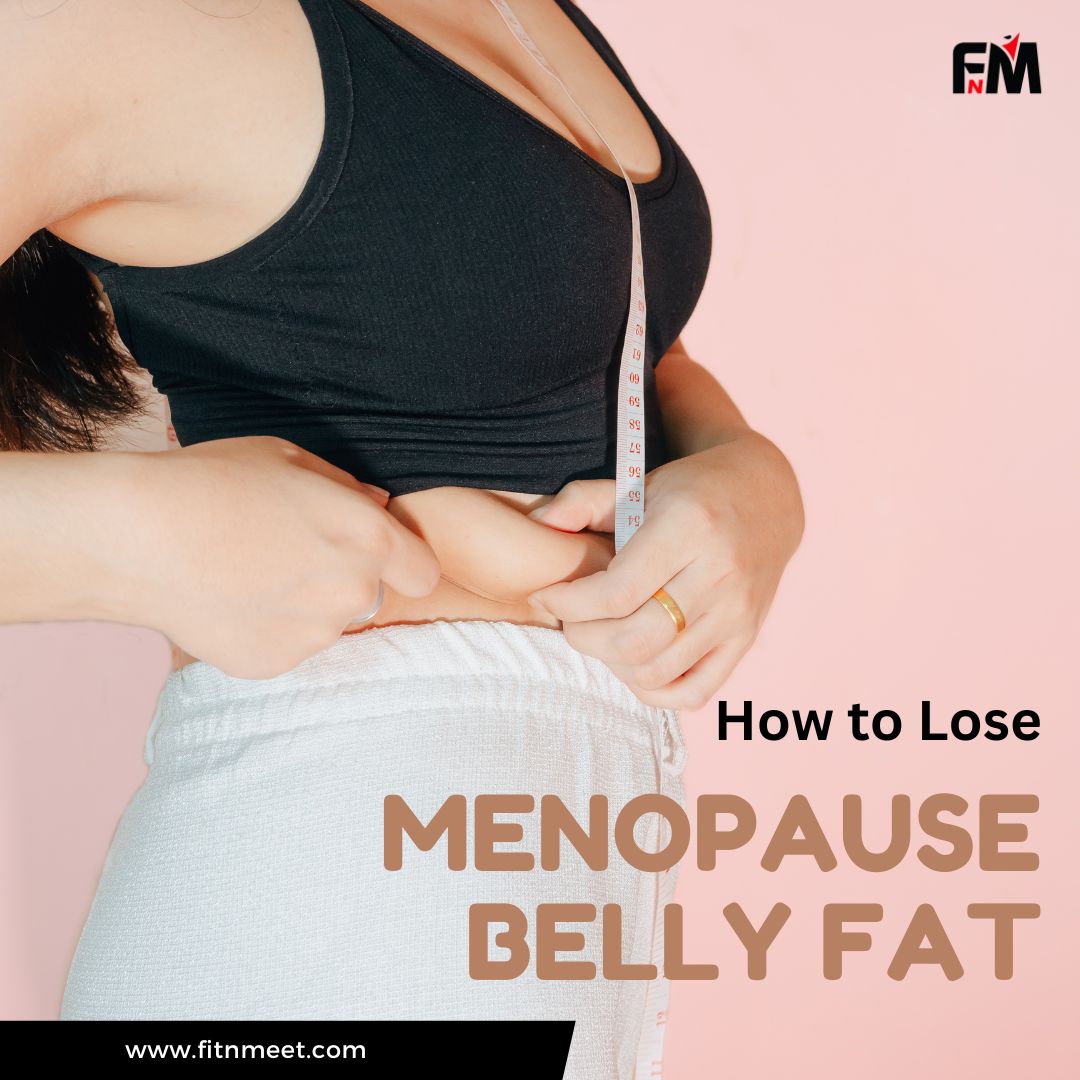
As a certified coach in human nutrition and exercise science, I often get asked about the best ways to lose stubborn belly fat, especially during and after menopause. It’s a common concern for many women going through this transitional phase of life.
During menopause, hormonal changes can lead to a redistribution of body fat, with more fat accumulating around the abdomen. This belly fat, also known as visceral fat, is particularly concerning as it can increase the risk of various health issues, including heart disease, type 2 diabetes, and certain types of cancer.
In today’s article, I’ll delve into the science behind menopause belly fat and provide you with practical, evidence-based strategies to help you lose it effectively and sustainably.
Understanding Menopause Belly Fat
Before we dive into the strategies, it’s essential to understand the underlying causes of menopause belly fat. During menopause, the levels of estrogen and progesterone, two key female hormones, decline significantly. This hormonal shift can lead to several metabolic changes, including:
Decreased Metabolism: A lower metabolic rate means your body burns fewer calories at rest, making it easier to gain weight.
Insulin Resistance: Menopause can increase insulin resistance, which can contribute to abdominal fat accumulation.
Cortisol Imbalance: Fluctuations in cortisol, the stress hormone, can promote the storage of visceral fat around the abdomen.
Muscle Mass Loss: As we age, we naturally lose muscle mass, which can further slow down our metabolism and make it harder to burn calories.
Strategies to Lose Menopause Belly Fat
Now that you understand the science behind menopause belly fat, let’s explore some effective strategies to help you combat it:
1. Adopt a Calorie-Controlled Diet
One of the most crucial steps in losing menopause belly fat is to create a calorie deficit. This means consuming fewer calories than your body burns each day. However, it’s important to do this in a sustainable and healthy way.
Focus on Nutrient-Dense Foods: Emphasize whole, unprocessed foods like lean proteins, vegetables, fruits, whole grains, and healthy fats. These foods are rich in essential nutrients and can help you feel fuller for longer, reducing cravings and overeating.
Portion Control: Pay attention to portion sizes and practice mindful eating. Use smaller plates, eat slowly, and listen to your body’s hunger and fullness cues.
Hydrate Adequately: Drink plenty of water throughout the day to support your body’s metabolic processes and prevent mistaking thirst for hunger.
2. Incorporate High-Intensity Interval Training (HIIT)
HIIT is a highly effective form of exercise for burning fat, including visceral fat. These short, intense bursts of activity followed by periods of rest can boost your metabolism and help you burn more calories in a shorter amount of time.
Examples of HIIT Exercises: Sprinting, cycling, jumping jacks, burpees, and battle ropes.
Frequency and Duration: Aim for 2-3 HIIT sessions per week, with each session lasting 20-30 minutes.
Intensity Level: During the high-intensity intervals, push yourself to around 80-90% of your maximum heart rate.
3. Build and Maintain Muscle Mass
As mentioned earlier, muscle mass plays a crucial role in maintaining a healthy metabolism. Strength training exercises can help you build and preserve lean muscle, which in turn can boost your metabolic rate and aid in fat loss.
Resistance Training: Incorporate exercises like weightlifting, resistance bands, or bodyweight exercises (e.g., push-ups, squats, lunges) into your routine.
Compound Exercises: Focus on compound exercises that engage multiple muscle groups simultaneously, such as deadlifts, squats, and pull-ups.
Progressive Overload: Gradually increase the weight, reps, or intensity of your exercises to continue challenging your muscles and promoting growth.
4. Manage Stress and Cortisol Levels
As mentioned earlier, cortisol imbalances can contribute to abdominal fat accumulation. Engaging in stress-reducing activities can help regulate cortisol levels and support your weight loss efforts.
Mindfulness and Meditation: Practices like deep breathing, yoga, and meditation can help reduce stress and promote relaxation.
Get Enough Sleep: Aim for 7-9 hours of quality sleep each night, as sleep deprivation can disrupt cortisol levels and increase hunger hormones.
Engage in Enjoyable Activities: Make time for hobbies, social connections, and activities that bring you joy and help you manage stress.
5. Consider Supplements (with Medical Supervision)
While a balanced diet and regular exercise should be the foundation of your weight loss efforts, certain supplements may provide additional support when used under medical supervision.
Omega-3 Fatty Acids: These healthy fats can help reduce inflammation and may aid in visceral fat loss.
Probiotics: A healthy gut microbiome can support weight management and metabolic health.
Green Tea Extract: Compounds in green tea, such as EGCG, may boost metabolism and promote fat burning.
It’s important to consult with a healthcare professional before starting any new supplement regimen, as they can interact with medications or have potential side effects.
Consistency and Patience are Key
Losing menopause belly fat is a journey that requires consistency and patience. It’s essential to remember that sustainable weight loss takes time and effort. Embrace a holistic approach that combines a balanced diet, regular exercise, stress management, and lifestyle modifications.
Celebrate small victories along the way, and don’t be discouraged by temporary setbacks. Menopause is a natural transition, and with the right strategies and mindset, you can navigate it successfully and achieve your desired body composition.