
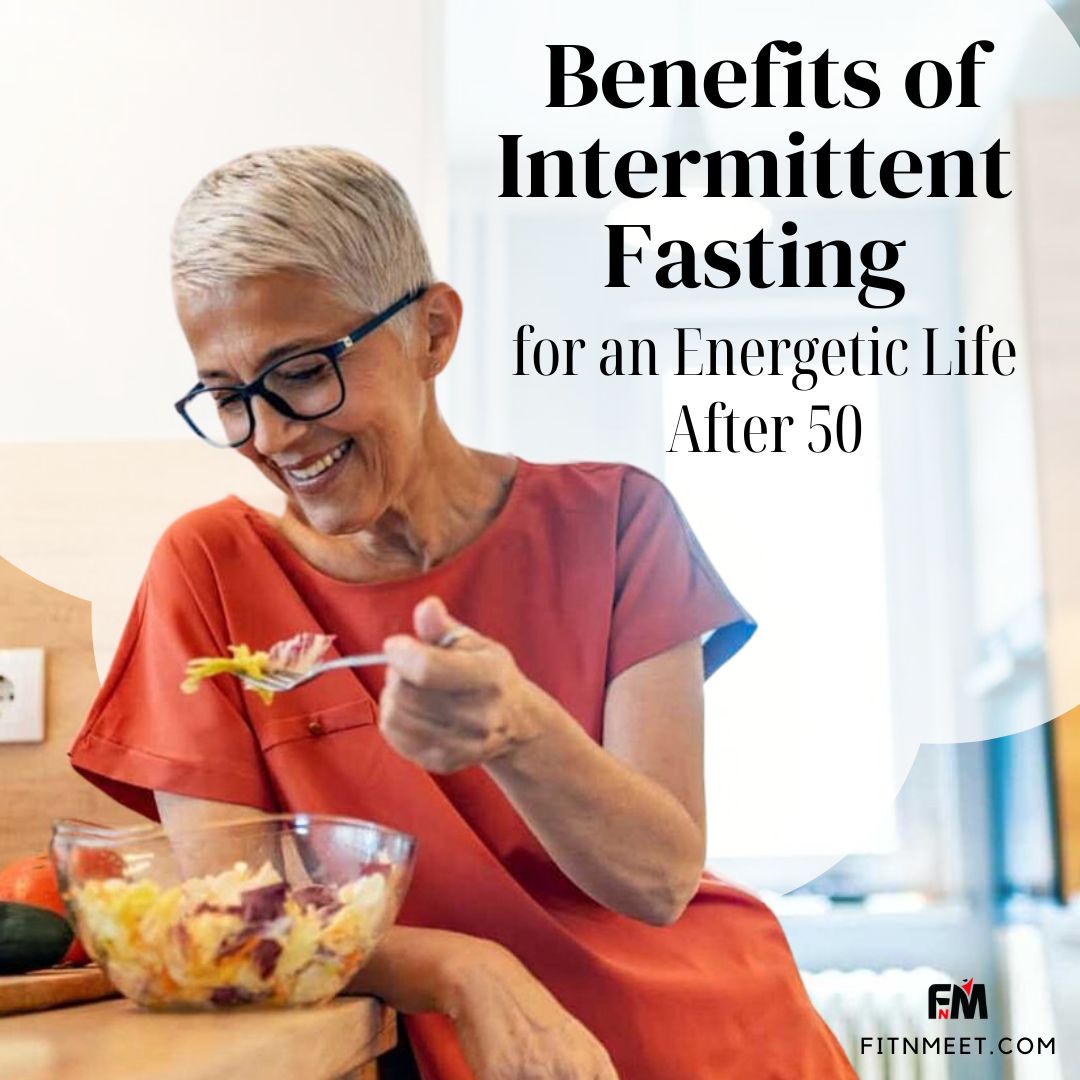
Intermittent fasting has gained traction in recent years, particularly among those over 50. As we age, our metabolism slows, and maintaining a healthy weight becomes increasingly challenging. Intermittent fasting offers a structured approach to eating that can help combat these issues while promoting longevity. In this article, I’ll share my insights into the benefits of intermittent fasting after 50, covering essential sub-topics that many people are curious about, along with answers to frequently asked questions.
Understanding Intermittent Fasting
Intermittent fasting (IF) is not a diet in the traditional sense; rather, it’s an eating pattern that cycles between periods of eating and fasting. There are several methods, including the 16:8 method (16 hours of fasting followed by an 8-hour eating window) and the 5:2 method (eating normally for five days and restricting calories for two).
The appeal of intermittent fasting lies in its simplicity and flexibility. You don’t have to count calories or meticulously track your food intake. Instead, you focus on when to eat, which can lead to a natural reduction in calorie consumption.
Benefits of Intermittent Fasting After 50
Enhanced Metabolism
One of the most significant benefits of intermittent fasting is its effect on metabolism. As we age, our metabolic rate tends to decline, making it easier to gain weight. Research indicates that intermittent fasting can help boost metabolic rates by increasing levels of norepinephrine, a hormone that helps break down fat. This means that even as we age, we can maintain a more efficient metabolism through fasting.
Weight Management and Fat Loss
Weight management becomes crucial after 50, as excess weight can lead to various health issues, including diabetes and heart disease. Intermittent fasting can aid in weight loss by promoting fat burning and reducing insulin levels, which helps the body access stored fat for energy. Many studies have shown that individuals who adopt intermittent fasting tend to lose weight more effectively than those on traditional calorie-restricted diets. Women experiencing hormonal shifts can also explore losing menopause belly fat.
Improved Insulin Sensitivity
Insulin sensitivity often decreases with age, leading to higher blood sugar levels and an increased risk of type 2 diabetes. Intermittent fasting has been shown to improve insulin sensitivity, allowing the body to use insulin more effectively and manage blood sugar levels better. This is particularly beneficial for those over 50, as maintaining stable blood sugar levels is crucial for overall health.
Heart Health
Heart disease remains a leading cause of death among older adults. Intermittent fasting can improve various cardiovascular risk factors, including blood pressure, cholesterol levels, and triglycerides. By reducing inflammation and oxidative stress, fasting can contribute to better heart health, making it a valuable practice for those looking to enhance their cardiovascular well-being.
Brain Health and Longevity
Research suggests that intermittent fasting may have neuroprotective effects, potentially reducing the risk of neurodegenerative diseases such as Alzheimer’s and Parkinson’s. Fasting promotes the production of brain-derived neurotrophic factor (BDNF), a protein that supports neuron growth and function. This is particularly important as we age, as maintaining cognitive function becomes increasingly vital.
Studies in animals have shown that intermittent fasting can extend lifespan, and while more research is needed in humans, the evidence is promising. The mechanisms behind this include improved metabolic health and reduced inflammation, both of which are critical for longevity.
Cellular Repair and Autophagy
Fasting triggers a process called autophagy, where the body cleans out damaged cells and regenerates new ones. This cellular repair process is essential for maintaining health as we age, helping to prevent age-related diseases and promoting overall vitality. By incorporating intermittent fasting into your routine, you can enhance your body’s ability to repair itself.
Popular Methods of Intermittent Fasting
16:8 Method
The 16:8 method is one of the most popular forms of intermittent fasting. It involves fasting for 16 hours and eating during an 8-hour window. This method is relatively easy to adopt, as it often means skipping breakfast and only eating between noon and 8 PM.
5:2 Method
The 5:2 method involves eating normally for five days of the week and restricting calorie intake to about 500-600 calories for two non-consecutive days. This approach can be effective for those who prefer a more flexible eating schedule.
Alternate-Day Fasting
Alternate-day fasting involves alternating between days of normal eating and days of fasting or significantly reduced calorie intake. This method can be more challenging but may yield significant benefits for those who can stick with it. For an even greater challenge, learn how to do a 72-hour fast safely.
Tips for Successful Intermittent Fasting After 50
- Start Slowly: If you’re new to fasting, begin by gradually increasing your fasting window. Start with 12 hours and work your way up to 16.
- Stay Hydrated: Drink plenty of water during fasting periods to stay hydrated and help curb hunger.
- Focus on Nutrient-Dense Foods: When you do eat, prioritize whole, nutrient-dense foods to ensure you’re getting the vitamins and minerals your body needs.
- Listen to Your Body: Pay attention to how your body responds to fasting. If you feel unwell, consider adjusting your fasting schedule or consulting a healthcare professional.
- Combine with Exercise: Incorporating regular physical activity can enhance the benefits of intermittent fasting, supporting weight loss and overall health.
Top 10 FAQs About Intermittent Fasting After 50
1. Is intermittent fasting safe for those over 50?
Yes, intermittent fasting is generally safe for individuals over 50, but it’s essential to consider personal health conditions. Consulting with a healthcare professional before starting is advisable, especially for those with underlying health issues or on medications[1][4].
2. How long should I fast for optimal benefits?
The most common methods are the 16:8 and 5:2 approaches. Starting with a 12-hour fast and gradually increasing to 16 hours can be effective. The key is to find a fasting duration that fits your lifestyle and health goals[2][4].
3. Can I drink coffee or tea during fasting periods?
Yes, black coffee and tea (without sugar or cream) are generally acceptable during fasting periods. They can even enhance fat burning and suppress appetite[1][2].
4. Will intermittent fasting cause muscle loss?
If you maintain adequate protein intake during eating windows, muscle loss can be minimized. Focus on consuming 40-50 grams of protein in your first meal after fasting to support muscle maintenance[4][5].
5. What should I eat during my eating window?
Prioritize nutrient-dense foods, including lean proteins, healthy fats, whole grains, and plenty of fruits and vegetables. This will ensure you meet your nutritional needs and support overall health[1][2]. To personalize your nutrition, choose a diet that fits your fasting window.
6. Can intermittent fasting help with menopause symptoms?
Some studies suggest that intermittent fasting may alleviate menopause symptoms such as insomnia, anxiety, and mood swings by stabilizing hormone levels and improving metabolic health[4][5].
7. How does intermittent fasting affect metabolism?
Intermittent fasting can boost metabolism by increasing norepinephrine levels, enhancing fat oxidation, and improving insulin sensitivity, which collectively support weight management and energy levels[2][4].
8. What are the best intermittent fasting methods for beginners?
The 16:8 method is often recommended for beginners due to its simplicity. The 5:2 method is also a good option, allowing for flexibility in eating patterns[2][5].
9. Can I exercise while fasting?
Yes, you can exercise while fasting, but it’s essential to listen to your body. Some people may feel more energized during fasting, while others may prefer to work out during their eating windows[1][4].
10. How do I know if intermittent fasting is right for me?
Consider your lifestyle, health goals, and how your body responds to fasting. If you have specific health concerns, consult with a healthcare professional to determine if intermittent fasting aligns with your needs[1][2].
Embrace the Journey to Better Health
Intermittent fasting can be a powerful tool for those over 50 looking to improve their health, manage their weight, and promote longevity. By understanding the various methods and benefits of fasting, you can make informed choices that align with your health goals. Complement your fasting routine with mobility exercises for adults over 50.
As you embark on this journey, remember that every individual’s experience with intermittent fasting is unique. It’s essential to listen to your body and adjust your approach as needed. Whether you choose the 16:8 method, the 5:2 method, or another approach, the key is to find what works best for you.
Don’t hesitate to consult with a healthcare professional before starting any new dietary practice, especially if you have underlying health conditions. With the right mindset and support, you can unlock the potential of intermittent fasting to enhance your well-being and vitality as you age.