
As we age, maintaining cognitive health becomes increasingly important. Many older adults face challenges such as memory loss, anxiety, and depression. However, emerging research highlights a fascinating connection between our gut health and brain function. To understand the full picture, explore the power of your gut microbiome and its role in healthy aging.
Exploring the Gut-Brain Axis
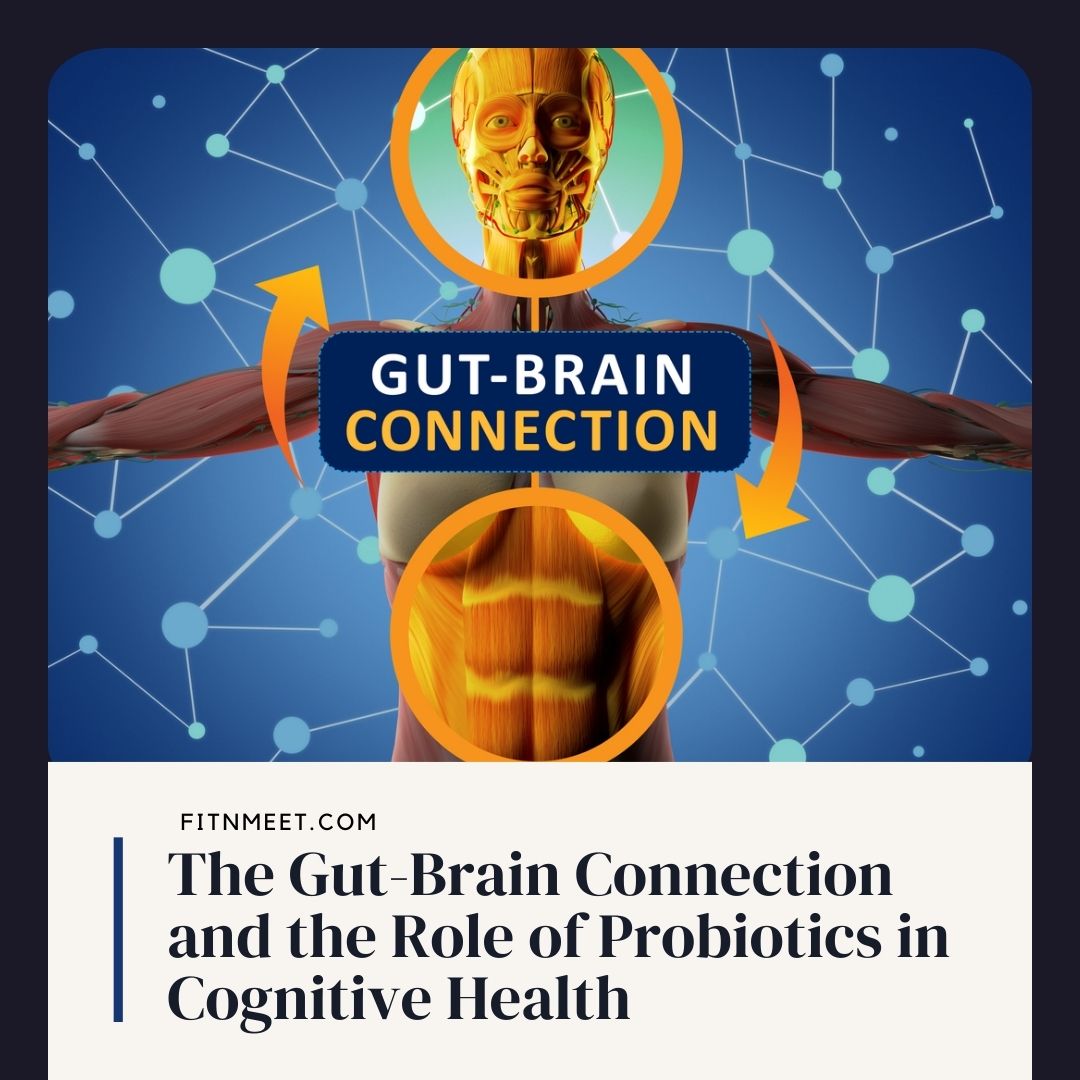
The gut-brain axis is a complex communication network that links the gastrointestinal tract and the brain. This connection involves multiple pathways, including neural, hormonal, and immunological signals. The enteric nervous system (ENS), often referred to as the “second brain,” is a vast network of over 100 million nerve cells lining our gut. This system is responsible for controlling digestion and communicating with the central nervous system (CNS), which includes our brain. The immune signaling arm of this axis is especially important — see how cytokines affect the immune system to understand this piece of the puzzle.
How the Gut Influences the Brain
Research has shown that our gut microbiota—the diverse community of microorganisms residing in our intestines—can significantly affect our mood, cognition, and overall mental health. The gut produces many of the same neurotransmitters as the brain, including serotonin and dopamine. In fact, approximately 90% of serotonin, a key mood regulator, is synthesized in the gut. This means that what happens in our gut can directly impact our brain function and emotional state. Diet-driven damage matters here too — learn how glycation harms brain health and what accelerates cognitive aging.
The Role of Probiotics in Cognitive Health
Probiotics are live microorganisms that, when consumed in adequate amounts, provide health benefits to the host. They are often referred to as “good bacteria” because they help maintain a healthy balance of gut flora. The most commonly studied probiotic strains include Lactobacillus and Bifidobacterium.
How Probiotics Affect Cognitive Function
- Reducing Inflammation: Chronic inflammation in the gut can lead to a leaky gut, allowing harmful substances to enter the bloodstream and potentially affect brain health. Probiotics can help restore gut integrity and reduce inflammation, thereby protecting cognitive function.
- Enhancing Neurotransmitter Production: Probiotics can influence the production of neurotransmitters. Certain strains of Lactobacillus have been shown to increase levels of GABA (gamma-aminobutyric acid), a neurotransmitter that helps reduce anxiety and promote relaxation.
- Balancing the Gut Microbiome: A diverse gut microbiome is essential for optimal health. Probiotics can help restore balance by increasing the abundance of beneficial bacteria, which can positively influence mood and cognitive function.
- Psychobiotics: Some probiotics are specifically categorized as psychobiotics, which are probiotics that have a positive effect on mental health. Research indicates that these psychobiotics can help alleviate symptoms of anxiety and depression.
Scientific Evidence Supporting Probiotics and Cognitive Health
Recent studies have provided compelling evidence of the benefits of probiotics on cognitive health. For instance, a study found that elderly individuals who consumed a probiotic-rich yogurt showed improved cognitive performance compared to those who did not. Another study indicated that participants with mild cognitive impairment experienced enhanced mental flexibility after taking a specific probiotic supplement.
Moreover, probiotics have been linked to improved mood and reduced stress levels. A randomized controlled trial demonstrated that individuals taking probiotics reported lower levels of anxiety and improved overall mood compared to a placebo group.
Dietary Sources of Probiotics
Incorporating probiotics into your diet can be both enjoyable and beneficial. Here are some foods rich in probiotics:
- Yogurt: A classic source of probiotics, yogurt contains live cultures that can enhance gut health.
- Kefir: This fermented milk drink is packed with probiotics and has a tangy flavor.
- Sauerkraut: Fermented cabbage not only provides probiotics but also adds a delicious crunch to meals.
- Kimchi: This spicy Korean dish made from fermented vegetables is a flavorful way to boost your probiotic intake.
- Miso: A fermented soybean paste used in Japanese cuisine, miso is another excellent source of probiotics.
Prebiotics: The Unsung Heroes
While probiotics are essential, prebiotics—non-digestible fibers that feed beneficial gut bacteria—are equally important. By consuming prebiotics, you can enhance the effectiveness of probiotics. Foods rich in prebiotics include:
- Garlic: A flavorful addition to many dishes, garlic is a powerhouse of prebiotic fiber.
- Onions: Similar to garlic, onions are versatile and provide a good source of prebiotics.
- Bananas: A convenient snack, bananas contain prebiotic fibers that support gut health.
- Asparagus: This nutritious vegetable is not only delicious but also rich in prebiotic fibers.
The Future of Probiotics in Cognitive Health
The research surrounding probiotics and cognitive health is still evolving. While the current findings are promising, more extensive human studies are needed to fully understand the mechanisms at play and the potential therapeutic applications of probiotics in mental health.
As we continue to explore the gut-brain connection, it’s clear that maintaining a healthy gut microbiome through diet and probiotics can play a significant role in supporting cognitive health and overall well-being. The same gut-driven processes affect the rest of the body — including gut-driven arthritis inflammation, which shares many of these inflammatory pathways.
FAQs
- What are probiotics, and how do they work?
Probiotics are live microorganisms that provide health benefits when consumed. They help maintain a healthy balance of gut bacteria and can influence various bodily functions, including digestion and immune response.
- Can probiotics improve mood?
Yes, certain probiotic strains have been shown to enhance mood and reduce symptoms of anxiety and depression by influencing neurotransmitter production in the gut.
- How long does it take for probiotics to work?
The effects of probiotics can vary depending on the individual and the specific strain used. Some may notice improvements within a few weeks, while others may take longer to experience benefits.
- Are there any side effects of taking probiotics?
Most people tolerate probiotics well, but some may experience mild digestive symptoms, such as gas or bloating, especially when starting a new probiotic.
- Can I get enough probiotics from food alone?
While many people can obtain sufficient probiotics from fermented foods, some may benefit from supplements, especially if they have specific health concerns.
- How do I choose a good probiotic supplement?
Look for a supplement that contains specific strains known for cognitive health benefits, has a high CFU count, and is backed by clinical research.
- Is it safe to take probiotics every day?
For most people, daily probiotic use is safe and can be beneficial. However, individuals with underlying health conditions should consult a healthcare provider before starting any new supplement.
- Can probiotics help with digestive issues?
Yes, probiotics can help alleviate various digestive issues, including irritable bowel syndrome (IBS), diarrhea, and constipation.
- What foods are high in probiotics?
Fermented foods such as yogurt, kefir, sauerkraut, kimchi, and miso are excellent sources of probiotics.
- How do prebiotics differ from probiotics?
Prebiotics are non-digestible fibers that feed probiotics and help them grow in the gut, while probiotics are live bacteria that confer health benefits when consumed.
By understanding the gut-brain connection and the role of probiotics, we can take proactive steps toward enhancing our cognitive health and overall well-being as we age. Let’s embrace the power of probiotics and nurture our minds through our guts!