
A weight loss pill is any oral medication or supplement marketed to reduce body weight, working through appetite suppression, fat absorption blocking, or metabolism effects. Prescription options produce modest, clinically proven losses of 3–10% of body weight, while most over-the-counter versions lack strong evidence and carry safety concerns.
Weight Loss Pill: Quick Answer
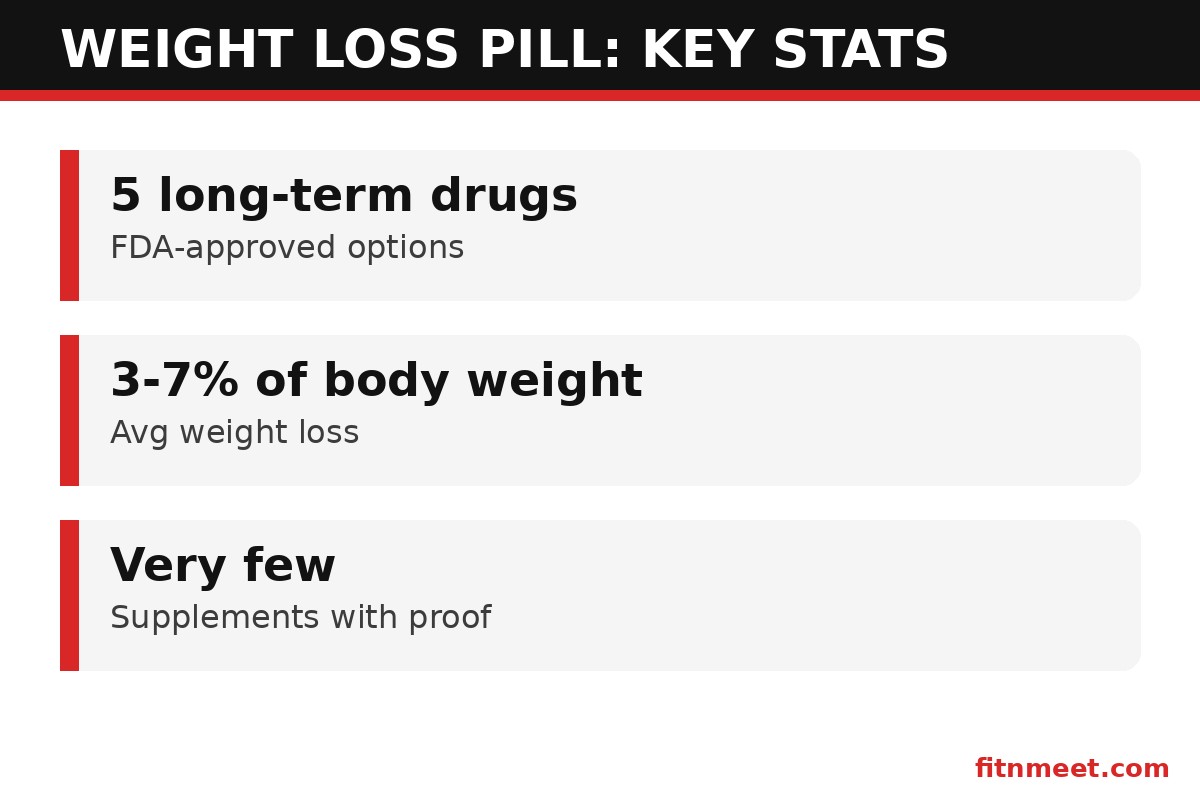
Here is the honest summary before the details. A prescription weight loss pill — such as orlistat, phentermine-topiramate, naltrexone-bupropion, liraglutide, or semaglutide — produces an average loss of 3–10% of starting body weight over a year when combined with lifestyle change, according to FDA trial data. That is meaningful: a 5–10% loss lowers blood pressure, blood sugar, and triglycerides. But none of these pills melts fat on its own, and weight typically returns if the medication stops and habits have not changed.
Over-the-counter weight loss pill products — green tea extract, garcinia, raspberry ketones, “fat burners” — tell a different story. A 2021 review in the journal Obesity found that most OTC weight loss pill ingredients produce less than 2 kg of additional loss versus placebo, often with no statistical significance. The U.S. Government Accountability Office has repeatedly found adulteration and false claims in this category. If you take one message from this guide: the prescription path has evidence and medical supervision; the supplement aisle mostly has marketing.
What Is a Weight Loss Pill?
A weight loss pill is an oral product intended to reduce body weight. The term covers two very different worlds. Prescription weight loss pills are FDA-approved drugs with defined mechanisms, dosing, and safety monitoring: orlistat (blocks ~30% of dietary fat absorption), phentermine-topiramate (suppresses appetite), naltrexone-bupropion (targets hunger and reward pathways), and GLP-1 agonists liraglutide and semaglutide (slow gastric emptying and reduce appetite via gut-brain signaling).
OTC the medication products are dietary supplements — green tea/caffeine blends, fiber-based “carb blockers,” garcinia cambogia, conjugated linoleic acid (CLA), and proprietary “thermogenic” stacks. Under U.S. law, these do not require FDA pre-approval for efficacy or safety; the FDA can only act after harm is reported. That regulatory gap explains why an OTC the medication can promise dramatic results with a tiny-print disclaimer that the claims “have not been evaluated by the FDA.”
Why People Consider a Weight Loss Pill
The appeal is understandable. Roughly 42% of U.S. adults have obesity (CDC, 2020), and sustained weight loss through diet alone fails for most people — meta-analyses show the majority regain lost weight within 3–5 years. A weight loss pill promises to tilt the biology: hunger hormones like ghrelin rise during dieting while satiety hormones fall, creating a physiological headwind that willpower alone rarely beats.
For people with obesity-related conditions — type 2 diabetes, hypertension, sleep apnea — even a 5% weight reduction produces measurable health gains, which is why medical guidelines endorse pharmacotherapy as an adjunct to lifestyle change for BMI ≥30 (or ≥27 with a comorbidity). The key word is adjunct: every major trial showing a the medication working also included diet counseling and exercise prescriptions.
Step-by-Step Guide: The Responsible Path to a Weight Loss Pill
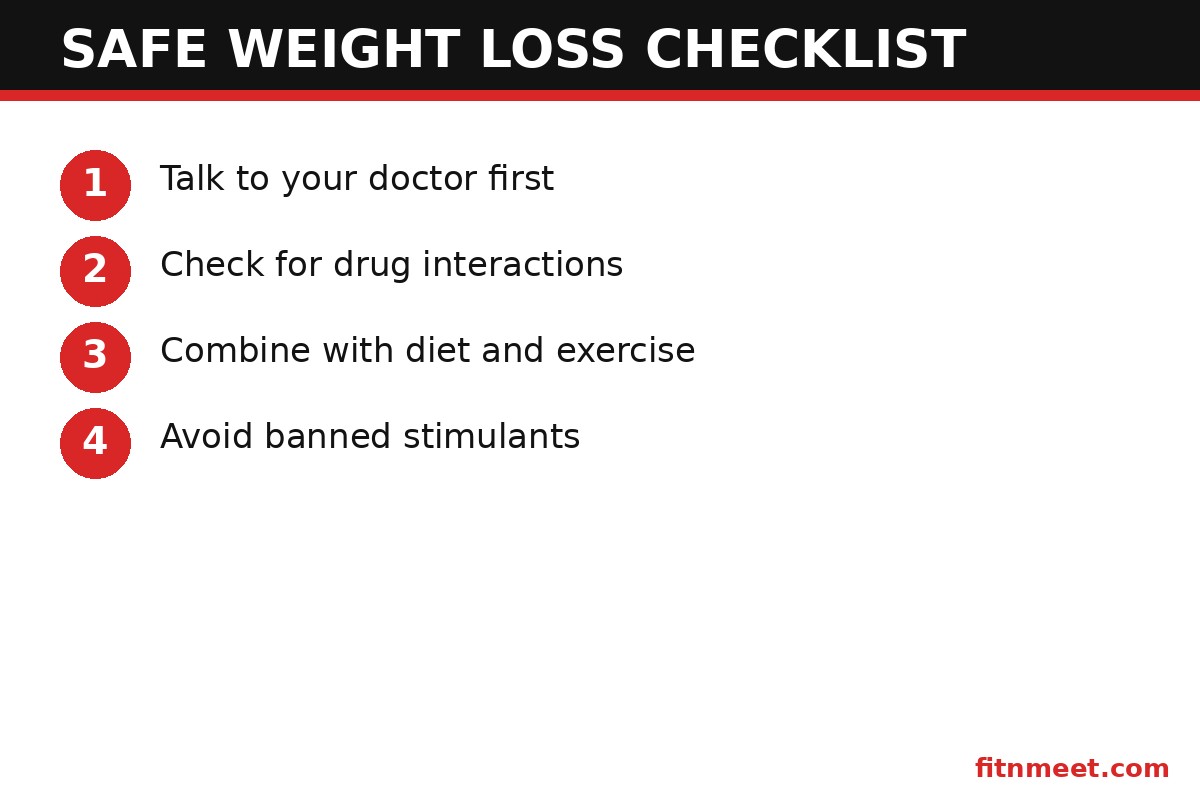
If you are considering a weight loss pill, follow these steps in order — skipping ahead is where most harm happens.
- Step 1: Get a medical baseline.
- Book a primary-care visit; bring your weight history, medications, and any OTC weight loss pill you already take.
- Ask for labs: A1c, lipids, thyroid, and blood pressure — these determine whether medication is even indicated.
- Step 2: Try structured lifestyle change first (12 weeks).
- Track calories honestly for two weeks to find your true maintenance intake.
- Aim for a 500–750 kcal daily deficit through food and 150+ minutes of weekly activity.
- Guidelines recommend attempting lifestyle change before adding a the medication, and many insurers require it.
- Step 3: Discuss prescription options with your doctor.
- Review each FDA-approved the medication: mechanism, expected loss (3–10%), side effects, cost, and contraindications.
- Be honest about eating patterns — binge eating, night eating, and medication interactions change the choice.
- Step 4: If prescribed, start low and monitor.
- Most prescription the medication regimens titrate upward over 4–16 weeks to limit side effects.
- Weigh weekly (not daily), log side effects, and keep follow-up appointments — dose adjustments are normal.
- Step 5: Build the habits the pill cannot build.
- Strength training 2–3x weekly preserves muscle during loss; protein at 1.6–2.2 g/kg helps too.
- Sleep 7–9 hours — short sleep raises ghrelin and can erase a medication’s appetite benefit.
- Step 6: Reassess at 12 weeks.
- Guidelines say: if a prescription the medication has not produced ≥5% loss at 12 weeks on the full dose, stop it and reconsider the plan with your doctor.
Weight Loss Pill Dosage & Usage
Dosing depends entirely on which weight loss pill is prescribed — there is no universal dose, and OTC products have no established effective dose at all. Examples from FDA labeling: orlistat 120 mg three times daily with fat-containing meals; phentermine-topiramate titrated from 3.75/23 mg up to 15/92 mg daily; naltrexone-bupropion titrated over 4 weeks to two tablets twice daily; semaglutide 2.4 mg injected weekly (not a pill, but the most effective current option).
Two usage rules apply to any weight loss pill. First, take it exactly as labeled — doubling an OTC “fat burner” doubles stimulant side effects without doubling fat loss. Second, duration matters: phentermine is approved only for short-term use (≤12 weeks) due to dependence and cardiovascular concerns, while orlistat and the GLP-1 drugs are approved for chronic use with monitoring.
Potential Benefits of a Weight Loss Pill
Realistic, evidence-backed benefits of an effective weight loss pill, always alongside lifestyle change:
- Clinically meaningful loss. 5–10% of body weight with oral prescriptions; up to ~15% with GLP-1 therapy — enough to improve metabolic health markers.
- Diabetes improvement. Orlistat and GLP-1-based therapy lower A1c; the Diabetes Prevention Program showed each kilogram lost cut diabetes risk by 16%.
- Blood pressure and lipids. Modest reductions track with weight lost, reducing cardiovascular risk factors.
- Appetite control. The genuine mechanism of most prescription options — making a calorie deficit tolerable rather than miserable.
For the nutrition and training side of a fat-loss plan, our weight loss collection and sports nutrition range cover protein and workout support that pair with any medically supervised plan. Round out any fat-loss plan with sustainable eating guidance from the FitnMeet nutrition articles.
Mistakes to Avoid With Any Weight Loss Pill
- Expecting the pill to do the work. Trials showing a weight loss pill succeeding all included diet and exercise programs. The pill is a multiplier, not a replacement.
- Stacking stimulants. Combining an OTC weight loss pill with pre-workout, energy drinks, and coffee can push caffeine past 600 mg/day — jitteriness, insomnia, palpitations, and blood pressure spikes follow.
- Ignoring the label’s contraindications. Phentermine with heart disease, orlistat with chronic malabsorption, naltrexone-bupropion with seizure disorders or opioid use — these are hard stops, not suggestions.
- Buying from unregulated sellers. Analyses of online the medication products have found hidden sibutramine, laxatives, and diuretics. If it is not from a pharmacy, do not trust it.
- Quitting lifestyle habits once weight drops. Stopping a the medication without maintained habits leads to regain in most people — plan the maintenance phase from day one.
Weight Loss Pill Comparisons
| Type | Example (generic) | Avg 1-year loss | Evidence quality | Key risks |
|---|---|---|---|---|
| Fat absorption blocker | Orlistat | 3–4% | Strong (FDA trials) | Oily stools, vitamin malabsorption |
| Appetite suppressant combo | Phentermine-topiramate | 7–9% | Strong (FDA trials) | Heart rate, mood, birth defects risk |
| Hunger/reward modulator | Naltrexone-bupropion | 4–5% | Strong (FDA trials) | Nausea, seizure risk |
| GLP-1 agonist (injectable) | Semaglutide 2.4 mg | ~15% | Strongest (STEP trials) | Nausea, GI effects, cost |
| OTC “fat burner” | Caffeine/green tea blends | <2% | Weak | Stimulant effects, contamination |
| OTC “carb blocker” | White kidney bean extract | ~1% | Very weak | Gas, bloating |
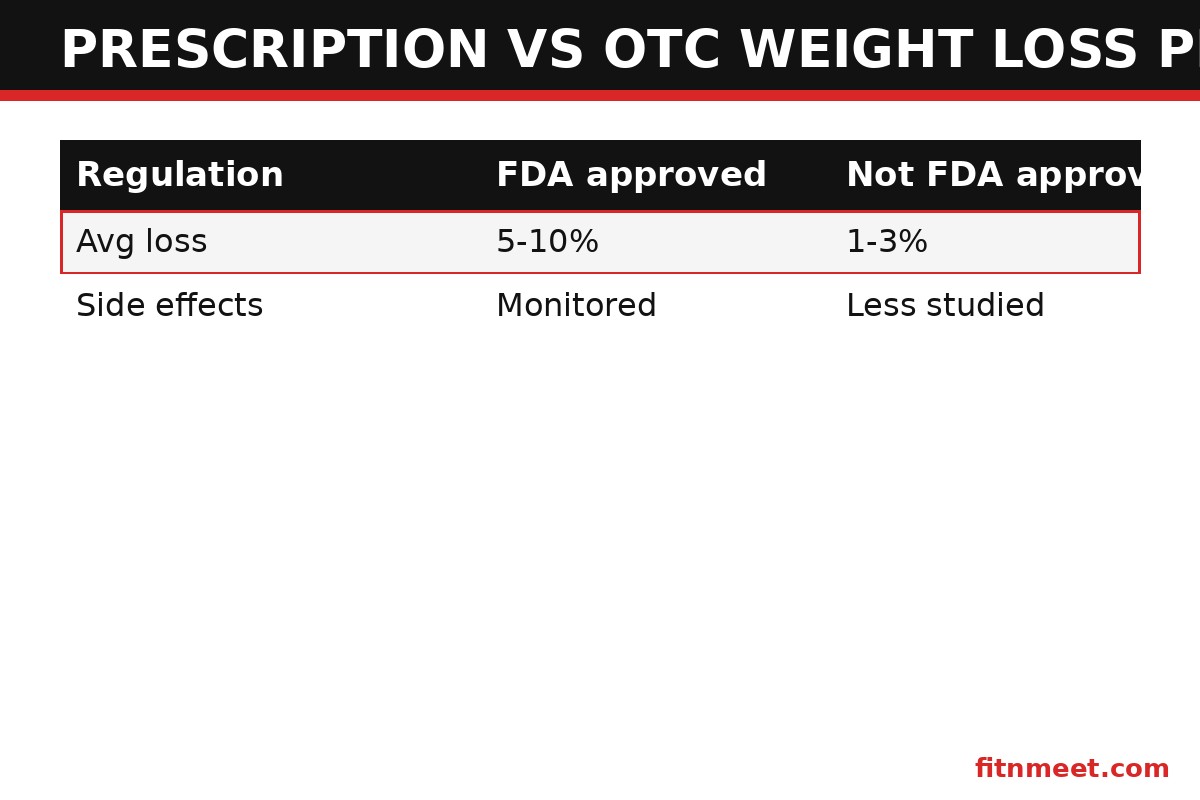
The table makes the hierarchy clear: a prescription weight loss pill delivers 3–15% loss with medical oversight, while OTC versions deliver noise-level results with unmonitored risks. Cost flips the other way — OTC products are cheap, prescriptions can run hundreds per month without coverage.
Weight Loss Pill Side Effects & Safety
Safety profiles differ sharply by category. Prescription weight loss pill options carry known, labeled, monitored risks: orlistat causes oily spotting and flatulence (fat leaving undigested) and requires a daily multivitamin taken 2 hours apart; phentermine can raise heart rate and blood pressure and is contraindicated in cardiovascular disease; naltrexone-bupropion carries a seizure warning; GLP-1 drugs cause nausea in 40%+ of users initially and carry warnings for pancreatitis and thyroid tumors (seen in rodents).
OTC weight loss pill products carry unknown, unlabeled, unmonitored risks. The NIH’s weight-loss supplement fact sheet concludes that evidence for most ingredients is insufficient and safety data are limited. Wikipedia’s overview of anti-obesity medications is a useful neutral starting point for understanding the drug classes. Red flags on any label: “proprietary blend” hiding doses, promises of “30 lbs in 30 days,” or no manufacturer contact information.
Weight Loss Pill FAQs
Do weight loss pills actually work?
Prescription options work modestly: 3-10% of body weight over a year with lifestyle change, up to ~15% with GLP-1 therapy. Most over-the-counter versions show less than 2 kg of extra loss versus placebo in trials. No pill produces major loss without diet and exercise changes.
What is the most effective weight loss pill?
Among oral prescriptions, phentermine-topiramate shows the largest average loss (7-9%). Overall, the injectable GLP-1 drug semaglutide 2.4 mg leads at ~15%. Effectiveness must be weighed against side effects, contraindications, and cost with your doctor.
Are over-the-counter weight loss pills safe?
Their safety is poorly studied and they are not FDA pre-approved. Analyses have found some products adulterated with hidden drugs. Stimulant-based versions can raise heart rate and blood pressure. Treat bold claims with skepticism and talk to a doctor first.
How fast will I lose weight on a weight loss pill?
Expect 0.5-1% of body weight per month with oral prescriptions alongside a calorie deficit. Faster claims are red flags. Guidelines recommend reassessing at 12 weeks: less than 5% loss on the full dose means stopping and revising the plan.
Do I need a prescription for a weight loss pill?
The effective, evidence-backed options require a prescription and medical supervision. Anything sold without one is a dietary supplement with weak evidence. Be wary of websites selling prescription-strength products without a prescription.
Will I regain weight after stopping?
Usually yes, unless eating and activity habits have permanently changed. Trials show most people regain a large share of lost weight within a year of stopping medication. Plan maintenance habits from the start, not as an afterthought.
Can a weight loss pill replace exercise?
No. Every successful trial combined medication with diet and activity. Exercise preserves muscle during weight loss, improves insulin sensitivity independently of weight, and is the strongest predictor of keeping weight off long-term.
Conclusion
A weight loss pill can be a legitimate tool — but only the prescription kind, only with medical supervision, and only as an adjunct to the diet, training, and sleep habits that do the real work. Expect 3–10% loss with oral prescriptions, reassess at 12 weeks, and plan maintenance from day one. Skip the supplement-aisle versions: weak evidence, unknown safety, and marketing louder than data.
If you are building the lifestyle foundation that makes any plan work, start with FitnMeet — our weight loss collection and shop cover the protein, nutrition, and training staples that support sustainable fat loss.
This article is for informational purposes only and is not medical advice. Consult a healthcare professional before starting any supplement or weight loss medication.