
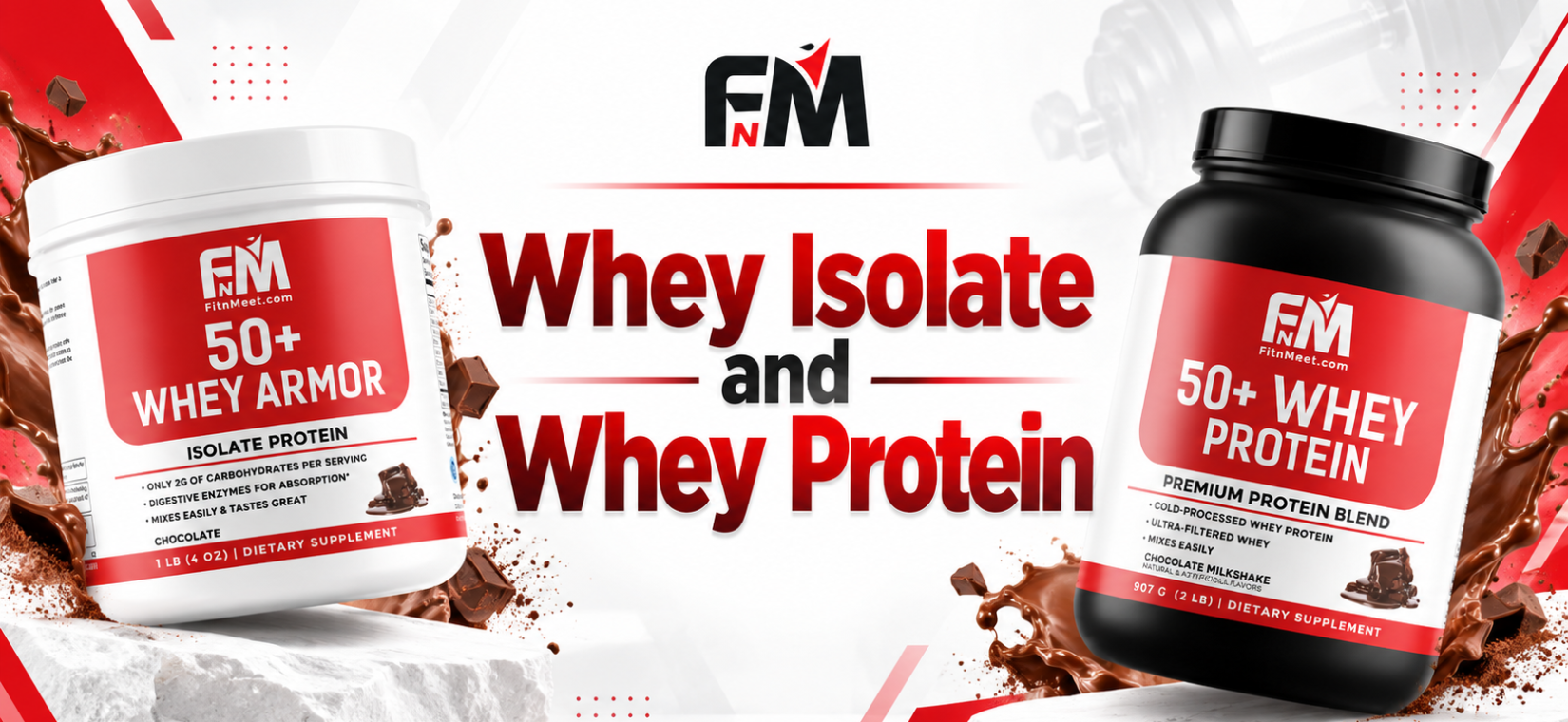
Whey isolate and whey protein are often confused: whey protein usually means whey concentrate, while whey isolate is a more filtered form. Isolate contains 90-plus percent protein with minimal lactose and fat, versus about 80 percent in concentrate. Isolate costs more and suits lactose-sensitive lifters; concentrate offers better value for everyone else.
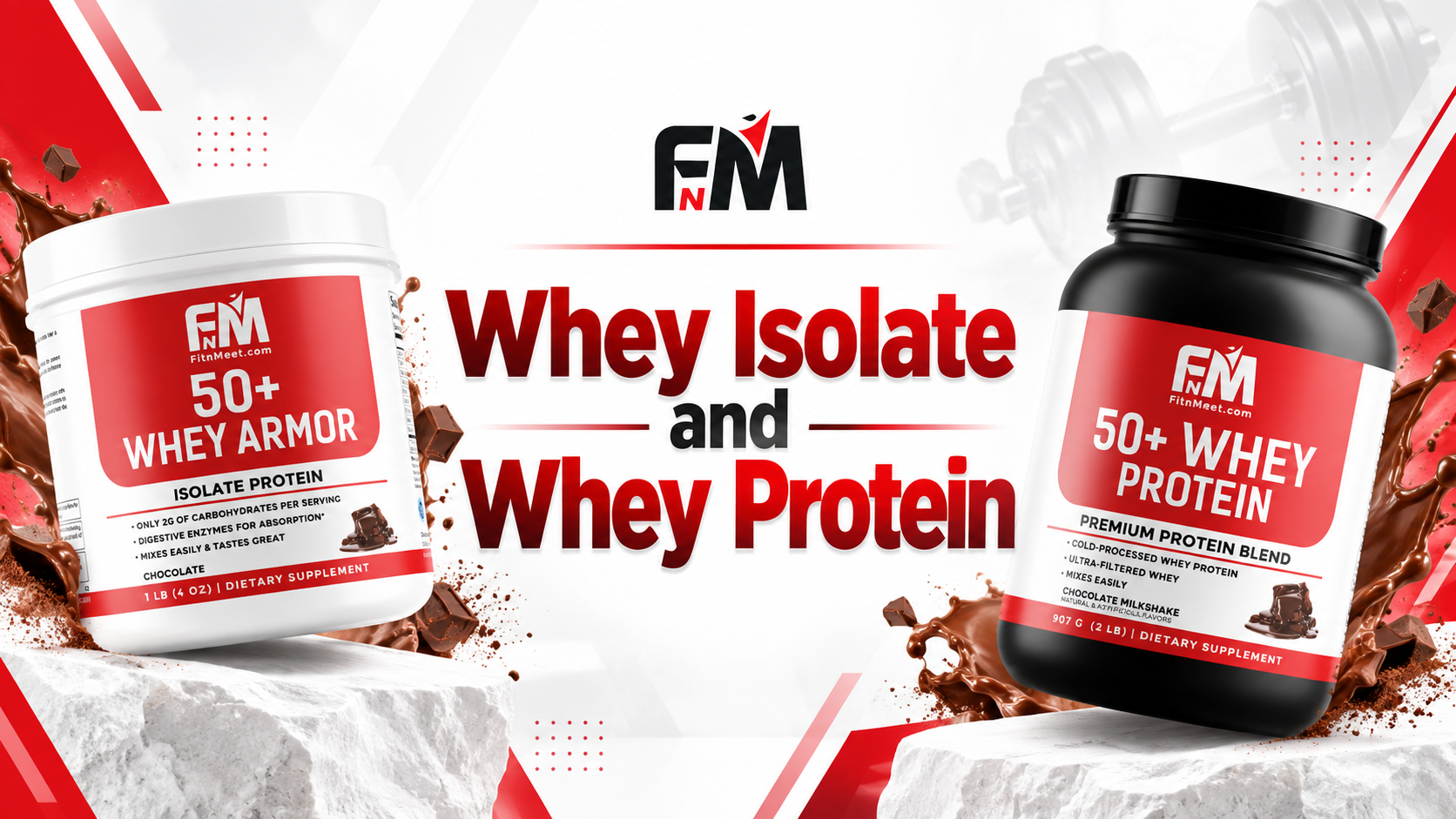
Whey Isolate and Whey Protein in 30 Seconds
In 30 seconds: Whey isolate and whey protein come from the same source — milk. Isolate is more filtered: 90%+ protein, near-zero lactose, faster absorption, higher price. Concentrate is less filtered: 70–80% protein, some lactose/fat, lower price, slightly better taste. Muscle-building results in studies are virtually identical when protein dose is matched. Bottom line: buy concentrate unless lactose bothers you or you are in a strict cut.
Fast Facts
- Protein per 30 g scoop: isolate ~27 g · concentrate ~22–24 g
- Lactose: isolate <1% · concentrate 3–5%
- Leucine (key muscle trigger): ~2.5–2.7 g per 25 g protein in both
- Price per serving: isolate typically 30–50% more than concentrate
- Digestion speed: isolate slightly faster; both are “fast” proteins vs casein
- Muscle-building difference: negligible in studies when dose is matched
What Are Whey Isolate and Whey Protein?
When cheese is made, milk separates into curds (which become cheese) and liquid whey. That liquid is filtered, dried, and turned into powder — this is “whey protein.” The question of whey isolate and whey protein differences comes down to how much filtering happens:
- Whey protein concentrate (WPC): the base form — filtered enough to reach 70–80% protein, retaining some lactose, fat, and bioactive compounds (immunoglobulins, lactoferrin).
- Whey protein isolate (WPI): filtered further (via microfiltration or ion exchange) to 90%+ protein, stripping out nearly all lactose and fat.
- Whey protein hydrolysate (WPH): pre-digested (enzymatically broken) for fastest absorption — used in medical formulas and premium sports products, at the highest price.
Q: Is whey isolate “purer” or healthier than whey protein?
A: It is purer in the narrow sense of protein percentage — but “healthier” is the wrong frame. Concentrate retains beneficial milk compounds (lactoferrin, immunoglobulins) that isolate filtering removes. Neither is unhealthy; they are optimized for different priorities (purity vs value vs bioactives).
All forms share whey’s core nutritional strengths: a complete amino acid profile, the highest leucine content of any common protein source (~11% leucine by weight), and rapid digestion — blood amino acids peak roughly 60–90 minutes after a whey shake vs 3–4 hours for casein. The Wikipedia article on whey protein details the production methods and compositional standards.
Q: Why does whey isolate cost more?
A: Extra filtration steps, lower yield per liter of milk, and more processing energy. You are paying for the removal of lactose and fat — worth it if you need that removal, a luxury tax if you do not.
Benefits: What Does the Research Say?
Does whey isolate build more muscle than whey protein?
When total protein is matched, studies find no meaningful difference in muscle growth between whey isolate and whey protein (concentrate). A 2017 trial comparing the two over 8 weeks of resistance training found equivalent gains in lean mass and strength. The leucine content per gram of protein is nearly identical — isolate just delivers slightly more protein per scoop.
Is whey isolate better for fat loss?
Marginally, on paper: fewer calories per gram of protein (roughly 110 vs 130 kcal per 30 g scoop). In practice, a 20 kcal difference per shake is noise against a daily diet — diet adherence decides fat loss, not whey filtration level. Where isolate genuinely helps cutting: lactose-sensitive dieters who bloat from concentrate and then misattribute it to “not leaning out.”
Which is better for lactose intolerance?
Whey isolate, clearly. At <1% lactose, most lactose-intolerant individuals tolerate isolate fine, while concentrate’s 3–5% lactose triggers symptoms in sensitive people. This is the single strongest reason to choose isolate in the whey isolate and whey protein debate.
Do the bioactives in concentrate matter?
Possibly, modestly. Lactoferrin and immunoglobulins in less-filtered whey have shown immune-supporting properties in preliminary research. The evidence is not strong enough to choose concentrate for bioactives, but it is a legitimate tiebreaker if price and lactose are equal for you.
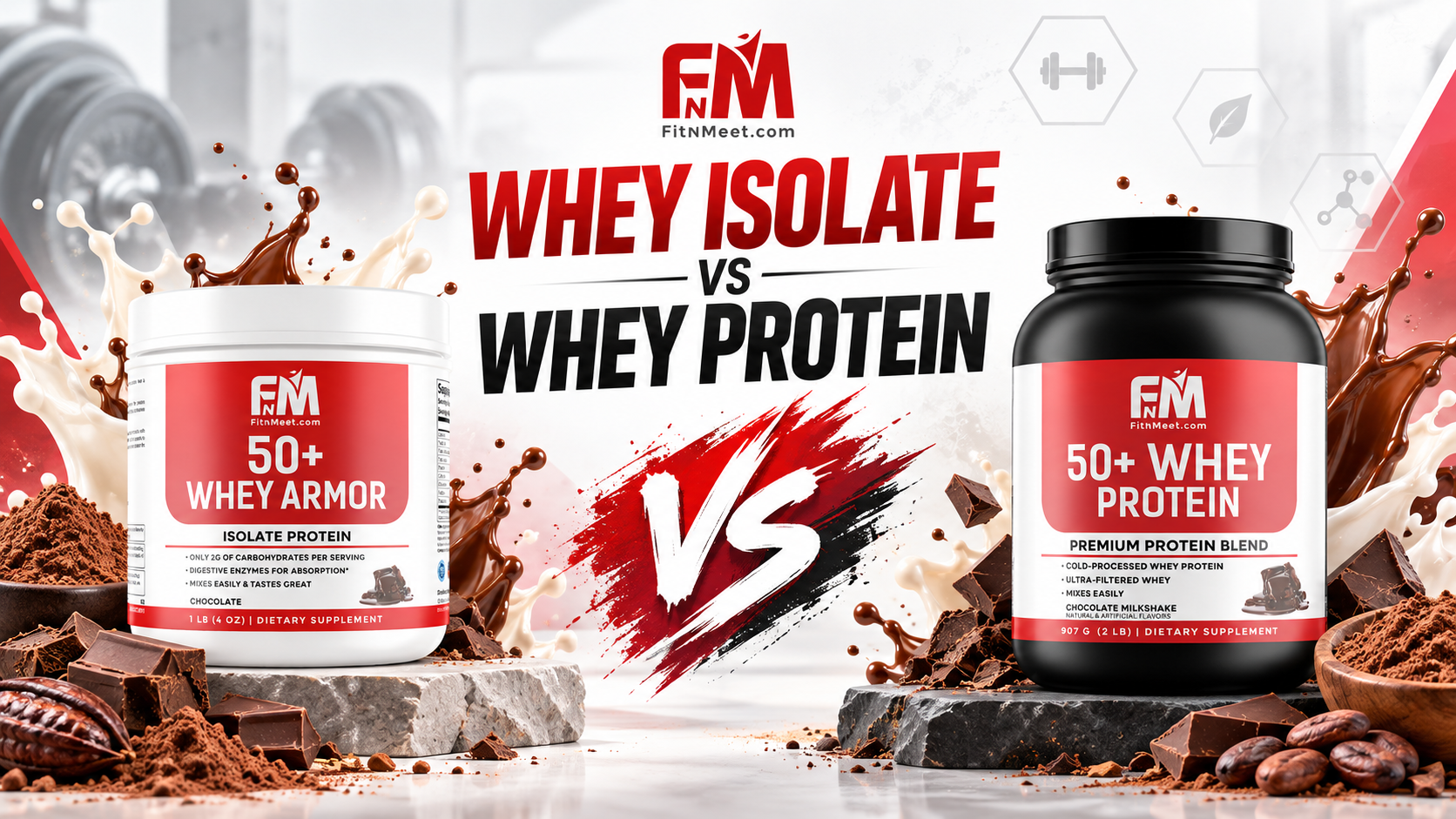
How to Use Whey Isolate and Whey Protein
Q: How much should I take?
A: One scoop (20–30 g protein) post-workout is the standard. Total daily protein matters more than timing: aim for 1.6–2.2 g per kg of bodyweight from all sources. For more on fueling training beyond protein, browse the FitnMeet sports nutrition range.
Q: When is the best time?
A: Post-workout within a couple of hours is the sensible default, but the “30-minute anabolic window” is overstated — total daily intake drives ~90% of results. Morning shakes help people who undereat protein at breakfast.
Q: Isolate or concentrate — how do I actually decide?
A: Ask three questions in order: (1) Does regular whey upset your stomach? Yes → isolate. (2) Are you in a strict calorie-tracked cut where 20 kcal/scoop matters? Yes → isolate. (3) Otherwise → concentrate, and spend the savings on more total protein or creatine.
Q: Can I mix it with anything?
A: Water (fewest calories), milk (more protein + calories + taste), or blended into oats and smoothies. Avoid boiling liquids — extreme heat denatures the protein (safe but clumpy and less pleasant).
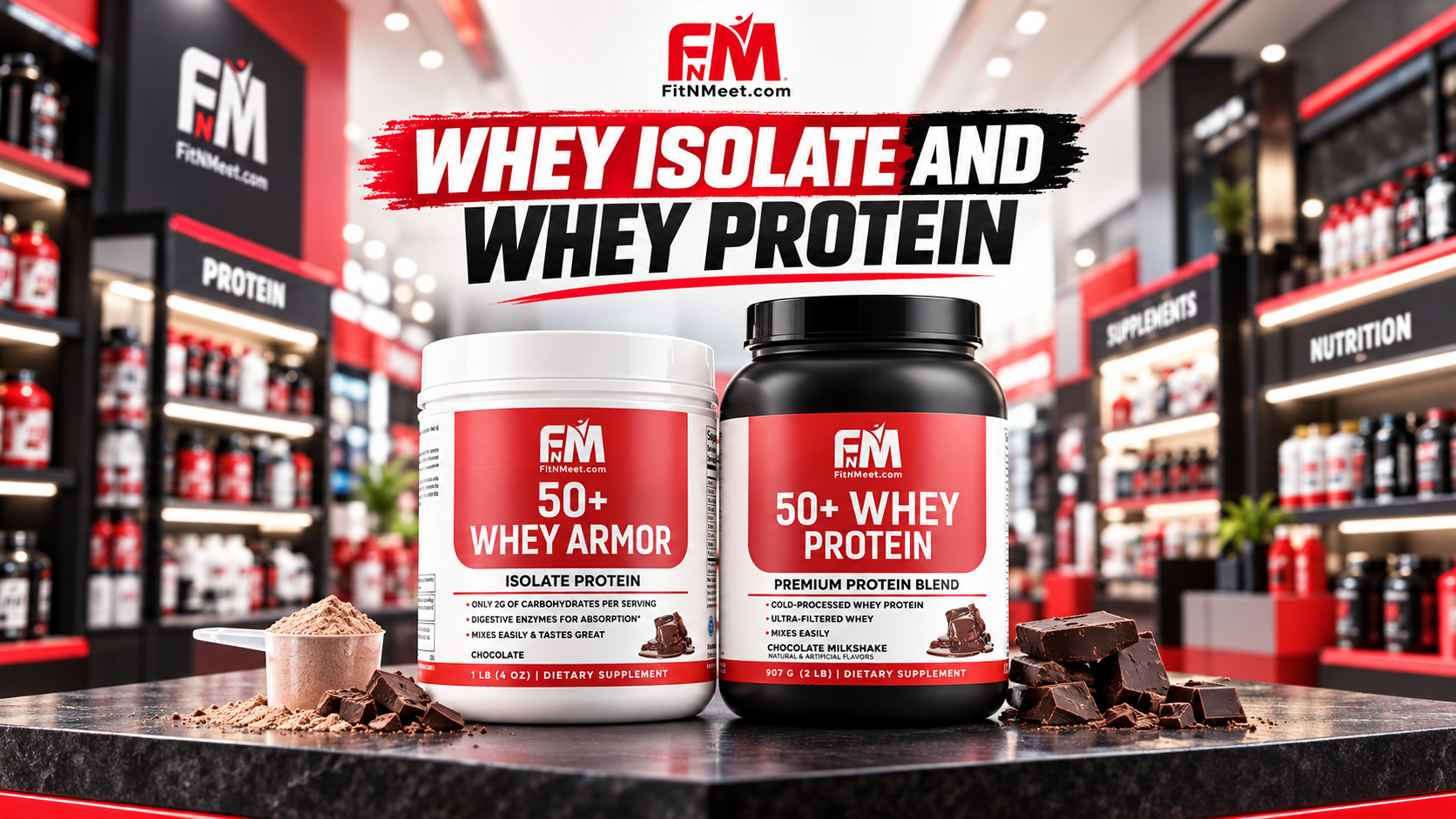
Explore real options in FitnMeet’s protein collection — including whey protein isolate for the lactose-conscious and value picks like whey isolate chocolate formulas.
People Also Ask
Can I take whey isolate and whey protein together?
Yes — many lifters keep both: concentrate for daily shakes (better taste, lower cost) and isolate for cutting phases or travel. There is no interaction issue; they are the same protein at different filtration levels.
Which tastes better: whey isolate or whey protein?
Concentrate usually wins taste tests — the retained milk fat carries flavor better. Isolate can taste thinner or slightly bitter, especially unflavored. Flavor systems vary hugely by manufacturer, so reviews of the specific product matter more than the category.
Is whey isolate worth the extra money?
Only if you need what it offers: near-zero lactose, minimal fat/carbs, or maximum protein per calorie. For a lactose-tolerant lifter on a normal diet, the 30–50% price premium buys no measurable extra muscle — spend it on more training food instead.
Does whey protein cause acne or bloating?
Bloating is usually lactose (switch to isolate) or sugar alcohols in flavored products. The whey-acne link is anecdotal and inconsistent in research — if you suspect it, trial 4 weeks on isolate or a non-dairy protein and compare.
Whey Isolate vs Concentrate vs Hydrolysate: Compared
| Factor | Whey isolate | Whey protein (concentrate) | Whey hydrolysate |
|---|---|---|---|
| Protein content | 90%+ | 70–80% | 80–90% (pre-digested) |
| Lactose | <1% | 3–5% | <1% |
| Fat/carbs per scoop | ~0.5 g / ~1 g | ~2 g / ~3 g | ~1 g / ~2 g |
| Absorption speed | Fast | Fast | Fastest |
| Taste | Thinner | Creamier | Often bitter |
| Price | $$$ | $ | $$$$ |
| Best for | Lactose-sensitive, strict cuts | Most lifters, best value | Medical needs, elite budgets |
Q: What would a sports dietitian actually recommend?
A: Concentrate for ~80% of clients — the value is unbeatable and results are equivalent. Isolate for the lactose-sensitive, the contest-prep strict, and anyone who has tested both and digests isolate noticeably better. Hydrolysate almost never, outside clinical settings.
Safety & Side Effects
- General safety: whey is a milk food fraction — safe for healthy adults at normal supplemental doses (20–50 g/day). High protein intakes are safe for healthy kidneys; the “protein damages kidneys” myth comes from misapplied kidney-disease research.
- Digestive issues: almost always lactose (concentrate) or additives — switching to isolate or unflavored versions resolves most complaints.
- Allergies: true milk allergy (immune response to milk proteins) is different from lactose intolerance — anyone with milk allergy must avoid all whey forms entirely.
- Contaminant quality: choose third-party tested products (NSF, Informed Choice) — independent testing has found heavy metal traces in some bargain proteins. The FDA’s dietary supplement pages explain current labeling oversight.
- Medication notes: whey can modestly reduce absorption of certain antibiotics and thyroid medication — separate by 2–4 hours, as with most supplements.
More Quick Answers on Whey Isolate and Whey Protein
Q: Does heavier filtration strip out nutrients from whey isolate and whey protein?
A: Filtration removes lactose, fat, and some bioactive fractions (immunoglobulins, lactoferrin) — but the amino acids themselves, including all-important leucine, survive intact. The protein quality (biological value ~104 for both) is essentially unchanged by filtration level.
Q: I have heard whey isolate and whey protein spike insulin — is that bad?
A: Whey is insulinogenic (it raises insulin notably), which is actually useful post-workout — insulin helps shuttle amino acids into muscle. In healthy people this is a feature, not a bug. Those managing blood sugar should simply count the shake within their meal plan like any food.
One last practical note on whey isolate and whey protein shopping: ignore front-of-tub claims like “50 g protein matrix” and read the nutrition panel’s protein-per-scoop line plus the ingredient list. A short ingredient list (whey, flavoring, sweetener, lecithin) beats a long one every time, regardless of which filtration level you choose.
Full FAQ
What is the difference between whey isolate and whey protein?
Whey isolate is filtered to 90%+ protein with almost no lactose or fat; standard whey protein (concentrate) is 70-80% protein with small amounts of lactose and fat. Both come from milk whey and have nearly identical amino acid profiles — isolate is purer per scoop, concentrate is cheaper and often tastier.
Which is better for building muscle: whey isolate or whey protein?
Neither, meaningfully. Studies matching total protein intake find equivalent muscle and strength gains from whey isolate and whey protein concentrate over 8-12 week training programs. Total daily protein (1.6-2.2 g/kg) and training consistency matter far more than filtration level.
Is whey isolate better for lactose intolerance?
Yes — this is isolate’s clearest advantage. With under 1% lactose versus 3-5% in concentrate, most lactose-intolerant people tolerate whey isolate without symptoms. If regular whey protein causes bloating or gas, switching to isolate is the first fix to try.
How much whey protein should I take per day?
One scoop (20-30 g protein) post-workout covers most needs as a supplement. Your total daily target from all food plus shakes is 1.6-2.2 g per kg of bodyweight for muscle building. More than ~50 g/day from shakes alone is unnecessary for most people eating adequate whole-food protein.
Can whey isolate and whey protein be taken together?
Yes. Many lifters use concentrate for daily shakes (better value and taste) and isolate during cutting phases or when traveling. They are the same underlying protein at different filtration levels, so there is no interaction concern in combining them.
Is whey protein safe for kidneys?
In healthy adults, high protein intakes including whey do not damage kidneys — the concern comes from misapplying research on pre-existing kidney disease, where protein is restricted. People with diagnosed kidney disease should follow their doctor’s protein guidance, as with any protein source.
Conclusion
So: whey isolate and whey protein are the same protein wearing different filters. Isolate wins on purity and lactose; concentrate wins on price, taste, and retained bioactives; muscle-building studies call it a draw. Run the 3-question decision test, buy accordingly, and put the money you save (if you choose concentrate) toward the things that actually move the needle — consistent training and enough total daily protein.
Ready to choose? Browse FitnMeet’s protein collection for quality whey isolate and whey protein options with transparent labels and third-party testing.
This article is for informational purposes only and is not medical advice. Consult a healthcare professional before starting any supplement.