
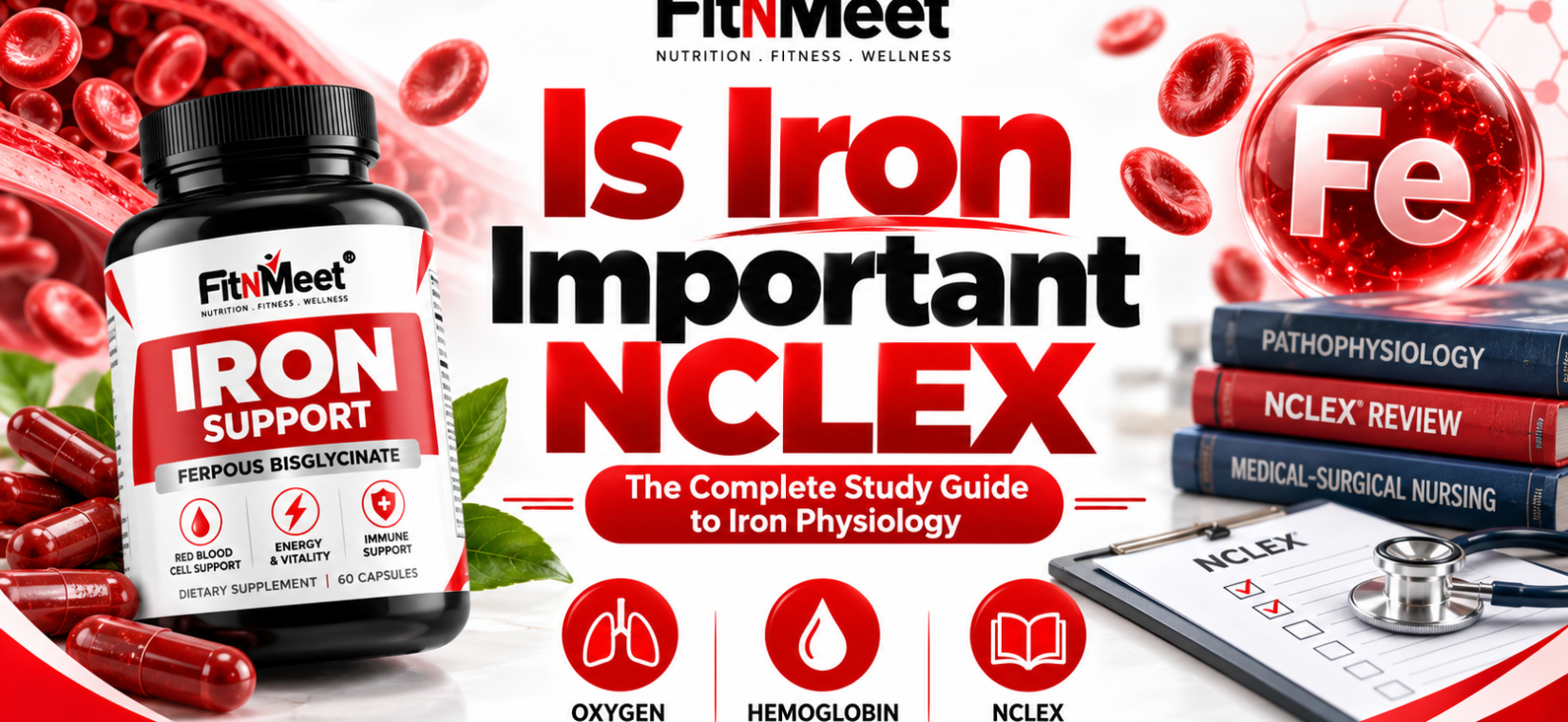
Why is iron important NCLEX is a common nursing exam question testing iron’s role in hemoglobin and oxygen transport. Iron deficiency causes microcytic anemia, fatigue, and pallor; key NCLEX points include giving iron on an empty stomach, avoiding antacids, and teaching patients that stools turn dark. It appears frequently in pharmacology and nutrition questions.
It’s 2 a.m. in the library, exam in 36 hours, and Maya keeps mixing up which mineral goes with which anemia. Then her practice question appears: “A client with iron deficiency anemia asks why iron matters. What is the nurse’s best response?” She stares at four answers that all sound right. This guide is the chapter Maya wishes she’d read first — the full story behind “why is iron important NCLEX,” told the way the exam actually tests it.
What Iron Does in the Body
Maya’s first breakthrough came from a single image: iron sitting at the center of the heme molecule like a jewel in a ring. That picture answers “why is iron important NCLEX” better than any flashcard. Here’s the physiology:
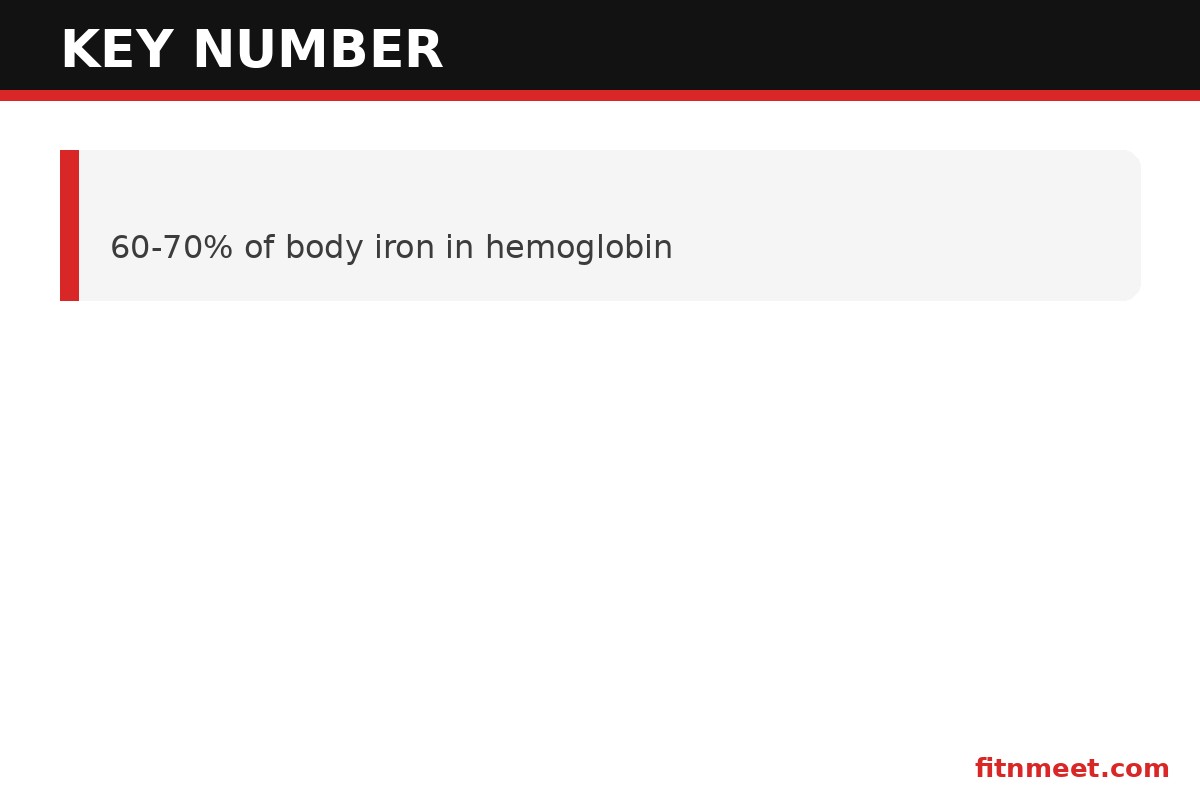
- Oxygen transport. Each hemoglobin molecule contains 4 heme groups, each holding 1 iron atom — and each iron atom binds 1 oxygen molecule. With ~270 million hemoglobin molecules per red blood cell, iron is literally the handle your blood uses to carry oxygen. No iron, no grip, no delivery.
- Myoglobin storage. Iron also anchors myoglobin, the oxygen reservoir in muscle tissue. This is why iron-deficient clients feel muscle fatigue and weakness long before lab values crash.
- Energy production. Iron is a cofactor in the electron transport chain — the mitochondrial machinery that makes ATP. Low iron doesn’t just reduce oxygen delivery; it cripples the cell’s ability to use what oxygen arrives.
- Enzyme function and immunity. Iron-dependent enzymes drive DNA synthesis, neurotransmitter production, and immune cell proliferation. This is the “why is iron important NCLEX” answer behind the questions about impaired wound healing and infection risk in anemic clients.
The hemoglobin molecule is where every NCLEX iron question begins. If Maya can explain that iron = the oxygen-binding core of hemoglobin, she can reason her way through half the iron items on the exam.
Why Iron Matters Clinically
On clinical rotations, Maya met Mr. Alvarez, 68, admitted with fatigue and shortness of breath. Labs: hemoglobin 9.1 g/dL, MCV 72 fL (microcytic), ferritin low. Diagnosis: iron deficiency anemia — the most common nutritional deficiency worldwide, affecting an estimated 1.6+ billion people. To answer why is iron important NCLEX candidates must connect the lab values to the lived symptoms:
- Fatigue and weakness — less hemoglobin means less oxygen to muscles and brain. The #1 presenting complaint.
- Pallor, especially conjunctival and nail-bed — the classic bedside assessment finding the NCLEX loves to test.
- Shortness of breath and tachycardia on exertion — the heart compensates for thin blood by pumping faster.
- Pica — cravings for ice, clay, or starch. A weird, memorable, highly testable symptom unique to iron deficiency.
- Koilonychia (spoon-shaped nails), cheilitis, and restless legs — the “bonus” signs that separate passing students from top scorers.
- Cognitive effects — iron deficiency in children impairs cognitive development; in adults it dulls concentration. Iron in pediatric and maternity contexts is heavily tested — classic “why is iron important NCLEX” territory.
Key Benefits of Adequate Iron
Maya flipped the question — instead of memorizing deficiency, she listed what sufficient iron gives a client. This is the benefits angle of the “why is iron important NCLEX” question:
- Normal energy and exercise tolerance. Adequate iron keeps hemoglobin in range (12–16 g/dL women, 14–18 g/dL men), so tissues get the oxygen activity demands.
- Healthy pregnancy outcomes. Pregnancy raises iron needs dramatically (27 mg/day) to support expanded blood volume and fetal growth. For “why is iron important NCLEX” purposes, iron supplementation in prenatal care is constantly tested — maternal anemia links to preterm birth and low birth weight.
- Cognitive performance. Iron supports dopamine synthesis and myelination; correcting deficiency improves attention and work capacity — a favorite “why is iron important NCLEX” pediatric angle.
- Immune competence. Iron-replete clients mount stronger immune responses and heal wounds faster; deficiency raises infection risk.
- Thermoregulation and work productivity. Even subclinical deficiency reduces work capacity — the reason iron fortification programs exist worldwide.
For the full micronutrient picture, see our complete guide to vitamins A, B, C, D and E.
How Iron Works: Absorption to Hemoglobin
Maya’s study group turned iron metabolism into a five-stop journey — the story format behind every “why is iron important NCLEX” question on absorption and transport:
Stop 1 — Intake: heme vs non-heme sources
Dietary iron arrives in two forms. Heme iron (meat, poultry, fish) is absorbed at 15–35% efficiency. Non-heme iron (beans, lentils, spinach, fortified cereals) is absorbed at only 2–20%. This single difference explains half of all “why is iron important NCLEX” diet-teaching questions.
Stop 2 — Absorption in the duodenum
Iron is absorbed in the duodenum and upper jejunum. Stomach acid converts ferric iron to the absorbable ferrous form — which is why clients on proton-pump inhibitors or post-gastrectomy absorb iron poorly (a sneaky “why is iron important NCLEX” connection). Vitamin C dramatically enhances non-heme absorption; calcium, tannins (tea/coffee), and phytates inhibit it.
Stop 3 — Transport via transferrin
Absorbed iron binds transferrin in the blood for delivery to the bone marrow. Low transferrin saturation (<16%) is an early deficiency marker that “why is iron important NCLEX” prep may drop into a lab-values question.
Stop 4 — Hemoglobin synthesis in the marrow
In red-cell precursors, iron joins protoporphyrin to form heme, which joins globin chains to make hemoglobin. This step needs B6, B12, folate, and copper as supporting players — deficiencies in any of them can mimic or compound iron problems.
Stop 5 — Recycling
The body is thrifty: macrophages recycle iron from worn-out red cells (lifespan ~120 days), covering most daily needs. Only ~1–2 mg/day must come from diet — which is exactly why chronic slow blood loss (heavy menses, GI bleeding) eventually bankrupts iron stores.
For the complete nutrient reference behind these numbers, see the NIH Office of Dietary Supplements iron fact sh
eet — the authoritative source for RDAs, food sources, and deficiency data.
For a closer look at how a related mineral is absorbed, see our zinc picolinate absorption guide.
Dosage: RDA and Supplementation
Maya’s preceptor drilled her: “The NCLEX doesn’t ask you to prescribe — it asks you to teach.” Here’s the dosage story every why is iron important NCLEX student must know: For quick answers to common supplement questions, check the FitnMeet FAQ.
| Population | RDA (mg/day) | NCLEX teaching point |
|---|---|---|
| Adult men (19+) | 8 | Lowest adult requirement; deficiency usually means blood loss |
| Women 19–50 | 18 | Menstrual losses drive the higher need |
| Pregnant clients | 27 | Prenatal vitamins include iron; teach compliance |
| Lactating clients | 9 | Needs drop after delivery |
| Infants 7–12 mo | 11 | Iron-fortified cereal at ~6 months; cow’s milk before 12 months risks deficiency |
| Children 1–3 yrs | 7 | Limit milk to 16–24 oz/day — excess milk displaces iron-rich foods |
Iron supplementation: the NCLEX teaching script
- Take on an empty stomach (1 hour before or 2 hours after meals) for best absorption — but with a small snack if GI upset occurs. “Why is iron important NCLEX” tests this trade-off.
- Take with vitamin C (or orange juice) to boost absorption of non-heme iron.
- Separate from antacids, calcium, dairy, tea, and coffee by at least 2 hours.
- Expect dark stools and constipation — normal, harmless, and the #1 reason clients quit. Teach fiber, fluids, and activity.
- Liquid iron can stain teeth — give through a straw and rinse the mouth.
- Keep iron locked away from children — iron overdose is a leading cause of pediatric poisoning death. This is a standalone “why is iron important NCLEX” safety question.
Because high-dose zinc can deplete copper, read our zinc and copper balance guide.
Women of childbearing age who can’t consistently reach 18 mg of iron from food can close the gap with a women’s multivitamin with iron taken daily, kept two hours away from calcium, tea, or coffee.
What to Watch For: Deficiency and Toxicity
Every good story needs stakes. For iron, the stakes run both directions — and “why is iron important NCLEX” questions test both deficiency and toxicity:
Deficiency: the slow slide
Iron deficiency progresses in stages: depleted stores (low ferritin, normal hemoglobin) → iron-deficient erythropoiesis → frank iron deficiency anemia (low hemoglobin + microcytic indices). Early stages are silent, which is why at-risk clients need screening, not symptoms, to trigger action. Red-flag histories: heavy menstrual bleeding, frequent blood donation, GI blood loss, bariatric surgery, and exclusive cow’s-milk diets in toddlers.
Toxicity: the fast crisis
Iron has no active excretion pathway — the body can’t dump excess. Acute iron poisoning (usually children swallowing tablets) unfolds in phases: initial GI upset and vomiting, a deceptive quiet period, then shock, metabolic acidosis, and liver failure. NCLEX must-know: keep iron in childproof containers, and treat any pediatric ingestion as an emergency — activated charcoal doesn’t bind iron well, so whole-bowel irrigation and the chelator deferoxamine enter the picture.
Chronic overload
Hemochromatosis (genetic iron overload) and transfusion-related overload damage the liver, heart, and pancreas over years. The NCLEX occasionally tests the teaching point: clients with hemochromatosis should avoid iron supplements and vitamin C megadoses.
Heme vs Non-Heme Iron Compared
| Factor | Heme Iron | Non-Heme Iron |
|---|---|---|
| Sources | Red meat, poultry, fish, shellfish | Beans, lentils, spinach, fortified cereals, dried fruit |
| Absorption rate | 15–35% | 2–20% |
| Affected by vitamin C | Minimally | Greatly enhanced |
| Affected by tea/coffee/calcium | Slightly | Strongly inhibited |
| NCLEX diet teaching | “Eat meat” is the simple fix | “Pair with vitamin C, away from tea/dairy” |
| Vegetarian relevance | N/A | Primary source — needs 1.8x the RDA |
The story’s moral: heme iron is the efficient, forgiving source; non-heme iron works fine but demands strategy. When a “why is iron important NCLEX” question asks Maya to pick the best dietary advice for an iron-deficient client, the winning answer almost always involves either heme sources or vitamin-C-paired non-heme sources — never iron-rich foods served with tea. Beyond the exam, readers fixing their own iron intake can browse iron-support formulas in the FitnMeet shop.
Plant-based eaters often need extra support, so see our multivitamins for plant-based diets.
This article is for informational and exam-preparation purposes only and is not medical advice. Clinical decisions should follow current guidelines and provider orders. Consult a healthcare professional for personal health questions.
Why Is Iron Important: NCLEX Frequently Asked Questions
Why is iron important for the NCLEX?
Iron is important because it forms the oxygen-binding core of hemoglobin — without iron, red blood cells cannot carry oxygen, causing microcytic anemia with fatigue, pallor, and pica. The NCLEX tests iron across lab interpretation, diet teaching, prenatal care, pediatrics, and medication administration. Bottom line for “why is iron important NCLEX” review: iron = hemoglobin = oxygen delivery.
What are the signs of iron deficiency anemia the NCLEX tests?
Fatigue and weakness, pallor (conjunctiva, nail beds), shortness of breath and tachycardia on exertion, pica (ice or clay cravings), koilonychia (spoon nails), cheilitis, restless legs, and impaired cognition. Labs show low hemoglobin, low MCV (microcytic), and low ferritin. Memorize these as a cluster — they’re the classic “why is iron important NCLEX” sign set.
How should a nurse teach a client to take iron supplements?
Take on an empty stomach (1 hour before or 2 hours after meals) with vitamin C or orange juice to boost absorption; separate from antacids, calcium, dairy, tea, and coffee by 2 hours. Warn about dark stools and constipation, suggest fiber and fluids, and keep iron locked away from children. This teaching script is the most-tested “why is iron important NCLEX” medication item.
What foods are highest in iron for NCLEX diet questions?
Heme iron sources (red meat, poultry, fish) are absorbed best at 15-35%. Non-heme sources include beans, lentils, spinach, fortified cereals, and dried fruit, absorbed at 2-20% — pair them with vitamin C foods and serve away from tea, coffee, and dairy for maximum uptake. Diet-teaching items are where “why is iron important NCLEX” meets nutrition.
Why do pregnant clients need more iron?
Pregnancy raises the RDA to 27 mg/day to support expanded maternal blood volume and fetal growth. Maternal iron deficiency anemia is linked to preterm birth and low birth weight, so prenatal vitamins include iron and the NCLEX tests teaching about compliance and absorption. Prenatal iron is a staple “why is iron important NCLEX” maternity topic.
What is the danger of iron for children on the NCLEX?
Acute iron poisoning from swallowed tablets is a leading cause of pediatric poisoning death — it causes GI damage, then shock, metabolic acidosis, and liver failure. The NCLEX priority teaching point is prevention: store iron in locked, childproof containers and treat any ingestion as an emergency. Safety items like this are high-yield “why is iron important NCLEX” questions.
Does vitamin C help iron absorption?
Yes — vitamin C significantly enhances non-heme iron absorption by keeping iron in its absorbable ferrous form, which is why nurses teach clients to take iron with orange juice. Conversely, calcium, tannins in tea and coffee, and antacids inhibit absorption and must be separated by about 2 hours.
Conclusion: Maya’s Answer, and Yours
Back in the library, Maya finally answers her practice question — “why is iron important NCLEX” — in three layers: because iron sits at the heart of hemoglobin, and hemoglobin carries the oxygen every cell needs — that’s the physiology. Because deficiency brings fatigue, pallor, and pica while adequacy protects pregnancies, growing brains, and healing wounds — that’s the clinical story. And because the nurse’s job is teaching: vitamin C with, antacids away, dark stools are normal, lock it away from kids — that’s the NCLEX answer. Learn the story behind “why is iron important NCLEX,” not just the facts, and iron becomes one of the easiest topics on the exam. Keep studying with the FitnMeet health guides, support your nutrition with the FitnMeet vitamins collection, and explore more in the FitnMeet nutrition library.