
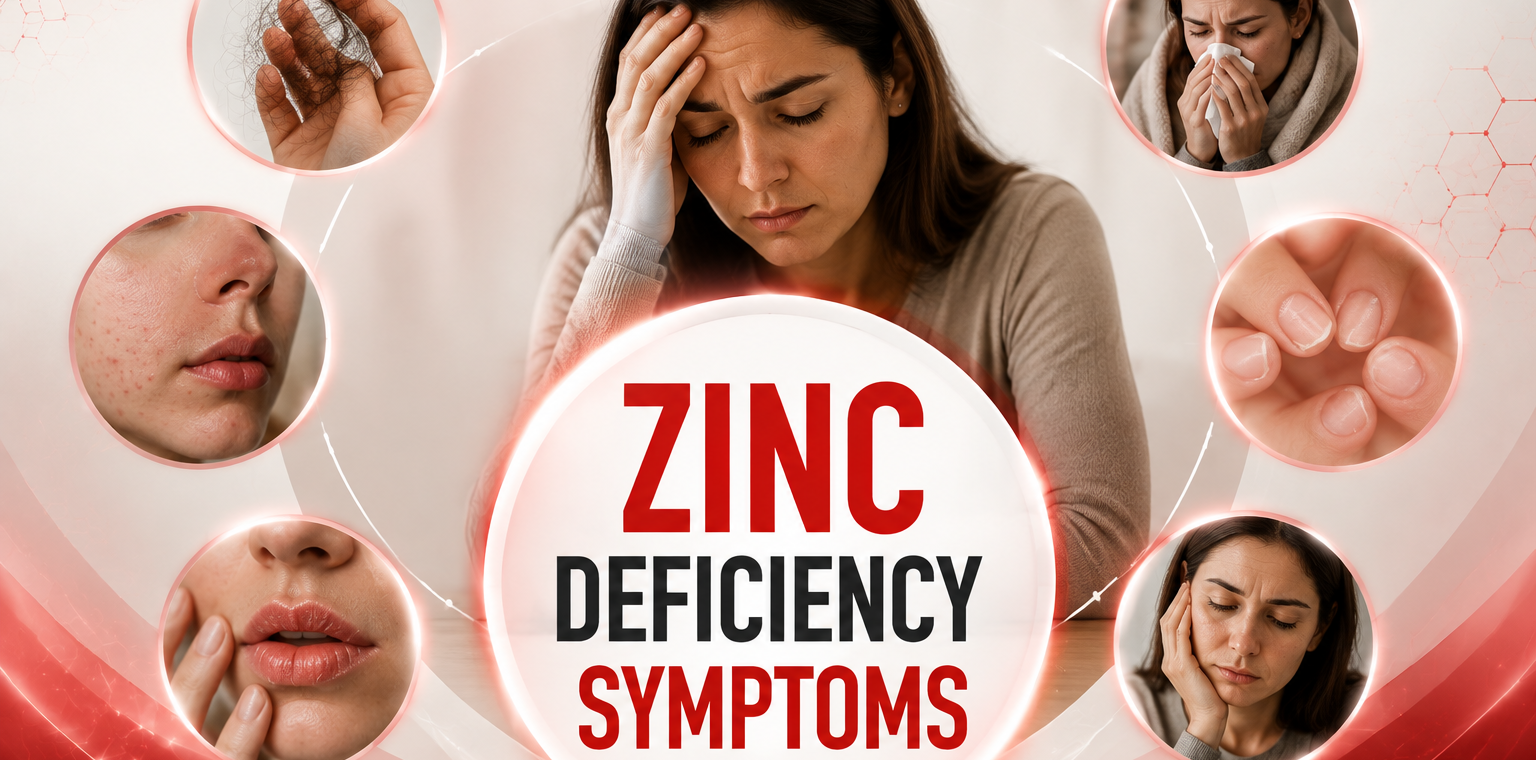
Your sense of taste has gone flat. Cuts that used to heal in a week are still open after ten days. You’ve caught two colds this winter already, and it’s only November. None of these things scream “mineral deficiency” on their own — which is exactly why zinc deficiency is so easy to miss.
Unlike iron deficiency, which makes you feel tired and turns your skin pale and sends you running to the doctor, zinc is not so visible. It shows up as a hodgepodge of lesser ailments all over your skin, your stomach, your immune system and even your emotions. Most people have typically suffered with Zinc Deficiency Symptomsfor months before connecting the dots.Zinc doesn’t announce itself the way iron deficiency does, with obvious fatigue and pale skin that sends people straight to a doctor. It shows up as a scattered collection of smaller problems across your skin, your gut, your immune system, and even your mood. By the time most people connect the dots, they’ve often lived with symptoms for months.
This guide walks through what the actual clinical literature says about zinc deficiency: the Zinc Deficiency Symptoms by severity and age group, who’s actually at risk, how it’s diagnosed, and what fixing it really involves. No miracle-mineral hype, no invented statistics — just what the research and major medical references actually document.
What Zinc Actually Does in Your Body
Zinc is a trace mineral, which means your body only requires it in little amounts, but those small amounts are extremely important. It is a cofactor for hundreds of enzymes and has a direct role in immunological function, wound healing, DNA synthesis, cell growth and division, and taste and smell perception. Zinc also influences mucosal integrity throughout the digestive tract and is important for optimal growth and development in youngsters..
Because zinc touches so many systems, deficiency doesn’t produce one clear symptom. It produces a pattern spread across the body, and that pattern is the real diagnostic clue.
Early Zinc Deficiency Symptoms
Early or mild deficiency tends to show up subtly, which is exactly why it gets missed or blamed on stress, aging, or a passing cold.
Loss of appetite. This is one of the earliest and most consistent signs described in clinical references, including the Merck Manual. It’s easy to write off as “just not that hungry lately,” especially during busy or stressful periods.
Reduced sense of taste and smell. Zinc plays a direct role in taste bud function, and impaired taste (hypogeusia) is well documented in zinc-deficient patients. Food starts tasting muted or bland, not gone entirely, which makes it easy to dismiss.
Feeling sluggish or irritable. Vague fatigue and low mood are common early complaints. On their own, they mean almost nothing diagnostically — but combined with the other signs here, they matter.
Mild skin changes. Zinc deficiency is associated with rashes that can resemble eczema, along with general skin dryness and slower healing of minor cuts or scrapes.
If you’re noticing two or three of these together, especially the appetite and taste changes, it’s worth mentioning to a doctor rather than waiting for something more dramatic.
Moderate to Severe Zinc Deficiency Symptoms
Left unaddressed, or in more significant deficiency, the picture becomes clearer and harder to ignore.
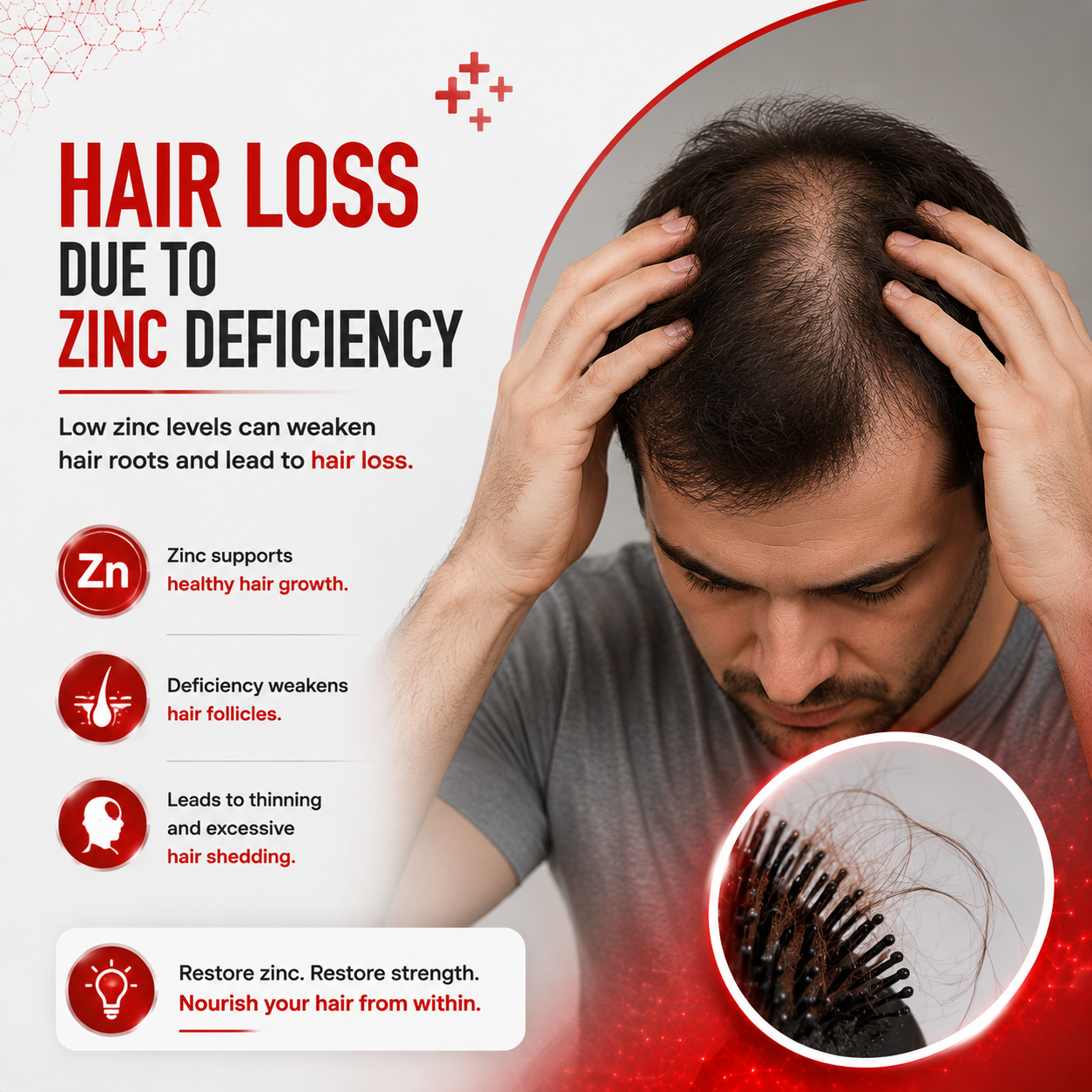
Zinc Deficiency Symptoms Hair loss (alopecia).
Zinc deficiency can cause diffuse hair thinning or, in more pronounced cases, hair loss in patches. This is one of the more visible signs and one reason zinc deficiency sometimes gets confused with other causes of hair loss.For Hair Growth support you can visit the site.
Delayed wound healing. Zinc is needed for cell division and tissue repair, so if you are deficient in zinc, the healing process will be greatly delayed. Minor wounds that would normally close within a week or two linger much longer.
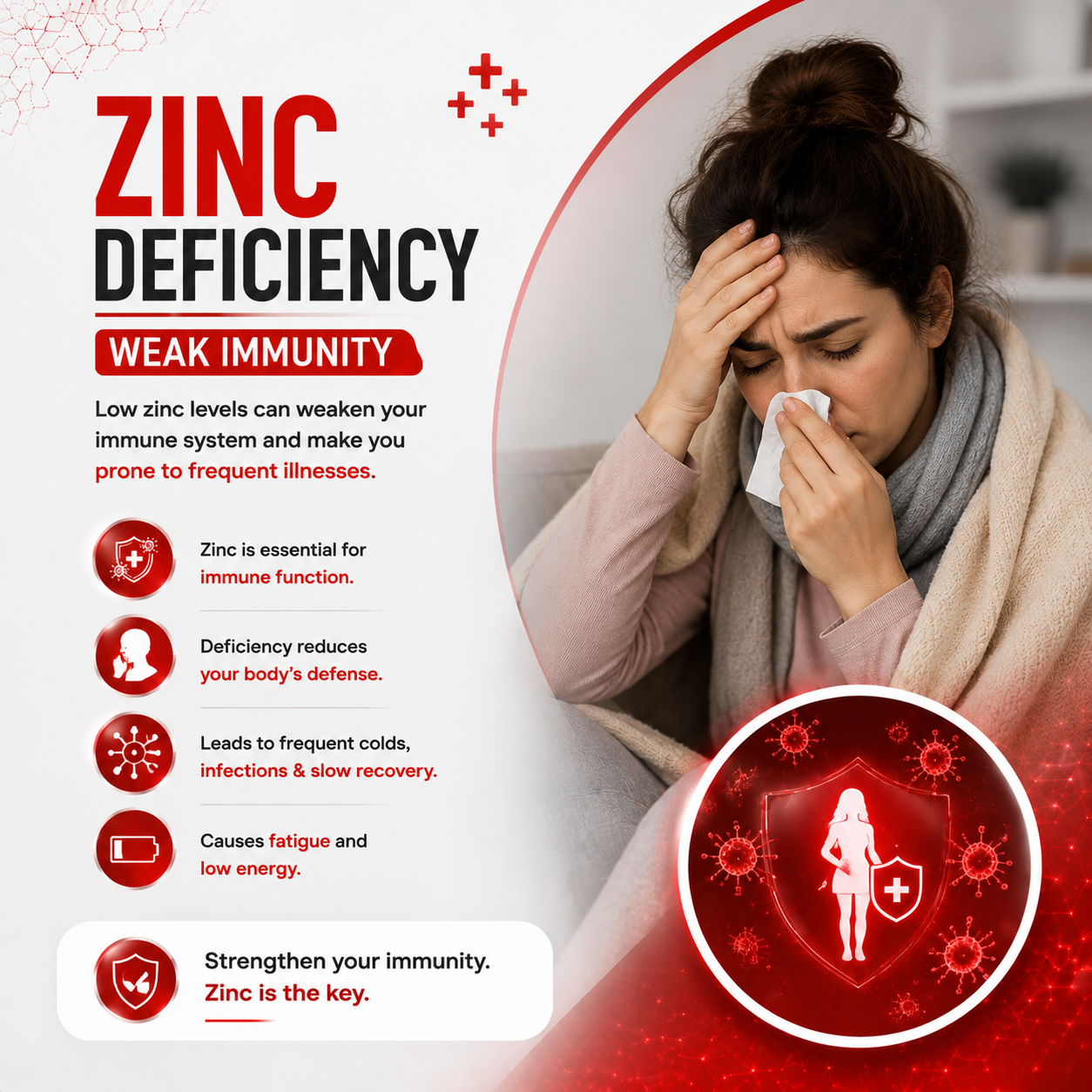
Frequent infections and weakened immunity.Zinc is needed for optimal immune cell function. Without it you are more prone to infections. People with low zinc levels typically find they get sick more often or take longer to recover than normal.
Diarrhea, especially in children. Chronic diarrhea is a recognized symptom of zinc deficiency and is significant enough that zinc supplementation is a standard part of diarrhea treatment protocols in children in many parts of the world, according to global health guidance.
Skin conditions beyond mild rash.More serious examples could be dermatitis, stomatitis (inflammation of the mouth) and the inherited disease acrodermatitis enteropathica, which causes severe skin sores because the body is unable to absorb zinc at all.
Cognitive and neurosensory effects. Zinc insufficiency has been connected to, in particular, changes in cognitive and psychological function in the elderly. This is an active topic of research and not a diagnosis in itself, but it is a documented association worth knowing about, especially if you are observing cognitive changes in aging relatives.
Reduced fertility and sexual development issues. In men, zinc deficiency has been associated with reduced sperm production. In children and adolescents, chronic deficiency can delay puberty and slow growth, since zinc is essential for normal development.
Anemia. Zinc deficiency has been documented alongside anemia in clinical case reports, and the relationship appears to run in both directions — zinc deficiency can worsen iron-deficiency anemia by interfering with iron absorption, and the two often coexist in the same patient.
Zinc Deficiency Symptoms by Age Group
Zinc Deficiency Symptoms don’t look identical across the lifespan, and this is a detail a lot of general articles skip over.
Zinc Deficiency Symptoms In Infants and Children
Growth delays, diarrhea, and hair loss are the hallmark signs in this age group. Because zinc is essential for normal growth, a child with unexplained slowed growth or persistent diarrhea should be evaluated for zinc status, particularly if diet is restrictive or there’s an underlying malabsorption condition.
Zinc Deficiency Symptoms In Adults
Appetite loss, taste and smell changes, skin rashes, slower wound healing, and increased susceptibility to infection dominate the adult presentation. Fatigue and irritability often accompany these but rarely appear alone.
Zinc Deficiency Symptoms In Older Adults
This population is more susceptible to deficiency than younger adults and deficiency is more subtle, especially in the homebound and in long-term care facilities. In addition to the more generic Zinc Deficiency Symptoms above, cognitive and psychological changes are a prominent aspect unique to this age group.
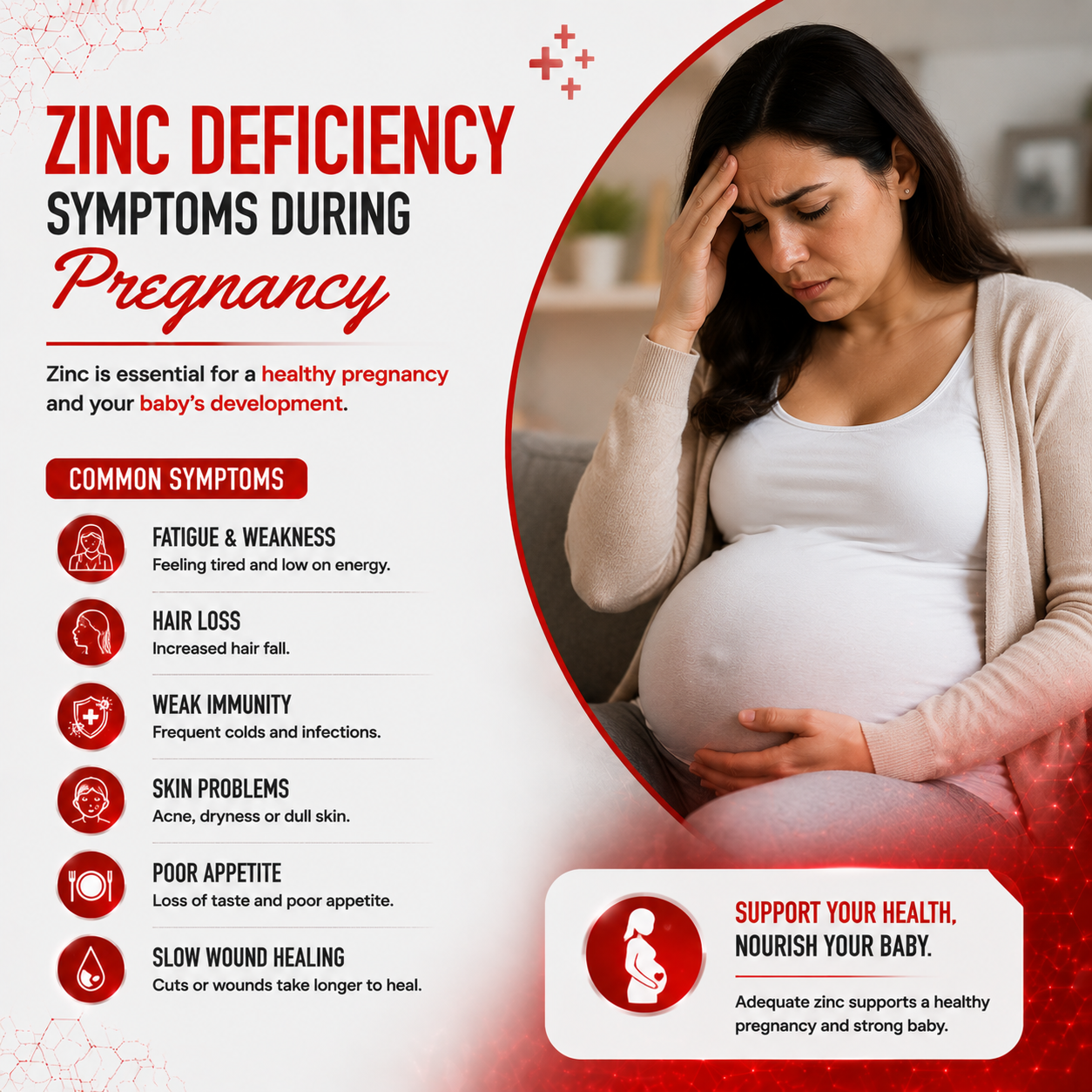
Zinc Deficiency Symptoms In Pregnant Women
NIH advice says zinc deficiency in pregnancy linked to higher risk of maternal problems and bad birth outcomes This makes zinc level a significant factor in prenatal treatment, not merely a general wellness afterthought.
What Causes Zinc Deficiency
The reason is important since it determines the fix. Three broad categories exist.
Dietary Causes
Not eating enough zinc-rich foods is the most straightforward cause, though it’s genuinely uncommon in populations with regular access to a varied, balanced diet. It becomes more likely with:
- Vegetarian or vegan diets, since plant-based zinc sources are less bioavailable
- High intake of phytates found in beans, whole grains, and nuts, which bind zinc and reduce absorption
- Restrictive diets generally, whether by choice or circumstance
Absorption Problems
Even with adequate dietary intake, some people can’t absorb zinc effectively. This includes people with:
- Inflammatory bowel disease
- Short bowel syndrome
- Chronic liver disease
- Kidney disease
- Diabetes
Rare Genetic Causes
Acrodermatitis enteropathica is a rare inherited disorder in which the body cannot absorb zinc from food at all, regardless of intake. It requires lifelong zinc supplementation and is typically identified in infancy through its characteristic skin lesions and other Zinc Deficiency Symptoms.
Who’s Actually at Risk in Zinc Deficiency Symptoms
Based on the clinical literature, the groups most consistently flagged for zinc deficiency risk are:
- Children in developing regions with limited dietary diversity
- Pregnant and breastfeeding women, due to increased zinc requirements
- Older adults, especially those who are homebound or in institutional care
- People with chronic gastrointestinal, liver, or kidney disease
- Strict vegetarians and vegans
- People recovering from major surgery or significant burns, due to increased zinc turnover during healing
If you fall into more than one of these categories, it’s worth a more deliberate conversation with a healthcare provider rather than guessing based on Zinc Deficiency Symptoms alone.
How Zinc Deficiency Symptoms are Diagnosed
This is a part most consumer articles gloss over, and it matters: zinc status is genuinely hard to measure accurately. Blood and urine tests for zinc exist, but according to the Merck Manual, these tests may not reliably reflect actual zinc status in the body, since blood zinc levels don’t always correlate cleanly with tissue zinc levels.
In practice, diagnosis usually combines:
- Clinical Zinc Deficiency Symptoms and history
- Dietary assessment
- Risk factor review (existing conditions, diet type, age)
- Blood zinc testing as one data point, not a standalone answer
This is exactly why self-diagnosing from a symptom checklist and starting high-dose supplements on your own isn’t the right move. A doctor weighing your full picture is going to get this right far more often than a symptom list alone.
ZZinc Deficiency Symptoms vs. Other Common Deficiencies
A lot of zinc deficiency symptoms overlap with other common issues, which is part of why it’s so often missed or misattributed.
| Symptom | Zinc Deficiency Symptoms | Iron Deficiency | Vitamin D Deficiency |
|---|---|---|---|
| Fatigue | Common | Very common | Common |
| Hair loss | Common | Common | Less common |
| Slow wound healing | Common | Uncommon | Uncommon |
| Loss of taste/smell | Characteristic | Rare | Rare |
| Frequent infections | Common | Uncommon | Common |
| Diarrhea | Common, especially in children | Uncommon | Uncommon |
| Skin rash | Common | Uncommon | Uncommon |
Notably, iron and zinc deficiency frequently occur together, since they compete for some of the same absorption pathways and often share dietary risk factors. If you’re being evaluated for one, it’s reasonable to ask about the other.
Correcting Zinc Deficiency
Food first. Oysters are the single richest natural source of zinc, by far, followed by red meat, chicken, fish and to a lesser extent dairy products, nuts and legumes. Animal sources are more bioavailable than plant sources. This is a real factor for vegetarians and vegans, not an anti-plant-food argument.
Supplementation, when needed. Zinc supplementation is often used to treat a diagnosed deficiency, especially when dietary modification is inadequate or absorption is impaired. Instead it should be under the guidance of a health care professional, not self-prescribed at large doses.
Watch the copper connection. This is a fact worth considering seriously: chronic high-dose zinc supplementation can interfere with copper absorption, since the two minerals share intestinal transport pathways. Prolonged usage of high dose zinc without monitoring can potentially produce a copper shortage which brings with it its own set of concerns including anemia and neurological difficulties. That is exactly why zinc supplementation for anything other than short-term correction under a doctor’s supervision should not be an over-the-counter decision.
Address the underlying cause. If deficiency stems from an absorption disorder like inflammatory bowel disease or chronic liver disease, treating zinc levels without addressing the underlying condition is treating a symptom, not the problem.
Frequently Asked Questions
What is the first sign of zinc deficiency?
Early and common Zinc Deficiency Symptoms may include loss of the appetite and a dulled sense of taste, as cited in clinical references such as the Merck Manual. Both are easy to miss because they are imprecise in themselves.
Can zinc deficiency cause hair loss?
Yes. Zinc deficiency is a documented cause of hair thinning and, in more significant cases, patchy hair loss, because zinc is essential for the cell division involved in hair growth.
How long does it take to recover from zinc deficiency?
Recovery periods differ depending on the severity and cause, but many people report better appetite, taste and skin Zinc Deficiency Symptoms within weeks of adjusting consumption, while a full recovery of symptoms such as hair regrowth often takes longer.
Can you test for zinc deficiency with a blood test?
Blood and urine zinc tests are available, however these are not necessarily reliable on their own, since blood levels may not always reflect the amount of zinc stored and used in human tissue. A diagnosis is usually made from tests, symptoms and risk factors.
Is zinc deficiency common in vegetarians and vegans?
It’s a risk factor, not a certainty. The risk is higher because plant-based diets typically contain lower amounts of bioavailable zinc and larger amounts of phytates that inhibit absorption, but it’s not necessarily a deficiency.
Can too much zinc be harmful?
(Yes.) Excess zinc can cause gastric discomfort, nausea and vomiting, and persistent high-dose use can impair copper absorption, leading to a separate deficit. More is not necessarily better.
Does zinc deficiency affect mental health or cognition?
Studies have suggested that zinc deficiency is associated with changes in cognitive and psychological function, especially in the elderly. It’s an active area of study, not a settled, direct causal claim, but it’s a true documented association.
What foods have the most zinc?
Oysters are the richest source by a significant margin. Red meat, poultry, and fish follow, with smaller amounts available in dairy, nuts, and legumes.
The Bottom Line
Zinc insufficiency seldom shows up as a single, obvious symptom. It looks like a cluster: appetite that’s dropped off, taste that’s gone flat, a wound that won’t heal on schedule, one infection after another. None of these prove anything in their own right. Combined, especially in someone with a known risk factor like a restrictive diet, chronic GI disease, or older age, they warrant a serious discussion with a healthcare provider and, if required, actual testing rather than guessing.
The fix, when it’s genuinely needed, is usually straightforward: better dietary zinc sources, supplementation under guidance when necessary, and attention to whatever underlying condition might be driving the deficiency in the first place. What it shouldn’t be is a high-dose supplement you start on your own based on a symptom checklist, given the real risk of tipping into a copper problem on the other side.
Have you noticed a cluster of these Zinc Deficiency Symptoms in yourself or someone you’re caring for? That pattern, not any single sign, is usually what’s worth bringing to a doctor.