
Zinc copper supplement is a mineral supplement combining zinc with a small amount of copper, because high-dose zinc depletes copper over time. A common ratio is 15 mg of zinc to 1 or 2 mg of copper. It suits people supplementing zinc long-term for immunity or skin, protecting against copper deficiency and related anemia.
In 30 Seconds
Zinc copper supplement — the essentials: Zinc and copper compete for absorption, so taking high-dose zinc alone can deplete copper. A zinc copper supplement pairs them (usually 15 mg zinc + 1–2 mg copper) to prevent that. It supports immunity, skin, and antioxidant enzymes. Take with food, avoid exceeding 40 mg zinc daily long-term, and talk to a clinician if you take other medications.
Fast Facts
- What it is: a combined mineral formula pairing zinc with copper, most often at a 10:1 to 15:1 zinc-to-copper ratio.
- Why paired: zinc induces intestinal metallothionein, which traps copper and blocks its absorption — supplemental zinc above ~50 mg/day for weeks can cause copper deficiency.
- Typical dose: 15–30 mg zinc + 1–2 mg copper daily.
- Zinc RDA: 11 mg/day for adult men, 8 mg/day for women (NIH Office of Dietary Supplements).
- Copper RDA: 0.9 mg/day for adults.
- Upper limit: 40 mg/day zinc for adults — the ceiling for long-term intake.
- Best timing: with a meal; away from iron supplements and certain antibiotics if possible.
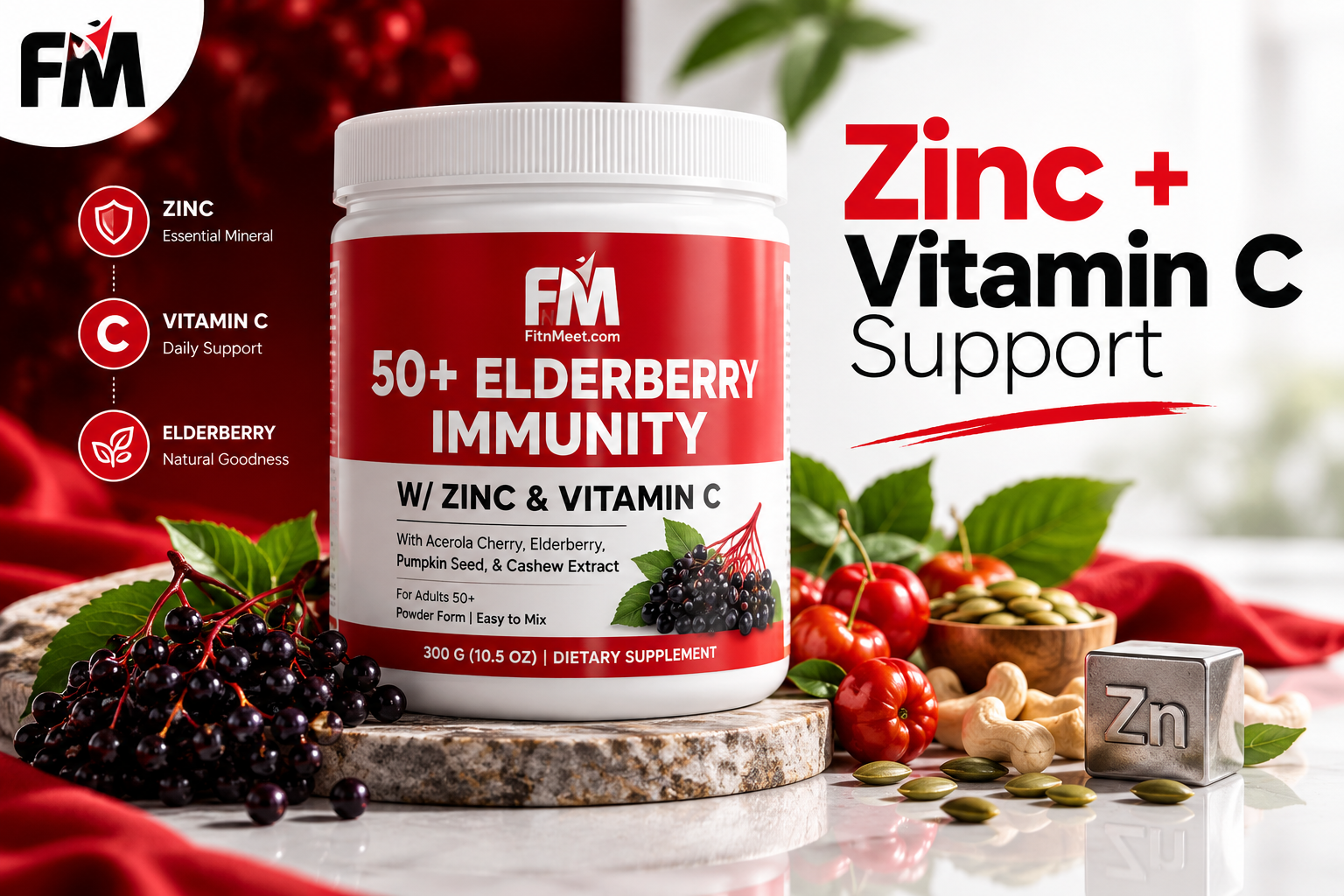
What Is a A balanced zinc-copper product?
Q: Why would anyone combine zinc and copper in one pill?
A: Because zinc, taken alone in high doses, causes copper deficiency. A zinc copper supplement is the fix built into the formula: enough copper to offset what the zinc displaces.
Zinc is an essential mineral involved in immune function, protein and DNA synthesis, wound healing, and the activity of hundreds of enzymes. The NIH Office of Dietary Supplements zinc fact sheet notes the adult RDA is 11 mg for men and 8 mg for women, with a tolerable upper intake of 40 mg per day. Copper is equally essential — needed for iron metabolism, connective tissue formation, energy production, and antioxidant defense via the enzyme superoxide dismutase. Background on the element is on Wikipedia’s copper page.
The problem a zinc copper supplement solves is mineral antagonism. Zinc and copper share absorption pathways in the gut. When zinc intake is high, the intestinal cells produce more metallothionein, a protein that binds copper more tightly than zinc — trapping copper inside gut cells that are then shed into the stool. Net effect: chronic high-dose zinc (typically above 50 mg/day for several weeks) lowers copper status, and copper deficiency causes anemia, low white blood cells, and in severe cases irreversible neurological symptoms.
A zinc copper supplement prevents this by design. Instead of taking zinc alone and hoping diet covers copper, the formula includes 1–2 mg of copper alongside 15–30 mg of zinc — roughly the ratio in which the body uses them. For anyone supplementing zinc longer than a few weeks, a this mineral pair is the more responsible choice than zinc alone. For more detail, see our guide on how to balance zinc and copper intake.
Benefits of a Zinc Copper Supplement
Q: What does a zinc copper supplement actually do for you?
A: It delivers zinc’s benefits — immune support, skin health, wound healing — while the included copper protects against the deficiency that zinc alone can cause.
- Immune support. Zinc is required for the development and function of immune cells; deficiency impairs lymphocyte activity and increases infection susceptibility. A zinc copper supplement maintains adequate zinc status, which matters most for people with low dietary intake (older adults, vegetarians, heavy trainers).
- Skin and wound healing. Zinc supports skin integrity and wound repair; copper is needed for collagen cross-linking. The paired minerals in a zinc copper supplement support both sides of tissue repair.
- Antioxidant defense. Copper-zinc superoxide dismutase (CuZnSOD) is a major antioxidant enzyme — its name tells you it needs both minerals. A this combination supplies both cofactors.
- Protection against induced copper deficiency. This is the unique benefit of the combination format: the copper in a zinc copper supplement offsets zinc-driven copper loss, preventing the anemia and neurological risks of long-term zinc-only use.
- Healthy testosterone and reproductive support. Adequate zinc is associated with normal testosterone levels in deficient men; copper plays roles in energy metabolism that support training. Evidence is supportive, not miraculous — a zinc copper supplement corrects deficiency, it does not supercharge hormones.
How to Use a Zinc Copper Supplement
Q: When and how should I take a the formula?
A: Take it with a meal containing some food (not on an empty stomach), once daily, at a consistent time. Keep iron supplements and certain antibiotics a few hours apart. For food-first mineral strategies, explore the FitnMeet nutrition articles.
Using a zinc copper supplement correctly is straightforward, but a few details matter:
- Dose: choose a product providing 15–30 mg zinc with 1–2 mg copper. This covers the RDA with headroom while staying well under the 40 mg zinc upper limit.
- Timing: with breakfast or dinner. Zinc on an empty stomach commonly causes nausea — the most common complaint with any zinc copper supplement.
- Separation: take iron supplements, calcium-heavy antacids, and certain antibiotics (quinolones, tetracyclines) at least 2 hours apart, since minerals compete for absorption.
- Duration: a zinc copper supplement is suitable for ongoing daily use at RDA-level doses. High-dose zinc (50 mg+) should be short-term and medically supervised.
- Form: zinc picolinate, citrate, and gluconate are all well absorbed; copper is usually present as copper gluconate or oxide. The chelated forms are fine but not mandatory.
Pair your mineral routine with solid overall nutrition. FitnMeet’s vitamins collection and health support collection cover foundational supplements, and our health articles explain how micronutrients fit a training diet. For a deeper look at zinc itself, see our guide to zinc benefits and proper dosage.
Questions People Also Ask
Can I just take zinc without copper?
Short-term and at modest doses (at or near the RDA), zinc alone is generally fine for most people eating a varied diet. The risk appears with higher doses (50 mg+) or long durations (months) — that is when zinc-induced copper deficiency shows up. If you plan to supplement zinc for more than a few weeks, a zinc copper supplement removes the guesswork.
What is the ideal zinc-to-copper ratio?
Most evidence-based guidance and products land at a 10:1 to 15:1 ratio — for example, 15 mg zinc with 1–1.5 mg copper, or 30 mg zinc with 2 mg copper. Ratios far beyond 20:1 (very high zinc, token copper) offer less protection. When choosing a zinc copper supplement, check the label for both numbers, not just the zinc.
What are the signs of copper deficiency from zinc?
Early signs include fatigue, anemia that does not respond to iron, frequent infections (low white cells), and sometimes numbness or tingling in the hands and feet. Because these overlap with many conditions, anyone taking high-dose zinc who develops unexplained anemia should have copper status checked rather than self-diagnosing. Since these overlap with other deficiencies, see our guide to recognizing zinc deficiency symptoms.
Does a zinc copper supplement help with colds?
Zinc lozenges taken within 24 hours of cold symptoms may shorten colds slightly, per some trials — but that is a separate, short-term use. A daily this mineral pair is about maintaining adequate status so the immune system functions normally, not about megadosing at the first sneeze.
Zinc Copper Supplement vs Zinc Alone
| Factor | Zinc copper supplement | Zinc alone |
|---|---|---|
| Copper protection | Built in — offsets zinc-driven copper loss | None — risk rises with dose and duration |
| Best for | Daily use beyond a few weeks | Short-term or RDA-level top-ups |
| Antioxidant enzymes | Supplies both Cu and Zn for CuZnSOD | Zinc only; copper depends on diet |
| Simplicity | One product, balanced ratio | May need separate copper tracking |
| Cost | Slightly higher per bottle | Cheapest per mg of zinc |
The verdict: for short top-ups, zinc alone is fine. For a daily habit — which is how most people use a zinc copper supplement — the combination is the safer, more complete choice. Compare balanced zinc-copper formulas in the FitnMeet shop. For a deeper dive into individual zinc forms, see our zinc picolinate science review.
Safety and Who Should Be Careful
Q: Is a zinc copper supplement safe?
A: Yes at label doses. Zinc’s upper limit is 40 mg/day; copper’s is 10 mg/day. Problems arise from megadosing zinc alone for months — exactly what the combination format is designed to avoid.
- Stay under 40 mg zinc daily from all sources (food + supplements) for long-term use. Chronic excess causes nausea, reduced immune function, and copper deficiency.
- Copper upper limit is 10 mg/day — a this combination provides 1–2 mg, far below it. Copper toxicity from supplements is rare and usually involves much higher doses.
- Medication interactions: zinc reduces absorption of quinolone and tetracycline antibiotics and penicillamine; separate by 2+ hours. Thiazide diuretics increase zinc loss.
- Who should check with a clinician first: pregnant or breastfeeding women, people with kidney disease, anyone already taking a multivitamin with zinc and copper (check total intake), and people with Wilson’s disease (a copper accumulation disorder — extra copper is contraindicated).
- Nausea fix: if a zinc copper supplement upsets your stomach, take it with your largest meal or switch to a lower-zinc formula — never on an empty stomach.
Safety disclaimer: This article is for informational purposes only and is not medical advice. Do not exceed the tolerable upper intake levels (40 mg/day zinc, 10 mg/day copper) without medical supervision. Consult a healthcare professional before starting a zinc copper supplement if you are pregnant, breastfeeding, have kidney disease or Wilson’s disease, or take prescription medications. These statements have not been evaluated by the FDA; this product is not intended to diagnose, treat, cure, or prevent any disease.
What is a zinc copper supplement?
A zinc copper supplement is a mineral formula combining zinc (typically 15 to 30 mg) with a small amount of copper (1 to 2 mg), usually at a 10:1 to 15:1 ratio. The copper offsets zinc’s tendency to block copper absorption, making the combination safer than high-dose zinc alone for daily use.
Why is copper added to zinc supplements?
Copper is added because high-dose zinc induces intestinal metallothionein, which traps copper and blocks its absorption. Over weeks to months, zinc alone can cause copper deficiency, leading to anemia and low white blood cells. The copper in a zinc copper supplement prevents this.
What is the best zinc to copper ratio?
A 10:1 to 15:1 zinc-to-copper ratio is the standard evidence-based range, for example 15 mg zinc with 1 to 1.5 mg copper, or 30 mg zinc with 2 mg copper. Check that the label lists both minerals; very high zinc with token copper offers less protection.
How much zinc copper supplement should I take daily?
Most adults do well with 15 to 30 mg of zinc plus 1 to 2 mg of copper once daily, taken with food. Stay under 40 mg total zinc per day from all sources for long-term use. Higher therapeutic doses should be short-term and medically supervised.
When should I take a zinc copper supplement?
Take a zinc copper supplement with a meal, at the same time each day. Avoid taking it on an empty stomach, which commonly causes nausea. Keep it at least 2 hours apart from iron supplements and quinolone or tetracycline antibiotics.
What happens if I take zinc without copper?
Short-term or at RDA-level doses, zinc without copper is generally fine. The danger is long-term high-dose zinc (50 mg or more daily for months), which can cause copper deficiency with symptoms like fatigue, anemia unresponsive to iron, frequent infections, and nerve tingling.
Who should not take a zinc copper supplement?
People with Wilson’s disease should avoid extra copper. Pregnant or breastfeeding women, people with kidney disease, and those taking antibiotics or diuretics should consult a clinician first. Anyone already taking a multivitamin should check total zinc and copper intake to avoid exceeding upper limits.
Conclusion
A zinc copper supplement is one of those rare products where the formulation itself is the safety feature. Zinc does the heavy lifting for immunity, skin, and repair; the small copper dose quietly prevents the deficiency that high-dose zinc would otherwise cause. Choose a 10:1 to 15:1 ratio, take it with food, stay under 40 mg of zinc daily, and you have a daily mineral habit that is both effective and responsible. As always, supplements support a good diet and training program — they do not replace them.